Trees improves your property, but knowing the signs a tree needs to be removed can save you from potential hazards. Either it’s a dead tree, structural damage, or proximity to buildings and utility lines, recognizing these warning signs early is key. Identifying the signs a tree needs to be removed in time can prevent costly damage and ensure your space remains safe and beautiful
In this blog post we will talk in details about the different reasons and signs a tree needs to be removed. Keep reading to further enhance your knowledge and make informed decisions.
What is Tree Removal?
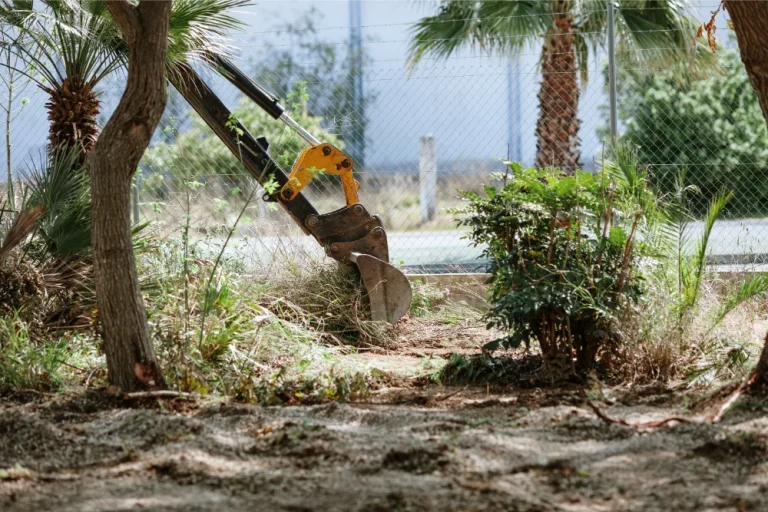
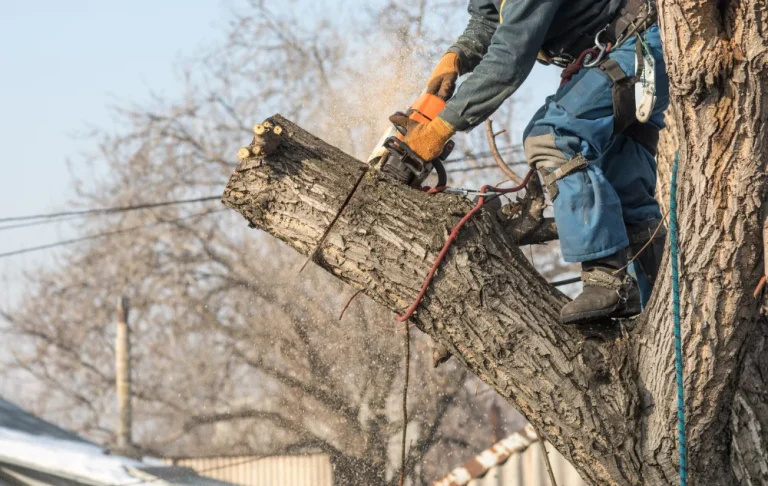
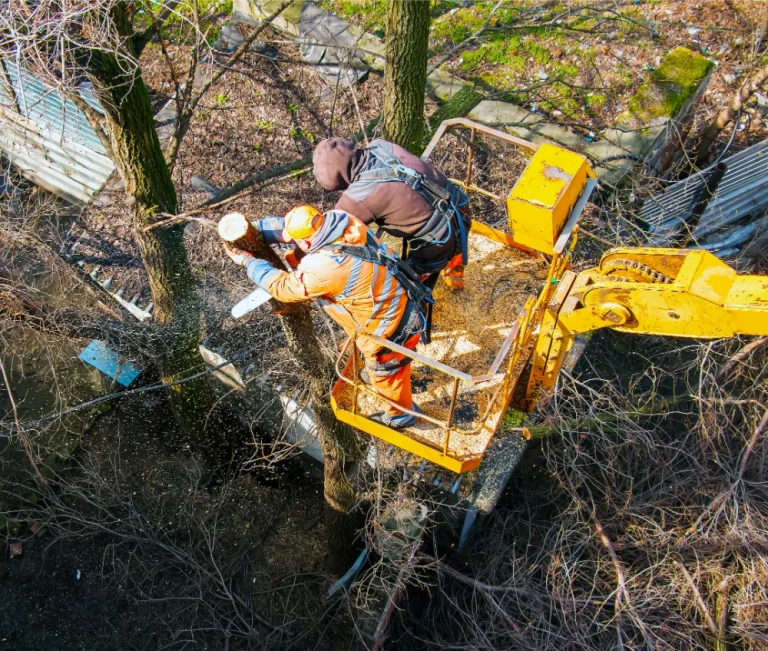
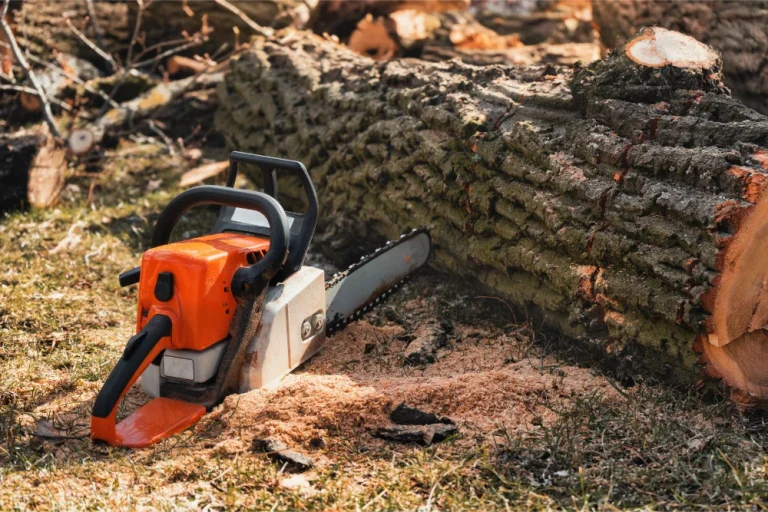
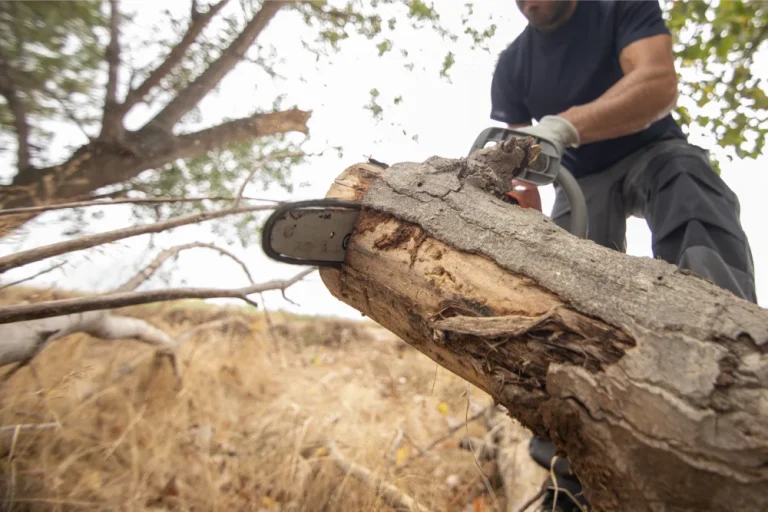
Tree removal is the process of cutting down a tree and removing it from your property, typically done when a tree poses safety risks or obstructs construction. The steps include assessment, planning, cutting, and debris disposal, all handled by professionals who ensure safety with tools like chainsaws and cranes. Whether dealing with a dead tree, safety hazards, or obstructions, tree removal is best left to experts to prevent accidents and leave your property clean.
9 Warning Signs a Tree Needs to be Removed
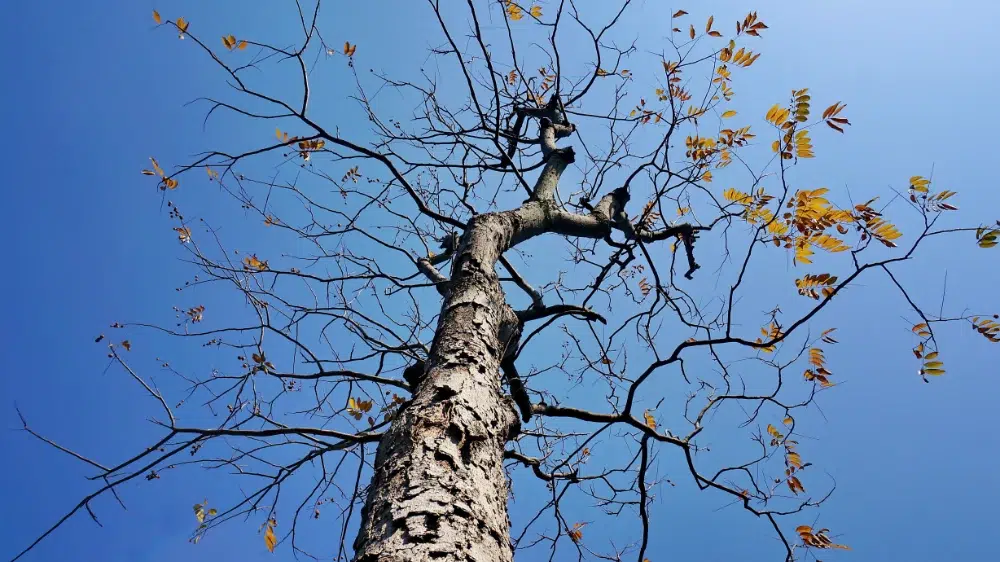
Identifying the warning signs a tree needs to be removed is crucial for safety and property integrity. Watch for dead branches, signs of internal decay, and the presence of fungus. Additionally, leaning trees and root damage can pose significant risks. In the following sections we will learn about the 9 signs a tree needs to be removed.
1. Dead or Dying Branches
Dead or dying branches are common signs a tree needs to be removed, as they can fall unexpectedly and pose a danger to people or property. These branches often lose their leaves or appear dull, and if scratched, reveal brown or gray tissue instead of green. While removing small dead branches can help, extensive damage is a clear sign a tree needs to be removed by a professional.
2. Internal Decay and Fungal Growth
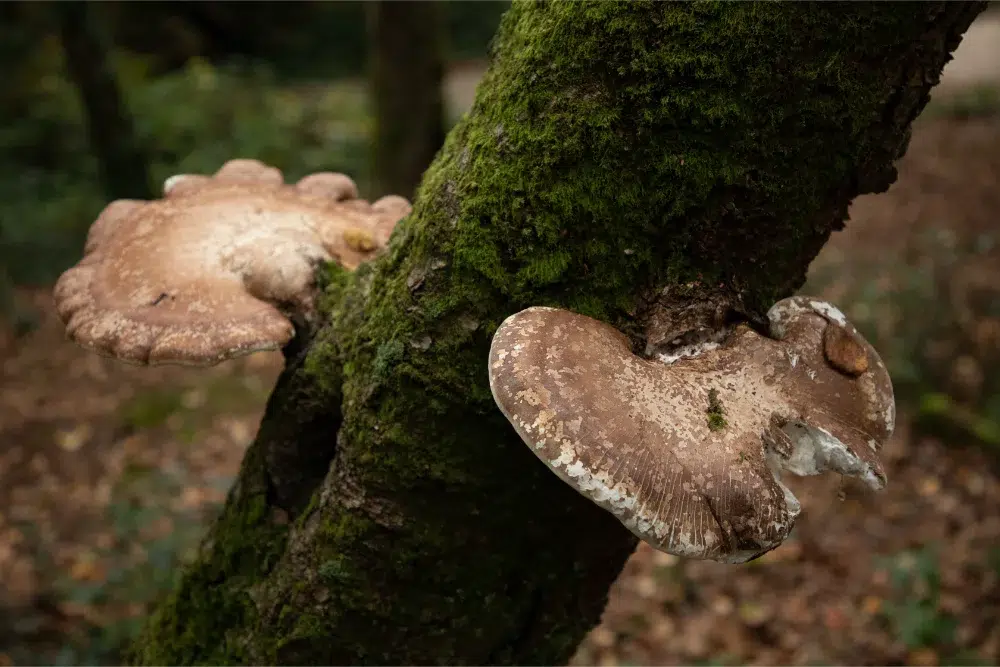
Internal decay often goes unnoticed until it’s advanced. The presence of fungal growth, such as mushrooms or conks at the tree’s base, suggests decay. This weakens the tree from the inside, making it prone to failure and potentially hazardous conditions.
Look for signs like soft or crumbling wood, cavities, or large, discolored areas on the trunk. Although some fungi do not harm trees, many are indicative of underlying issues. Consulting with an arborist can help you evaluate the situation. Prompt attention is crucial to prevent potential damage from falling trees.
3. Leaning Trees and Multiple Trunks
A tree that leans significantly may pose a risk, particularly if the lean is new or worsening. Trees naturally grow upright, and a sudden tilt can indicate root damage or structural instability. Pay attention to trees that lean towards structures, walkways, or high-traffic areas.
Multiple trunks or multiple stems originating from the same point may weaken the main trunk. Known as “co-dominant stems,” these can split apart during storms. Regular inspections and possible bracing or cabling can prevent accidents. However, severe cases require expert assessment to determine if removal is necessary.
4. The Tree is in a Hazardous Location
A tree’s location can often be one of the signs a tree needs to be removed, especially if it’s too close to homes, buildings, or vital infrastructure. Roots can infiltrate septic systems, and overhanging branches may cause water damage or pose a falling risk. If these threats are present, proactive removal is a smart decision to avoid costly damage and maintain safety.
Don’t Wait Until It’s Too Late
Think your tree might be at risk? Schedule a professional assessment in Ottawa today and ensure your property stays safe!
5. Root Damage and Soil Heaving
Root damage and soil heaving are significant signs a tree needs to be removed, as they compromise the tree’s stability and health. Visible roots, damaged sidewalks, or shifting soil indicate root upheaval or decay, which can lead to collapse. If root damage is extensive, removal becomes necessary to ensure the safety of your property.
6. The Tree is Hollow
While hollow trees might look fascinating, they often present significant hazards. Hollow trunks lack the strength to support the tree, especially in high winds or storms. This increases the risk of the tree snapping and falling over.
Determine the extent of the hollowness by gently tapping the trunk and listening for a hollow sound. Engage a certified arborist to conduct a full assessment and to advise on the tree’s stability. Safety should be the priority, and removal might be necessary.
7. The Tree Has Insect Damage
Pest infestations are another critical concern. Signs include peeling bark, holes, or tunnels caused by boring insects. Increased bird activity around a tree can indicate the presence of these pests. Damage from pests not only affects the appearance of a tree but also its structural integrity. Look for larvae or other indications of insects to assess the severity.
Early detection of pests can sometimes allow for treatment, though severe infestations might necessitate tree removal to prevent further spread to other trees.
For more details on pest infestations, see signs of pest problem.
8. The Tree is Invasive
Invasive tree species can disrupt local ecosystems, taking resources and space away from native plants. These trees often spread quickly, potentially affecting your entire landscape. Characteristics include rapid growth, dense canopies, or spreading root systems that crowd out other vegetation.
Managing invasive species is crucial for maintaining local biodiversity and reducing maintenance headaches. In many cases, complete removal and replacement with native species are recommended to restore balance to your garden.
9. Trees Growing Near Power Lines
Trees in proximity to power lines pose serious safety threats. During storms, large branches or whole trees can fall onto lines, causing outages or even fires. Regular trimming can mitigate some risks, but persistent interference with power infrastructure often necessitates removal.
Contact local utility companies if you notice limbs close to or touching power lines, as they often handle it. Maintaining a safe clearance distance ensures reliability and safety for both the property and the community.

Impact of Environmental Factors
Environmental elements can significantly affect trees, sometimes signaling the need to remove them. Storms can leave trees weakened, posing safety risks, while their location and condition can alter property aesthetics and value.
Storm Damage to Trees
Severe storms can cause significant harm to trees. High winds and lightning may break branches or uproot trees, leading to safety hazards. It’s essential to inspect trees after storms for hanging branches or cracks in the trunk.
Trees with extensive storm damage are often structurally compromised and may need removal. A professional arborist can help you assess the damage and determine the safest course of action. Proper assessment prevents potential risks from falling branches or unstable trees.
Effect of Trees on Property and Aesthetics
Trees can greatly improve your property’s aesthetic appeal and value. However, trees close to homes or power lines might need removal due to safety concerns. Overgrown trees can obscure views and reduce natural light, impacting your home’s ambiance.
Unkempt trees may detract from your property’s visual appeal and obstruct important features. Removing or trimming such trees can enhance both safety and visual appeal. Carefully considered tree management maintains balance between safety and aesthetics.
Preventative Measures and Ongoing Tree Care
Proper tree care involves regular inspections, consistent maintenance, and understanding when to seek professional help. Taking proactive measures can enhance tree health and extend their lifespan.
Routine Tree Inspections
Regular inspections are vital in identifying early signs of disease or decay in your trees. Check for dead branches, peeling bark, or fungal growth that might indicate underlying issues. Consistently examine the root system and trunk for signs of stress or damage.
Using a checklist to document any observed changes can be beneficial and help you track patterns or deteriorations. Integrating these inspections into your seasonal routine ensures trees remain healthy and potential hazards are minimized.
Tree Care and Maintenance
Proper tree care is essential to keep your landscape healthy and vibrant. These practices ensure your trees grow strong and are protected against potential diseases.
By following these simple steps, you can maintain the health of your trees and boost their resistance to diseases. Proper care ensures a thriving and beautiful landscape
Benefits of Tree Removal
Tree removal offers several advantages, especially when recognizing the signs a tree needs to be removed for the safety and health of your property. When done professionally, it helps prevent damage and enhances your landscape.
Here are the different benefits of tree removal :
Tree removal, when necessary, can bring significant benefits to your property, ensuring safety and a more appealing landscape. Consulting a professional ensures that the job is done safely and effectively.
When to Call a Certified Arborist
Certain situations require the expertise of a certified arborist. If you notice extensive decay, significant structural damage, or pest infestations, it’s time to seek professional advice.
Arborists can provide a comprehensive assessment and recommend whether a tree should be treated or removed. They have specialized knowledge and tools to address complex tree health issues. Relying on their expertise ensures safety and effective problem resolution.
Frequently Asked Questions
Understanding when a tree might need to be removed is crucial. Several signs like structural instability, disease, and proximity to buildings can indicate removal is necessary.
What are the indicators that a tree poses a danger and may need to be removed?
Signs such as extensive fungal growth at the base, major branches dying, or significant cracks in the trunk can show that a tree is hazardous. Mushrooms or fungal conks suggest internal decay, compromising the stability of the tree.
What factors determine the responsibility for dead tree removal?
Responsibility for removing a dead tree often depends on property ownership and local regulations. Typically, if a tree is entirely on your property, you are responsible for its removal. It’s advisable to check with local authorities for specific guidelines.
How can you tell if a tree is at risk of uprooting?
Signs of potential uprooting include exposed roots, tilting, or cracks in the soil around the base of the tree. These indicators suggest that the tree might not be securely anchored, posing a risk of falling.
When is it necessary to cut down a tree due to proximity to a structure?
A tree should be removed if its roots or branches are likely to damage a building. This can include cases where the tree is growing too close to a foundation or if branches are overhanging a roof.
What are the common reasons for the removal of a tree from a property?
Common reasons include disease or pest infestation, irreparable damage, or the tree being an invasive species. Trees that threaten safety, interfere with construction, or cause significant damage to property are candidates for removal.
How does one assess whether a tree can recover from damage or should be removed?
Consulting with a professional arborist can help determine if a tree can recover. They will look at factors like the extent of damage, overall tree health, and potential hazards. If recovery is unlikely, removal might be the safest option.
Conclusion
Recognizing the signs a tree needs to be removed is essential for maintaining safety and enhancing the beauty of your property. From decay and disease to structural damage, these warning signs signal the need for expert intervention. If you’re noticing any of these signs a tree needs to be removed, don’t wait, contact our professional tree service today to ensure your landscape stays safe and beautiful.
Don’t Wait Until It’s Too Late
Think your tree might be at risk? Schedule a professional assessment in Ottawa today and ensure your property stays safe!