


Land clearing is often the first step in preparing a property for construction, landscaping, agriculture, or other development projects. Depending on the size of the site, the type of vegetation, and the condition of the terrain, different land clearing methods may be more suitable than others. From manual removal and mechanical equipment to forestry mulching and chemical treatments, each technique comes with its own advantages and limitations. In this guide, we’ll explore five common land clearing techniques to help you understand which approach may be right for your property.
What Is Land Clearing?
Before choosing between different land clearing methods, it helps to understand what the process involves and what you want to accomplish with the property.
Land clearing involves removing vegetation, trees, brush, and other obstacles from a piece of land to prepare it for a specific use. Depending on the project, this may include removing stumps, roots, rocks, and other debris that could interfere with construction, landscaping, or agricultural work.
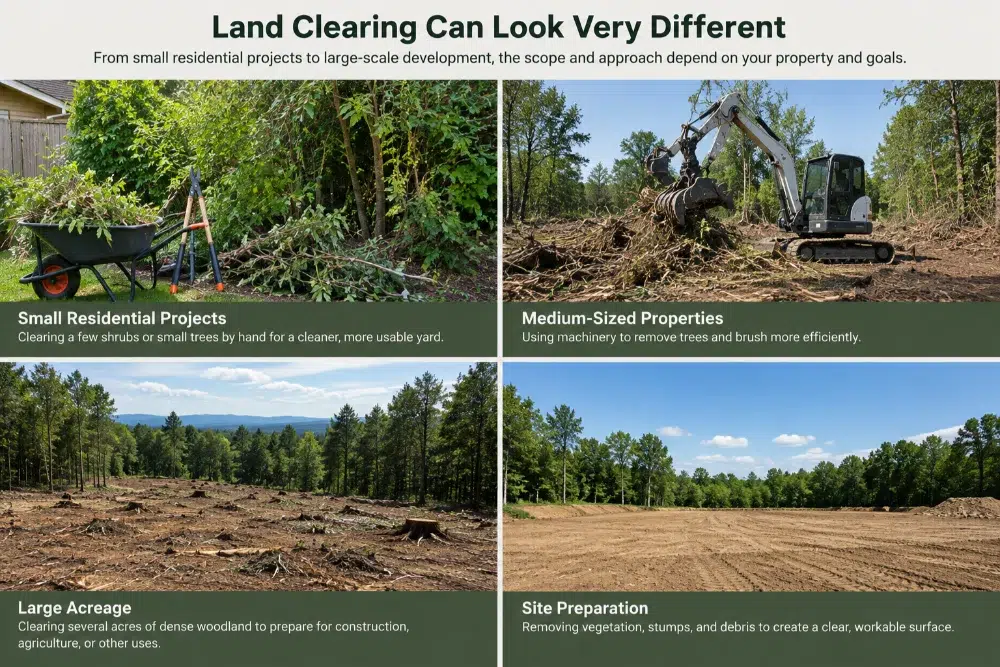
5 Common Land Clearing Methods
Land clearing can be completed using several approaches, each with different equipment, applications, and environmental considerations. The following methods of land clearing cover common options for residential properties, larger acreage, and development projects.
1. Manual Land Clearing
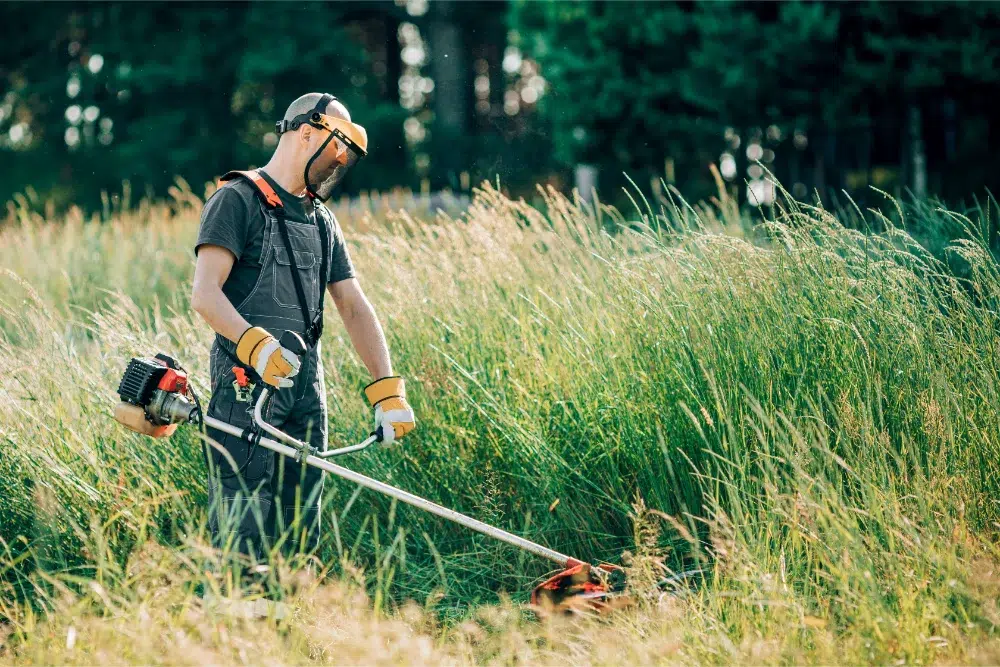
Manual clearing involves removing vegetation by hand or using small, handheld tools rather than heavy machinery. This approach provides greater control over which plants and trees are removed, making it useful when working around existing structures, desirable vegetation, or sensitive areas.
Common equipment includes:
When Is Manual Clearing Appropriate?
Manual land clearing is generally best suited to small properties, limited clearing projects, and areas that are difficult for machinery to access. For example, a homeowner may use manual methods to clear overgrown vegetation from a backyard, create a narrow walking path, or remove a few unwanted shrubs.
It can also be useful on sloped or environmentally sensitive terrain where bringing in heavy equipment could disturb the soil or damage nearby vegetation.
Advantages
Disadvantages
Takeaway: Manual clearing can be a practical choice when the project is small and precision matters more than speed. However, larger areas may require equipment-based methods to complete the work efficiently.
2. Mechanical Land Clearing
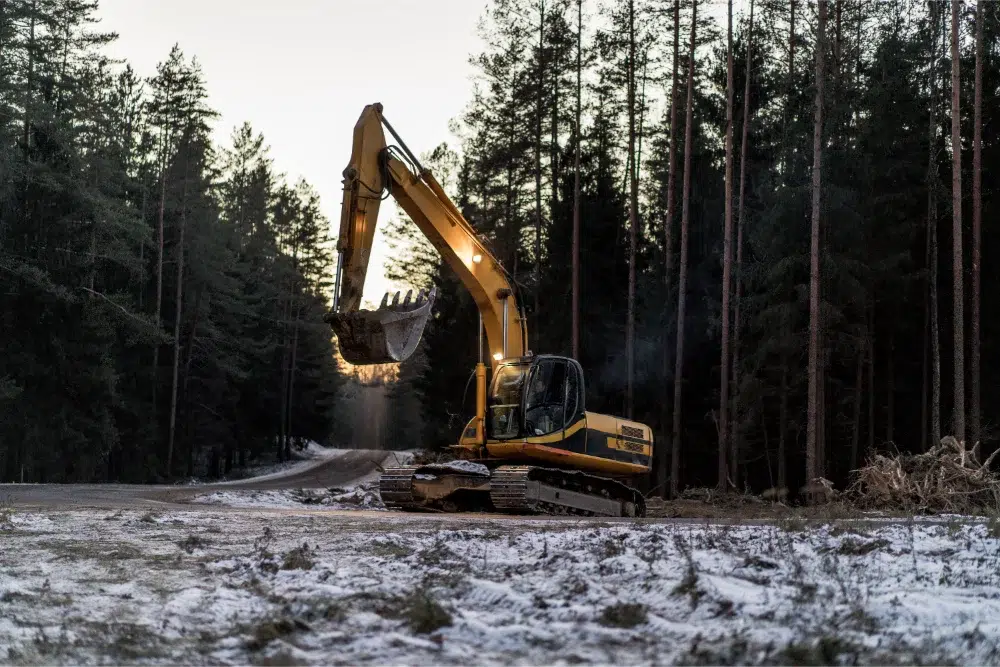
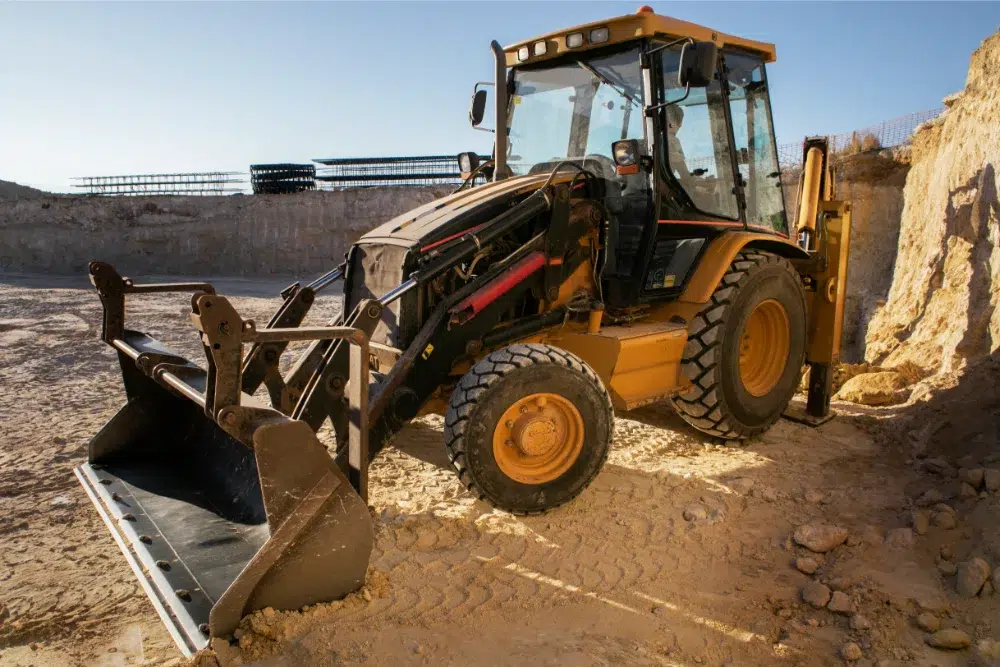
Mechanical land clearing uses specialized machinery to remove vegetation, trees, brush, and other obstacles. Compared with manual clearing, mechanical methods can cover larger areas more quickly, although the equipment required depends on the terrain and the type of vegetation.
Common equipment includes:
When Is Mechanical Clearing Appropriate?
Mechanical clearing is often suitable for medium-sized and larger properties with substantial vegetation or debris. It can be used to prepare land for construction, expand access roads, clear overgrown lots, or remove vegetation across larger open areas.
However, machinery is not appropriate for every site. Steep slopes, wet ground, narrow access points, and sensitive root zones may limit which equipment can be used. Heavy machinery can also compact soil or disturb the ground if the work is not properly planned.
Advantages
Disadvantages
Takeaway: The term mechanical clearing covers several different techniques rather than one specific process. The right equipment depends on whether the project primarily involves cutting vegetation, removing roots, moving debris, or preparing the ground for development.
Not Sure Which Land Clearing Method You Need?
Every property has different clearing requirements. SpinBlade can assess your land, evaluate the vegetation and terrain, and recommend an approach that fits your project.
3. Forestry Mulching
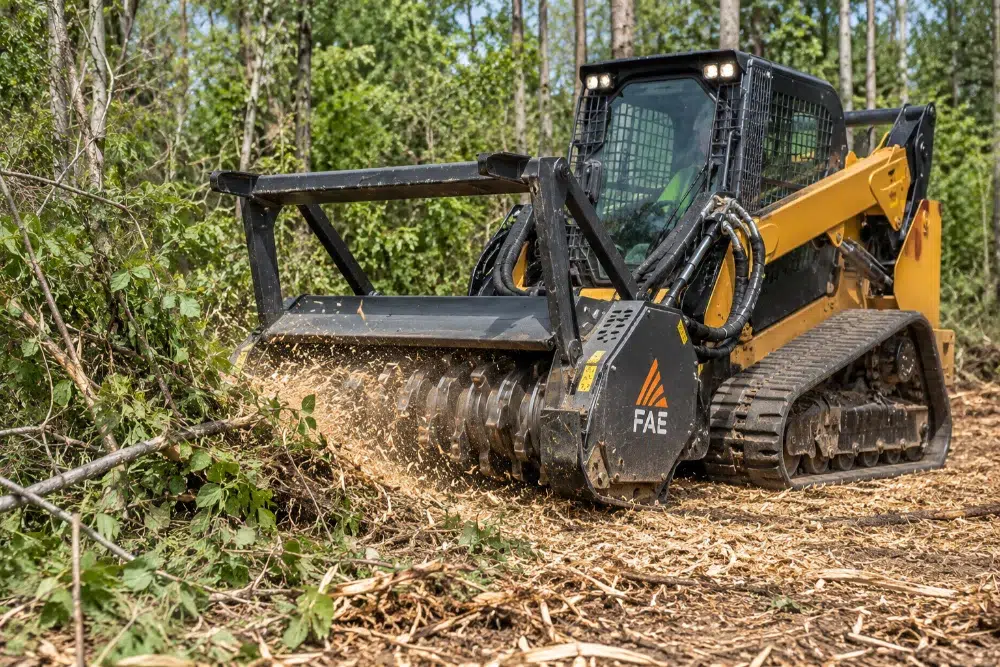
Forestry mulching is a land clearing technique that uses specialized machinery to cut, shred, and process trees, brush, and other vegetation into mulch. Instead of removing all the material from the property, the machine typically leaves the processed organic matter on the ground.
A forestry mulcher is usually mounted on equipment such as a skid steer, excavator, or dedicated forestry machine. Its rotating cutting head breaks down vegetation as the machine moves across the site.
When Is Forestry Mulching Appropriate?
Forestry mulching can be useful for overgrown lots, woodland maintenance, trail creation, and properties where vegetation needs to be cleared without hauling away large amounts of debris.
It’s particularly suited to projects where the goal is to manage unwanted vegetation and improve access rather than completely excavate the site. However, forestry mulching does not necessarily remove tree roots, stumps, or all underground obstacles.
Advantages
Disadvantages
Forestry mulching can be an efficient way to manage vegetation, but it’s important to understand what the process does—and does not—remove. If a project requires excavation, grading, or complete root removal, another clearing method may be necessary.
4. Dozing and Grubbing
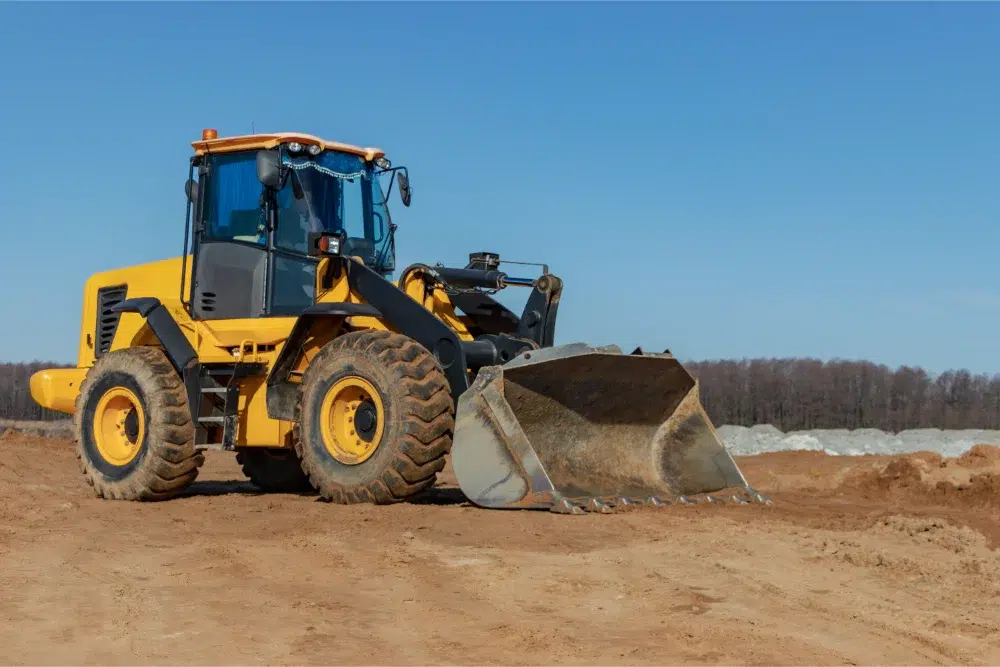
Dozing and grubbing involves using heavy machinery to remove vegetation, stumps, roots, and other material from the ground. Unlike methods that primarily cut or process above-ground growth, this approach can involve more extensive ground disturbance and site preparation.
Dozing typically uses a bulldozer or similar machine to push vegetation, debris, and sometimes surface soil. Grubbing involves removing roots, stumps, and embedded vegetation using equipment such as excavators, root rakes, or specialized attachments.
When Is Dozing and Grubbing Appropriate?
This method is often used for large-scale land clearing, construction preparation, road development, and projects that require extensive vegetation and root removal. It can be useful when simply cutting down trees is not enough to prepare the ground for the next stage of development.
For example, a construction site may require stumps and root systems to be removed so that the area can be graded, excavated, or used for foundations. The exact equipment and process depend on soil conditions, vegetation density, and the intended use of the land.
Advantages
Disadvantages
Dozing and grubbing may be appropriate when a project requires substantial ground preparation, but it is not always necessary for basic vegetation management. Removing more soil and root material than needed can increase disturbance and create additional work during site restoration.
5. Chemical Clearing
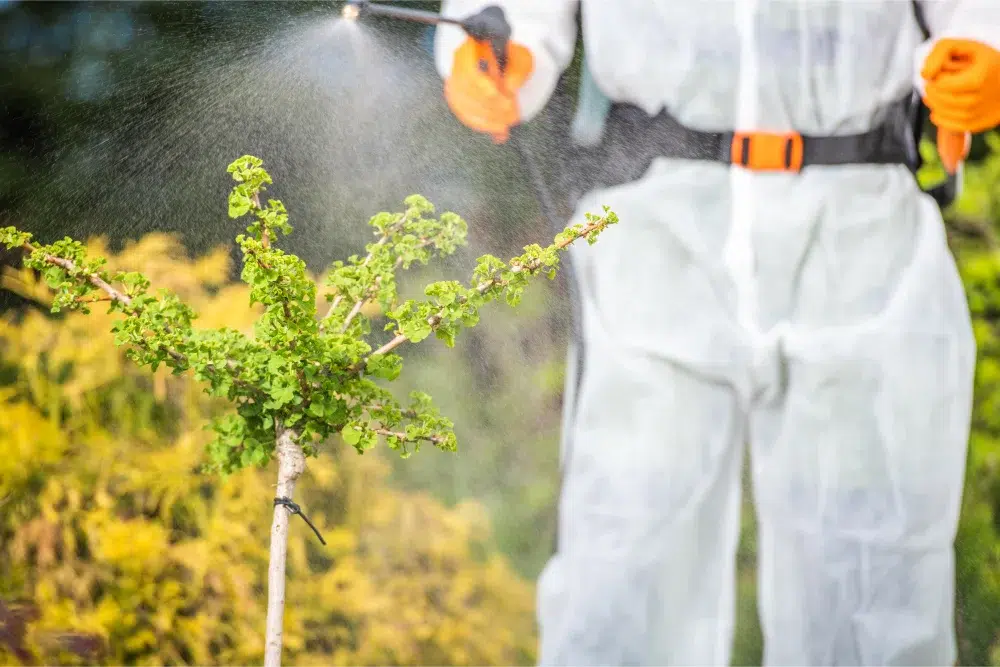
Chemical clearing uses herbicides to control or eliminate unwanted vegetation. Rather than physically cutting or removing plants, this method targets vegetation through carefully selected chemical treatments.
Chemical clearing is generally used as part of vegetation management rather than as a standalone solution for preparing an entire property. Its suitability depends on the type of plants present, the size of the area, environmental conditions, and applicable regulations.
When Is Chemical Clearing Appropriate?
Chemical treatments may be considered for controlling invasive plants, managing persistent regrowth, or treating vegetation in areas where mechanical removal is difficult. They may also be used alongside other land clearing methods to reduce the likelihood of unwanted plants returning.
However, chemical clearing requires careful planning. Herbicides can affect desirable plants, nearby water sources, soil organisms, and wildlife if used improperly. Treatment should be selected and applied by someone familiar with the product’s requirements, environmental risks, and applicable regulations.
Advantages
Disadvantages
Chemical treatments are not a universal replacement for physical clearing. When used, they should be part of a site-specific vegetation management plan, particularly where sensitive terrain, water sources, or desirable plants are present.
How to Choose the Right Land Clearing Method
The right land clearing method depends on your property’s size, terrain, vegetation, and intended use.
The following comparison can help you identify which approaches may be suitable for different situations.
| Property or Project | Suitable Methods | Key Considerations |
|---|---|---|
| Small residential lot | Manual clearing, compact machinery | Better control around homes, fences, and gardens |
| Medium-sized property | Mechanical clearing, forestry mulching | Efficient for removing dense brush and unwanted trees |
| Large wooded acreage | Mechanical clearing, forestry mulching, dozing and grubbing | Equipment access, clearing scale, and debris management |
| Construction site preparation | Dozing and grubbing, mechanical clearing | May require stump, root, and debris removal |
| Sloped or sensitive terrain | Manual clearing, carefully selected mechanical methods | Minimize soil disturbance and erosion risks |
| Invasive vegetation management | Manual clearing, chemical treatments, or a combination | Consider regrowth, surrounding plants, and environmental restrictions |
Small Residential Lots vs. Large Acreage
A small residential lot may only require manual clearing or compact equipment, particularly when the project involves removing a few shrubs, small trees, or overgrown vegetation. These methods can provide more control around homes, fences, gardens, and other existing features.
Larger properties with dense woodland may benefit from mechanical clearing, forestry mulching, or dozing and grubbing. The best choice depends on whether the goal is to manage vegetation, create access, remove root systems, or prepare the land for development.
Sensitive terrain also requires special consideration. On steep slopes, near waterways, or in areas with erosion concerns, minimizing soil disturbance may be more important than clearing the land as quickly as possible.
When to Hire a Land Clearing Professional
Land clearing can involve heavy machinery, falling trees, unstable terrain, and underground obstacles. A professional assessment can help determine which approach is appropriate before work begins.
Professional assistance may be particularly useful when:
Our land clearing services can evaluate the site, identify potential hazards, and recommend a clearing method that aligns with the project’s goals.
How Much Does Land Clearing Cost?
Land clearing costs vary depending on the property size, vegetation density, equipment required, site accessibility, and whether debris or stumps need to be removed.
Manual clearing may involve more labour, while larger mechanical projects can involve equipment rental, operators, transportation, and disposal expenses. Additional work such as grading, stump removal, and site restoration can also increase the overall cost.
Read our guide to land clearing costs to learn more about the factors that may influence your project budget.
Need to Clear Overgrown Land?
SpinBlade provides professional land clearing services to remove vegetation, improve site access, and prepare your property for its next use.
Frequently Asked Questions
Still scratching your head? Here are quick answers to some of the most common questions people have.
In Short,
The main land clearing methods range from manual removal and mechanical clearing to forestry mulching, dozing and grubbing, and chemical treatments. Each technique has different applications, equipment requirements, and potential drawbacks. The right choice depends on the size of the property, the vegetation present, the condition of the terrain, and what you need the land to look like when the work is finished. By considering these factors before starting, you can choose a clearing approach that supports your project’s goals while limiting unnecessary costs and environmental disturbance.


