


Clearing overgrown land can involve heavy machinery, extensive labour, and significant soil disturbance, depending on the method used. Forestry mulching offers an alternative by using specialized equipment to cut and grind trees, brush, and other vegetation directly on-site. Unlike traditional land clearing, which often involves multiple machines and hauling debris away, this approach processes vegetation into mulch that remains on the ground. In this guide, we’ll explain how forestry mulching works and compare its costs, efficiency, and environmental impact with traditional clearing methods.
What Is Forestry Mulching?
Forestry mulching is a land clearing technique that uses specialized machinery to cut, grind, and shred trees, brush, and other vegetation into mulch. Instead of removing the debris from the property, the machine processes it on-site and spreads the material across the ground.
This approach can clear overgrown areas without requiring separate equipment to collect and haul away most of the vegetation. It also generally causes less soil disturbance than traditional clearing methods that involve extensive excavation or pushing vegetation out of the way.
How Does Forestry Mulching Work?
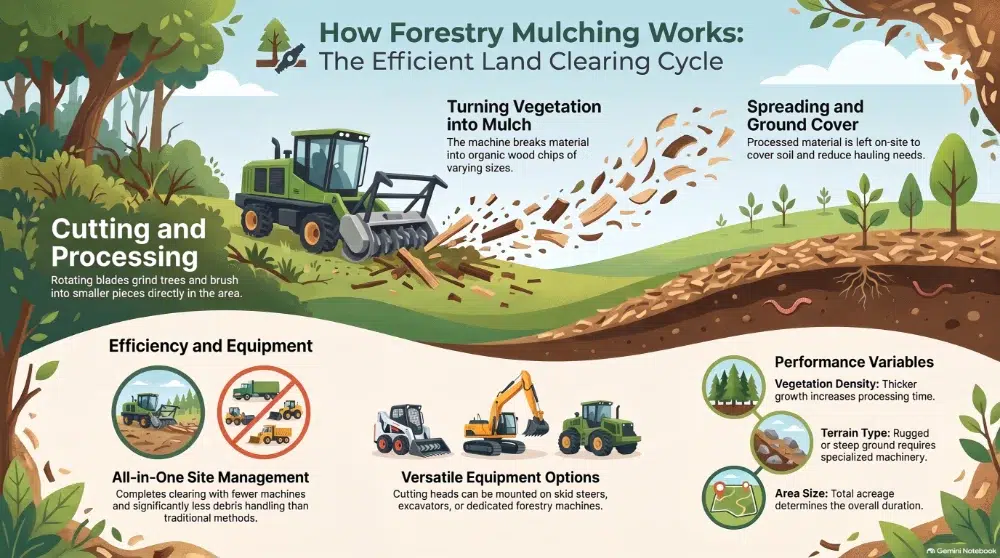
Forestry mulching uses a specialized cutting head equipped with rotating teeth or blades to break down vegetation directly on the property. The equipment can be mounted on a skid steer, excavator, or dedicated forestry machine, depending on the terrain and the size of the project.
The process generally involves three steps:
1. Cutting and processing vegetation
The machine moves through the area, cutting and grinding trees, brush, and smaller vegetation with its rotating mulching head.
2. Turning vegetation into mulch
The cutting head breaks the vegetation into smaller wood chips and organic material. The size of the resulting mulch depends on the equipment and vegetation being processed.
3. Spreading mulch over the ground
The processed material is left on-site, creating a layer of organic mulch. This can help cover exposed soil and reduce the need to haul away vegetation.
Because the vegetation is processed in place, forestry mulching can often complete clearing projects with fewer machines and less debris handling than traditional methods. However, the amount of time required still depends on the density of the vegetation, the terrain, and the size of the area.
Benefits of Forestry Mulching
Forestry mulching offers several advantages for property owners looking to clear unwanted vegetation while minimizing the amount of ground disturbance. Its main benefits include:
Although forestry mulching can reduce soil disturbance and simplify debris management, it isn’t suitable for every project. Sites that require stump removal, excavation, or extensive grading may still need traditional mechanical clearing.
Need Professional Forestry Mulching?
SpinBlade provides forestry mulching services to remove unwanted vegetation, improve property access, and manage overgrown areas while minimizing soil disturbance.
Forestry Mulching vs. Traditional Land Clearing
Although both methods remove unwanted vegetation, forestry mulching and traditional mechanical clearing use different equipment and produce different results.
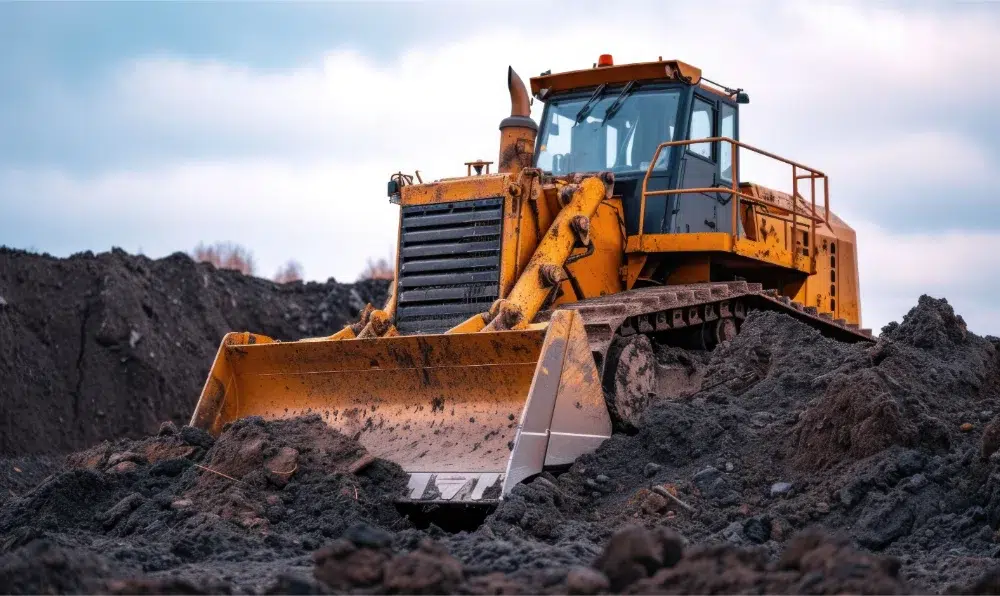
Traditional land clearing often involves multiple machines, such as excavators and bulldozers, to cut down trees, uproot stumps, move debris, and prepare the ground. Forestry mulching, on the other hand, focuses on processing vegetation into mulch while leaving much of the soil and root system undisturbed.
The main differences become clearer when comparing their equipment, costs, efficiency, and environmental impact.
1. Equipment and Clearing Process
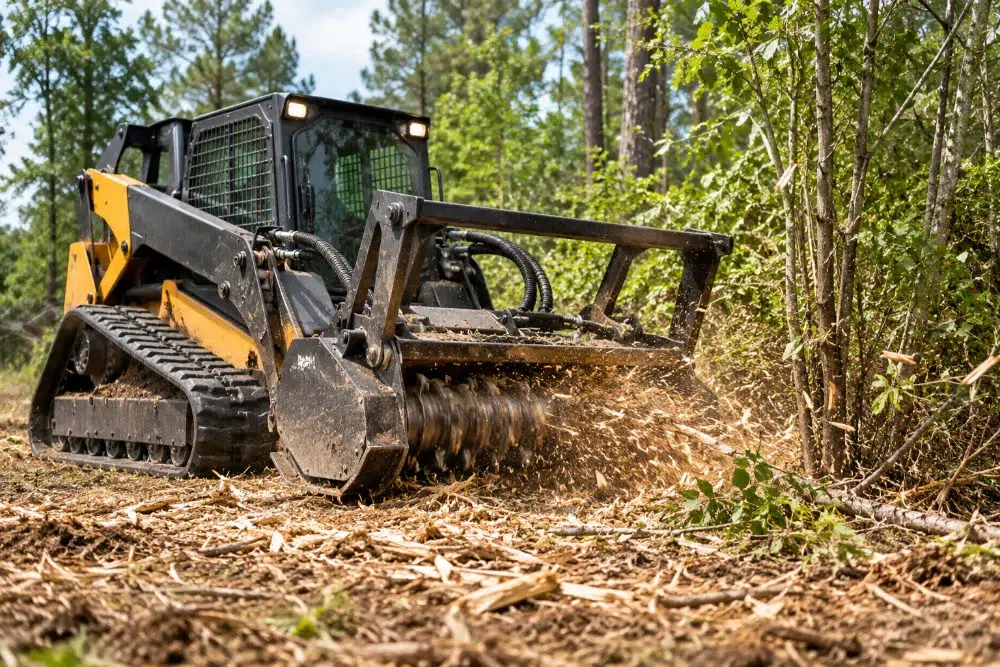
One of the main differences between these methods is the equipment required to clear and process vegetation.
Key difference: Forestry mulching combines cutting and processing into one operation, while traditional clearing may require several stages and different types of machinery.
2. Cost
The cost of forestry mulching compared with traditional land clearing depends on the property, vegetation, equipment, and amount of work required.
Note: However, forestry mulching isn’t always the cheaper option. Dense vegetation, large trees, difficult terrain, or the need for additional excavation and grading can affect the total cost of either method.
3. Speed and Efficiency
The speed of either method depends on the density and size of the vegetation, site accessibility, terrain, and the desired result.
Takeaway: A project that only requires vegetation removal may be completed more efficiently with mulching, while a construction site requiring extensive excavation may need traditional clearing.
4. Soil Disturbance and Environmental Impact
The way each method affects the ground is another important consideration, especially on properties where soil preservation and erosion control matter.
Neither method is impact-free. The environmental effects depend on the equipment used, site conditions, the amount of vegetation removed, and how the cleared land will be managed afterward.
Choosing the Right Land Clearing Approach
The best land clearing method depends on the property’s conditions, the type of vegetation, and how the land will be used afterward. Forestry mulching, traditional mechanical clearing, and a combination of both offer different advantages depending on whether the project requires vegetation removal, stump removal, or more extensive site preparation.
When Is Forestry Mulching the Better Choice?
Forestry mulching is particularly useful when the goal is to clear unwanted vegetation without completely removing roots or disturbing the soil. It can be a practical option for several types of land management projects.
Forestry mulching is generally most suitable when the project requires vegetation removal rather than complete ground preparation. It’s less appropriate when the site needs extensive excavation, root removal, or a smooth surface for construction.
When Is Traditional Land Clearing the Better Choice?
Traditional mechanical clearing may be more suitable when a project requires more extensive removal of vegetation and below-ground material. It can also be necessary when the land needs to be prepared for construction or major development.
Consider traditional clearing when:
For larger development projects, commercial land clearing may involve a combination of equipment and techniques to prepare the site for its intended use.
Can Forestry Mulching and Mechanical Clearing Be Combined?
Yes. Combining forestry mulching with selective mechanical clearing can be useful for projects that require stump removal but also aim to minimize soil disturbance. A forestry mulcher can process brush and smaller trees, while an excavator can remove stumps and roots in areas where they’re needed.
This approach can reduce the amount of excavation and heavy machinery required across the property. However, it won’t eliminate soil disturbance entirely, and the benefits depend on the terrain, soil conditions, and extent of stump removal.
This is particularly useful for projects that need more than vegetation management but don’t require complete excavation across the entire site.
Find the Right Land Clearing Solution
Every property has different clearing requirements. Whether you need to remove dense brush, clear trees, or prepare land for construction, SpinBlade can help you determine the right approach for your project.
Frequently Asked Questions
Still scratching your head? Here are quick answers to some of the most common questions people have.
In Short,
Forestry mulching offers a way to clear vegetation while processing organic material directly on-site. Compared with traditional mechanical clearing, it can reduce the number of machines and hauling steps involved while generally causing less soil disturbance.
However, traditional clearing remains useful for projects that require stump removal, excavation, grading, or extensive site preparation. The right method depends on the property’s conditions and what you need the land to be ready for. Assessing those requirements before work begins can help you choose an appropriate clearing approach and avoid unnecessary costs.


