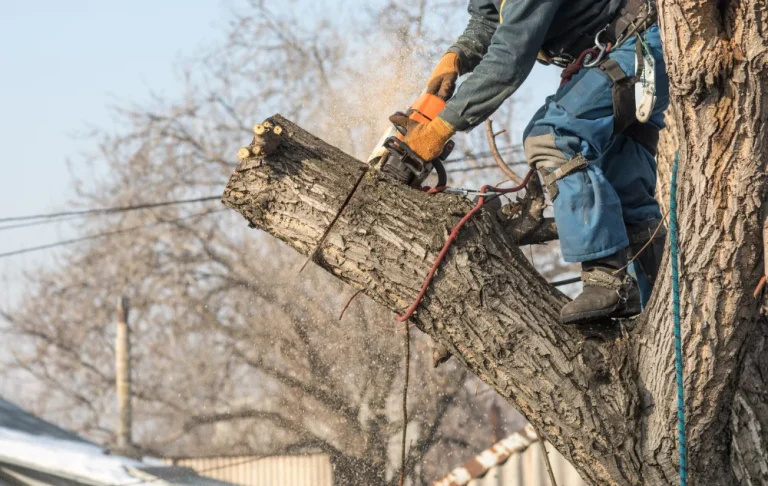
Tree removal for landscaping isn’t a separate step you cross off before the real work starts, it’s part of the project itself. When planned properly, tree removal for landscaping and the redesign that follows it are one coordinated decision, not two separate jobs. Cole Horton, SpinBlade’s founder and Certified Utility Arborist, puts it simply: tree removal landscaping done right starts with the design, not the tree. Getting the sequence right, knowing which trees go and which stay, and understanding what happens to the ground once a tree comes out is what separates a finished yard from a half-done one.
This guide walks through the full process of tree removal for landscaping: the landscape planning decisions that drive the removal, the removal itself, and how to landscape the cleared space so the end result looks intentional. For a garden renovation, a yard redesign, or a full outdoor overhaul, the sequencing is what makes it work.
Start With the Landscaping Plan, Not the Tree
The most common mistake in a landscape planning project that involves trees is starting with the tree instead of the design. A certified arborist who has assessed a yard can tell you which trees are healthy and which aren’t, but a healthy tree’s staying or going is a yard redesign call, not an arborist call.
Make the design decisions first. Once you know what the finished yard is supposed to look like, it becomes clear which trees fit into that vision and which ones are in the way of the garden renovation.
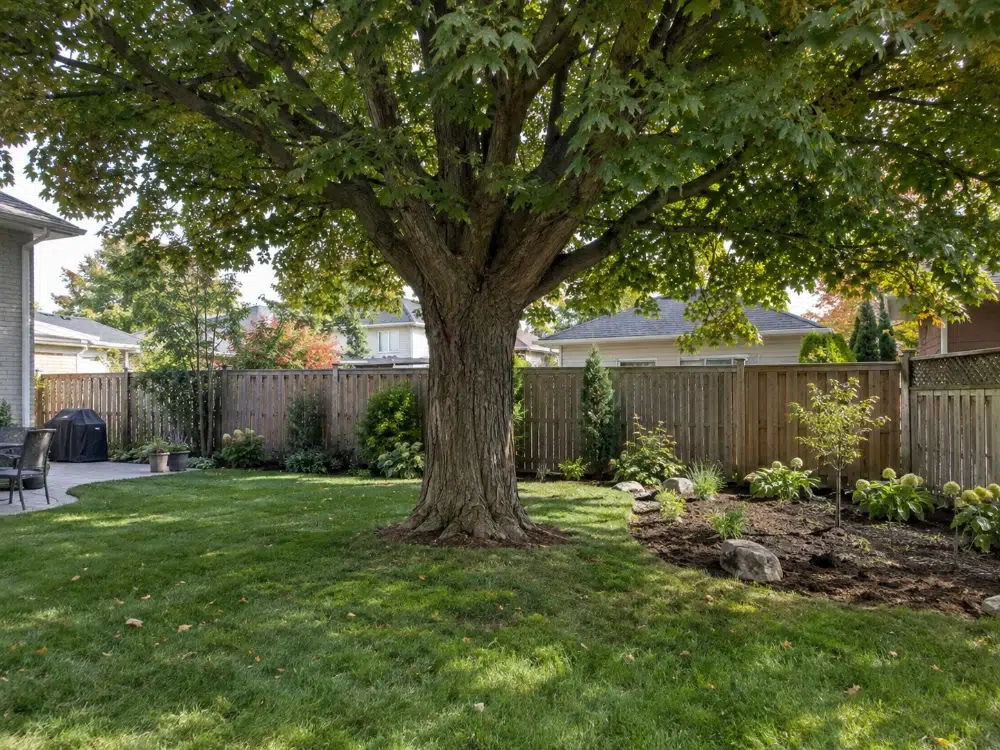
Which Trees Stay and Which Go: Based on the Design
Start by mapping what you actually want the space to do. A tree that shades the area where you’re planning a sun garden, blocks sunlight for new beds, conflicts with a new patio, or sits in the path of a planned walkway is in the way regardless of its health. This is where tree removal for landscaping starts, with the design, not the tree.
At the same time, a mature tree with a good canopy in the right spot is often the most valuable thing on the property. Designing around it adds character that new plantings take decades to replicate.
Ask these questions about every tree before deciding:
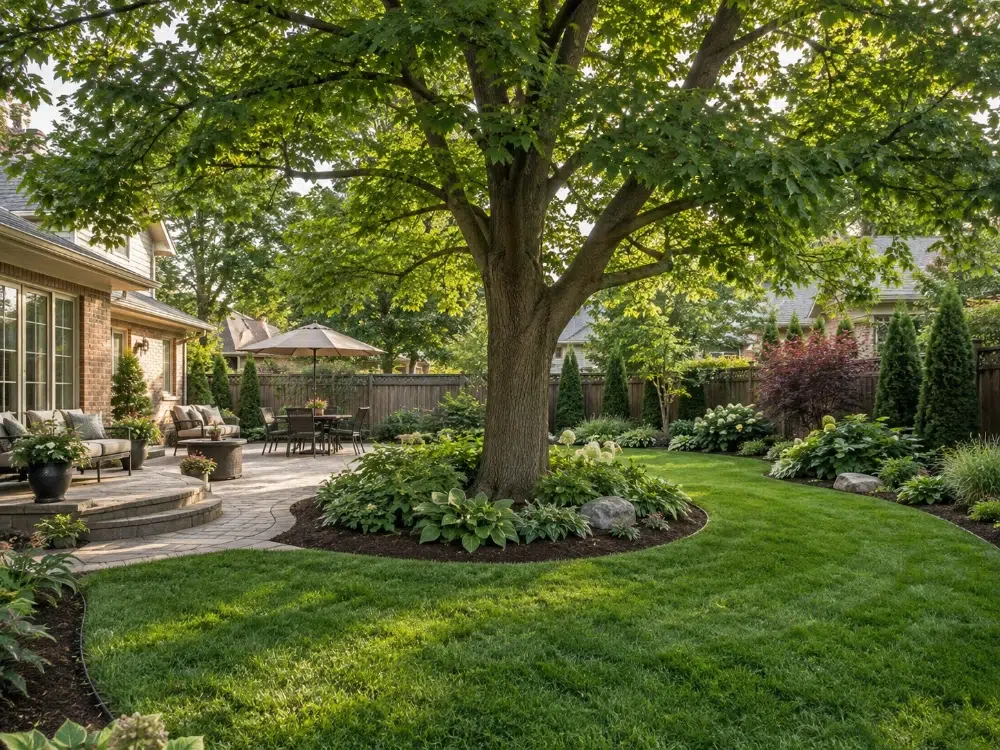 A healthy, well-positioned maple anchoring a backyard design — some trees add more value to a landscape than anything new could replace them with.
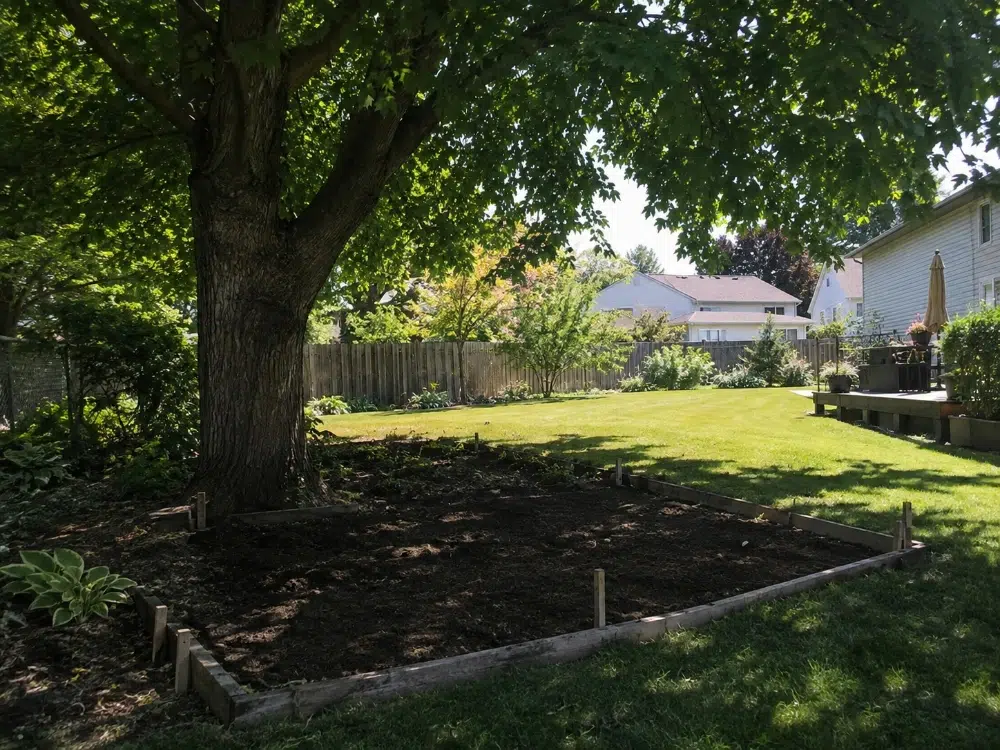 Surface roots lifting a patio or path signal that the tree’s root zone is already working against your landscaping plans
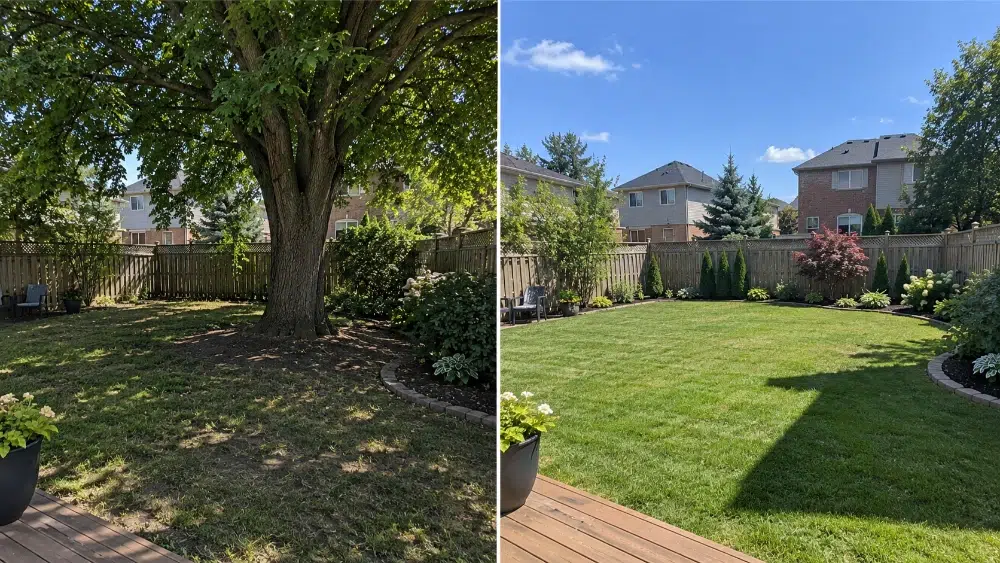 The same yard tells two completely different stories depending on whether the tree stays or goes the design should make that call, not the tree.
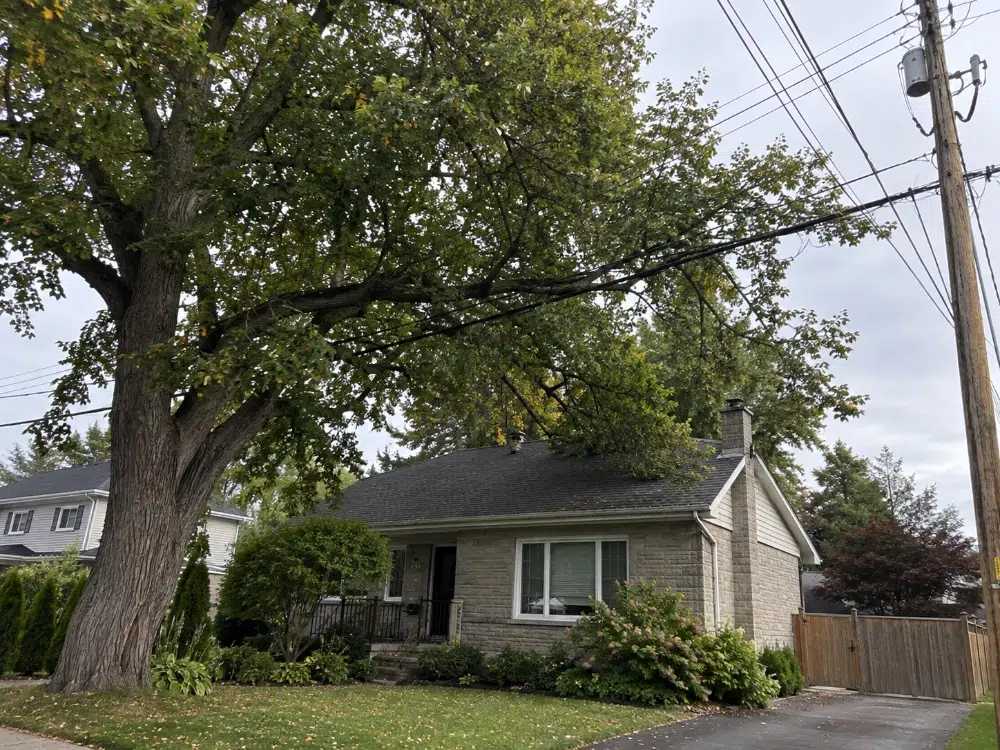 When a tree has grown too close to a roof or power line, proximity to structures becomes the deciding factor — not aesthetics.
How the Tree’s Removal Affects the Rest of the Yard
Removing a large tree opens up sunlight, changes drainage patterns, and exposes surrounding plants to conditions they weren’t grown in. These aren’t problems, they’re factors to plan for.
Soil in the area around a mature tree’s root zone will have been shaped by that root system for years. Once the tree is gone, that ground needs attention before it’s ready for new plantings.
Think of the cleared area as a blank slate that has specific conditions: altered light levels, possible soil compaction, and remaining root matter that affects what you plant next.
When to Remove a Tree for a Landscaping Project
Once the design is set, some trees need to go. Knowing which ones and why keeps the project moving in the right direction. When to remove a tree for landscaping usually comes down to one of three situations: spatial conflict, health or safety risk, or a combination of both. Landscaping and tree removal work best when these decisions are made before anyone picks up a chainsaw.
The Tree Is in the Way of the Design
The clearest reason for removal is spatial conflict. A tree rooted where a new structure needs to go, blocking sunlight for planned beds, or disrupting a sightline that matters to the design is a problem that won’t solve itself. Blocked sunlight is one of the most common reasons a landscaping plan requires tree removal before planting can begin.
This isn’t about the tree’s health. A perfectly healthy tree in the wrong spot still needs to come out if the landscaping plan calls for that space.
The Tree Is Unhealthy or Unsafe
Some trees need to come out regardless of the design, understanding why and choosing the right method are what make the removal safe and effective.
These are the clearest signs that removal is necessary for safety, not just aesthetics:
- Significant lean: a leaning tree poses a real risk to structures or outdoor spaces, especially in wind or ice storms
- Dead or declining crown: large portions of dead branches mean the tree is struggling and dropping material is inevitable
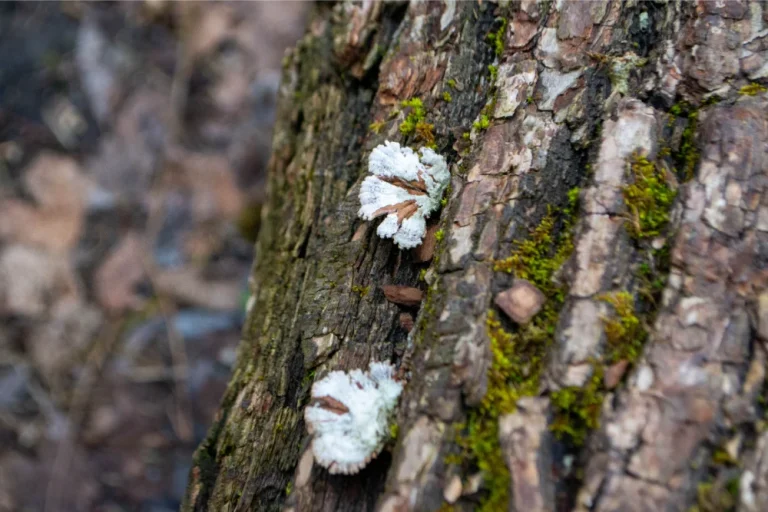
- Trunk rot or hollowing: decay at the base or in the trunk compromises the tree’s structural integrity
- Root upheaval: roots visibly lifting soil or pavement indicate the tree is exerting pressure that won’t stop
- Pest infestation: borers, cankers, or other infestations that have advanced beyond treatment
- Proximity to structures: when to remove trees for landscaping is often determined by how close a tree has grown to a foundation, fence, or power line
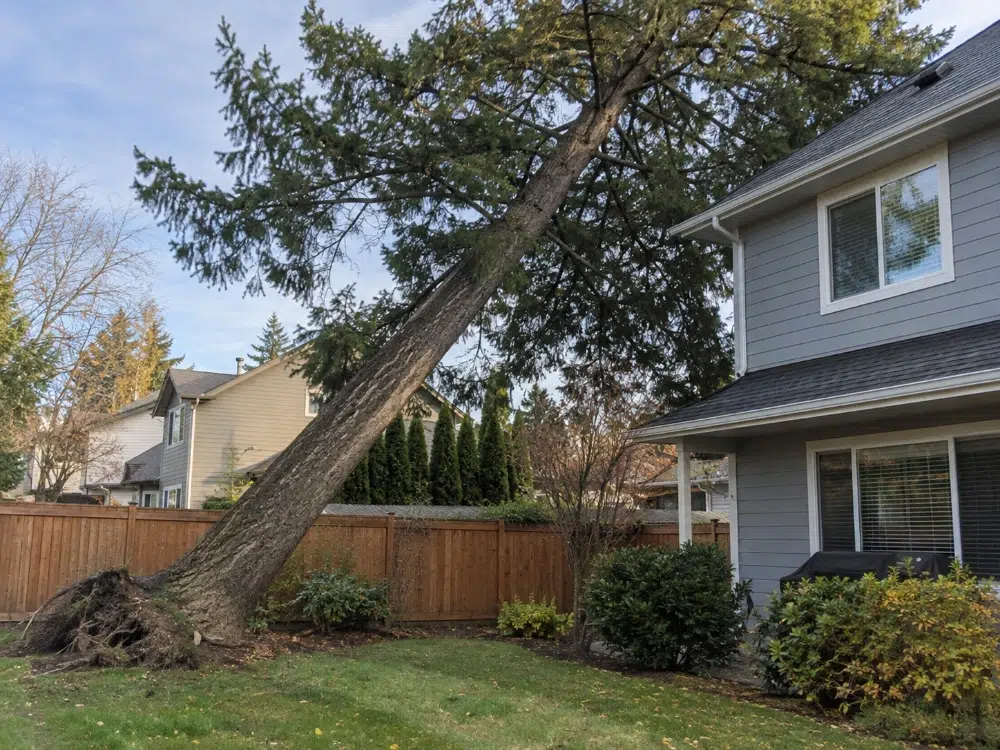 A leaning tree near a structure isn’t a wait-and-see situation wind or ice can bring it down without warning
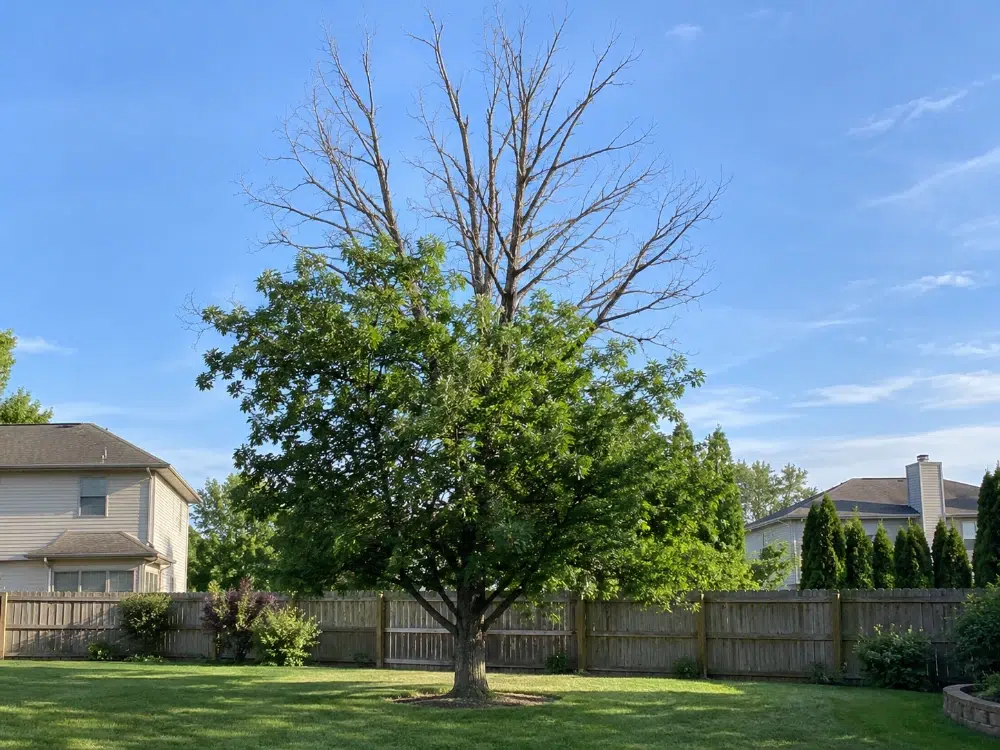 A declining crown means the tree is already losing the battle — dead branches don’t wait for a convenient time to fall
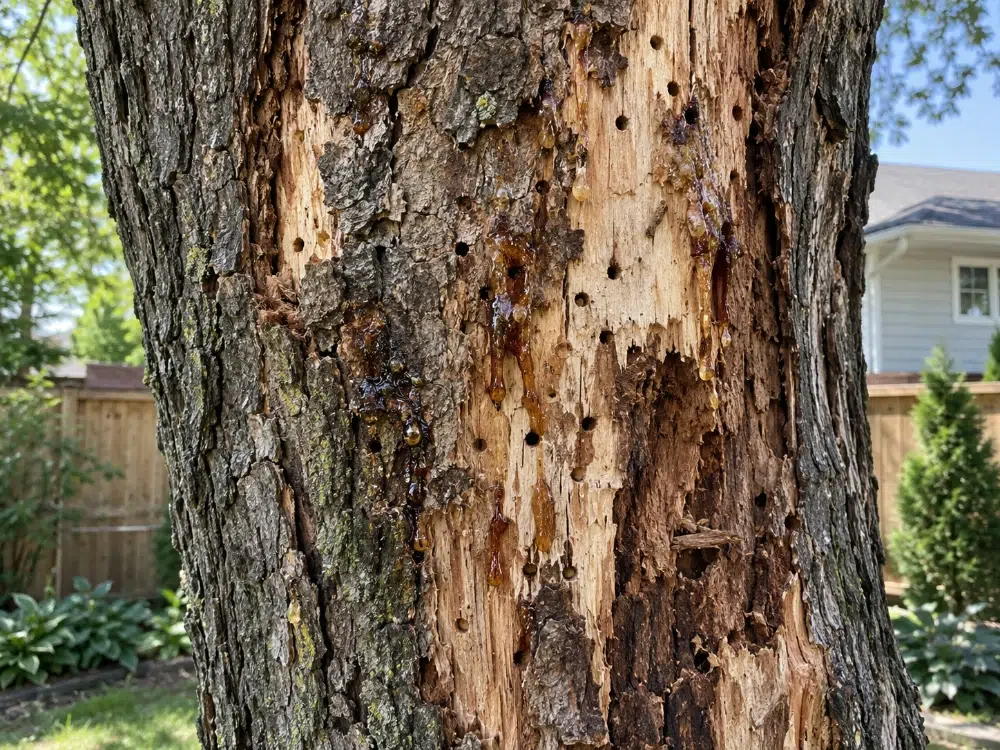 Visible borer damage or cankers that have spread beyond treatment mean the tree is already past saving, and a risk to nearby healthy trees.
For a full breakdown of what to look for, see the signs a tree should be removed.
When Landscaping Around It Makes More Sense
Removing trees for landscaping is the right call in many situations, but not every tree that’s in the general area of your project needs to go. A mature tree with deep roots, a good canopy, and the right position relative to your design is worth designing around. Landscaping for tree removal projects that skip this consideration often end up removing something that would have anchored the finished yard better than anything new could.
Landscaping around trees works especially well when:
Designing with an established tree at the center of the plan often produces a result that looks like it’s been there for decades, because part of it has.
The Removal Process: What Happens Before Landscaping Can Start
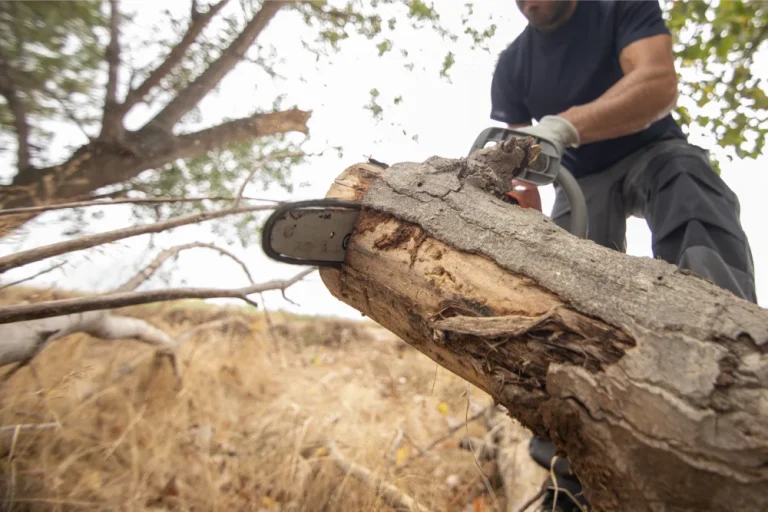
Tree removal for landscaping and landscaping have to be sequenced properly. Tree removal before landscaping should be complete, including stump clearance before any landscaping work begins in the affected area. Starting on the ground before the tree is fully cleared creates problems that are expensive to fix.
Assessment and Planning
Every removal starts with an on-site assessment by a Certified Utility Arborist. The assessment covers the tree’s structure and condition, the access routes for equipment, the proximity to surrounding features, and what technique fits the situation. For any tree removal for landscaping project, this step isn’t optional, it’s what the quote is based on.
A proper assessment also determines what permits are required. In Ottawa, removing certain trees requires municipal approval before work can begin, handled before the crew arrives, not after.
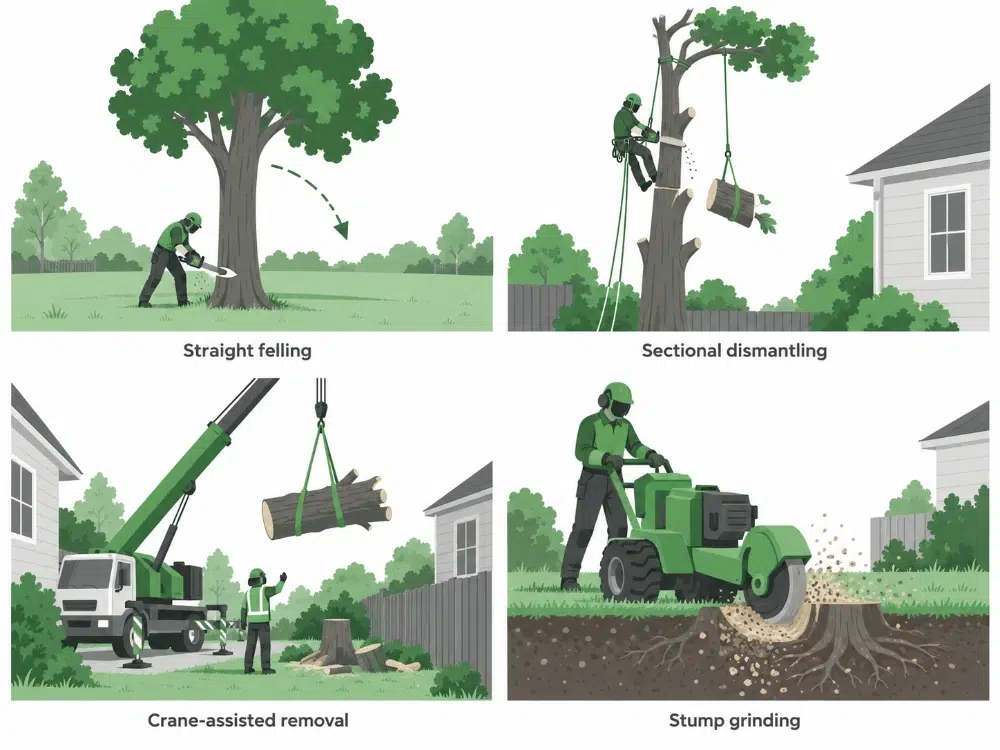
Removal Techniques at a Glance
The technique used depends on the tree’s size, location, and what’s around it. Here’s how the main approaches differ:
| Technique | When It’s Used | What It Involves |
|---|---|---|
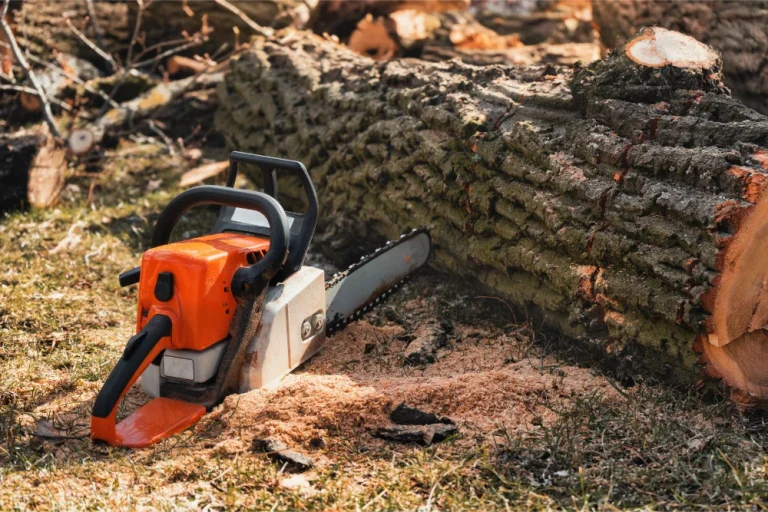
| Straight Felling | Open areas with enough clear space | Cut at the base, controlled fall in one direction |
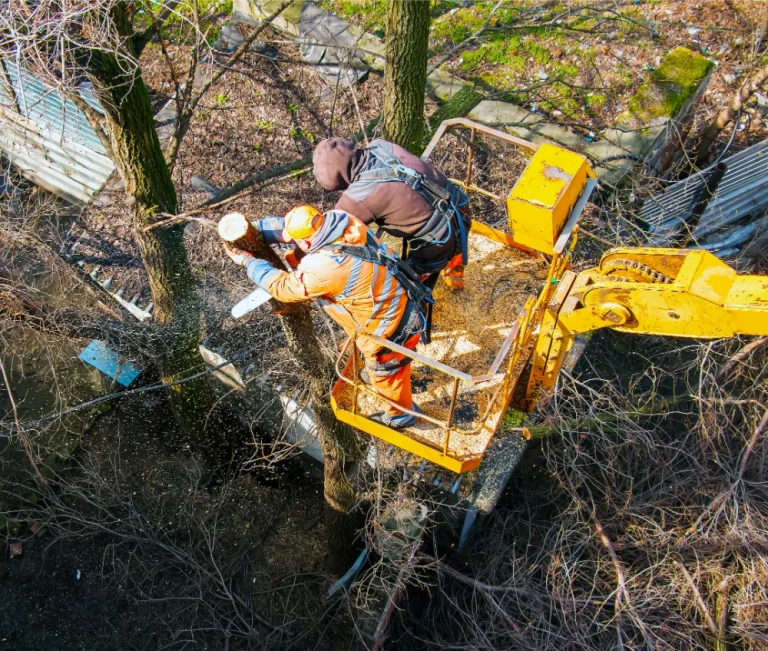
| Sectional Dismantling | Near structures, fences, or other trees | Removed piece by piece from the top down |
| Crane-Assisted Removal | Large, high-risk, or difficult-to-access trees | Sections lifted and lowered with precision |
| Stump Grinding | After any removal, before landscaping begins | Stump ground below soil level, area cleared for replanting |
For a full breakdown of each method, see the complete guide to tree removal techniques.
Stump Removal and Site Clearance
The stump is the step most people underestimate. Leaving a stump in place blocks planting, creates a pest habitat, and means the root system is still in the ground, continuing to affect soil and drainage long after the tree is gone.
Stump grinding brings the stump below grade and produces wood chip mulch that can be used in the new landscaping. Full stump removal extracts the root ball entirely, the better option if you’re planning to plant directly in that spot or need completely clear ground for a new feature.
Site clearance, removing all debris, surface roots, and wood chips, comes last. Once the area is clear, it’s ready for the next phase.
Preparing the Site for Landscaping After Removal
This is the step most landscaping projects skip or rush, and it’s where most post-removal problems start. Removing a tree changes the soil, the light, and the drainage in that area, addressing those conditions before replanting is what determines how well the new landscape actually takes. Skipping this step is the most common reason a tree removal for landscaping project ends with a yard that looks unfinished.
Soil that hosted a large root system for decades doesn’t behave like undisturbed ground. It needs attention before it’s ready to support new plantings.
Need Help With Tree Removal in Ottawa?
Not sure whether your tree is protected or what steps you need to take before removal? SpinBlade can help assess your tree, explain your options, and guide you through the removal process.
Soil Restoration After a Tree Comes Out
Tree roots affect soil structure, nutrient levels, and compaction over years. Once those roots are gone, the soil often needs rehabilitation, soil rehabilitation after removal is one of the most overlooked steps in any landscaping project that involves tree clearing.
The standard soil restoration and rehabilitation process after removal:
- Test the soil: pH, nutrient levels, and compaction all affect what you can plant and how quickly
- Break up compaction: till or aerate the area to restore porosity, especially where heavy equipment worked
- Remove remaining surface roots: small roots left in the ground can affect new plantings and create trip hazards
- Amend the soil: add compost or organic matter to restore fertility and structure; resodding bare areas may also be needed depending on your landscaping plan
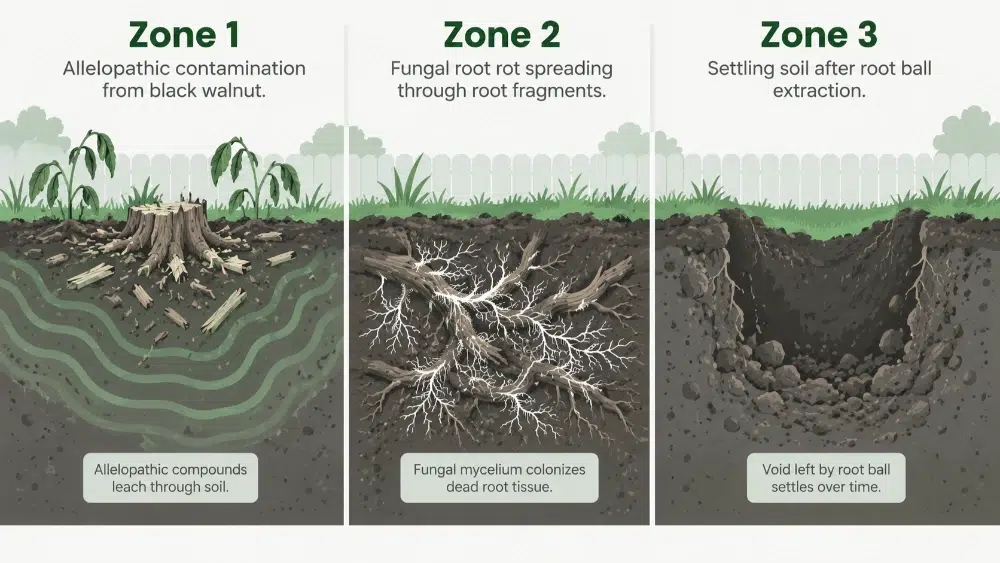
- Allow settling time: especially important if stump removal left voids in the ground that need to be filled and tamped
What to Watch Out for Before You Plant
A few specific conditions affect this step depending on the tree species that was removed.
Landscaping the Space
This is the payoff: turning the cleared area into the yard you planned. Landscaping after tree removal, in the space where a tree used to stand, is one of the most satisfying transformations in any project, because the light, the space, and the soil are all new.
Plant Selection for a Newly Opened Space
The conditions of the newly cleared area determine plant selection and what will actually thrive there. A spot that was heavily shaded is now in full sun, which is an opportunity, but it needs the right plants.
For newly sunny areas:
- Sun-tolerant perennials (black-eyed Susan, coneflower, salvia)
- Ornamental grasses that fill open space naturally
- Shrubs that establish quickly and fill the visual gap the tree left
For partial shade from surrounding canopy:
- Shade-tolerant groundcovers (hostas, ferns, astilbe)
- Native understory shrubs that work with filtered light
- Low-maintenance perennials suited to Ottawa’s climate zone (Zone 5b)
Avoid planting directly over a stump grinding site in the first season if the stump was large, decomposing wood chips in the ground affect nitrogen availability as they break down.
Integrating the New Area Into the Existing Landscape
The cleared area shouldn’t look like a patch. The goal of tree landscaping after removal is to make the new space feel like it belongs with the rest of the yard, not like something used to be there. Good project sequencing at this stage is what makes the difference between a yard that looks designed and one that looks repaired.
What makes the yard integration work:
Landscaping around trees that remain should also account for the changed conditions. Trees that were previously surrounded by shade-tolerant plants may now be more exposed, the plants around them may need to change too.
Working With a Certified Arborist on Your Landscaping Project
Tree removal for landscaping is most effective when an arborist is involved from the beginning, not called in after the design is set. A Certified Utility Arborist (CUA) or ISA-certified arborist brings something a landscaper alone doesn’t: the ability to assess a tree’s structural soundness, predict how removal will affect surrounding growth, and sequence the work in the right order.
In Ottawa, permitted tree removal also requires documentation that an arborist provides. Getting that sorted at the planning stage means no delays once the project starts.
Coordinating removal and landscaping as one projectm not two separate contracts saves time, reduces site disruption, and avoids situations where the landscape design gets built around a tree that turns out to need removing later. For any garden renovation or yard redesign in Ottawa that involves trees, that coordination starts with a certified arborist.
Frequently Asked Questions
CONCLUSION
Tree removal for landscaping is most effective when it’s treated as part of the design process, not a preliminary task to get out of the way. When removal, site preparation, and new landscaping are planned and executed as one coordinated project, tree removal and landscaping together from day one, the result is a yard that looks finished, and actually is.
SpinBlade’s licensed and insured, certified arborists serve Ottawa and the surrounding area with safe, permitted tree removal and complete site cleanup after every job. If tree removal is part of your next landscaping project, contact us for a free quote.
Need Help With Tree Removal in Ottawa?
Not sure whether your tree is protected or what steps you need to take before removal? SpinBlade can help assess your tree, explain your options, and guide you through the removal process.