


Residential land clearing is where every new home, garden, or outdoor project truly begins. It’s the process of turning uneven, overgrown ground into a safe, workable space. Whether you’re planning to build, landscape, or expand, how you prepare the land now will shape the stability, drainage, and long-term health of everything that follows. In this article, we’ll cover what residential land clearing involves, the equipment and methods used, costs to expect, and how to plan your project responsibly.
What Is Residential Land Clearing?
Residential land clearing is the process of removing unwanted trees, brush, stumps, rocks, and debris from private property to prepare it for construction or landscaping. Unlike large-scale agricultural or commercial operations, residential, it focuses on precision—clearing only what’s necessary while protecting the surrounding landscape and soil structure. It’s a balance between creating usable space and maintaining the natural integrity of your yard or lot.
Done correctly, this type of land clearing sets the stage for safe foundations, proper drainage, and long-term property health. Whether you’re building a new home, adding a pool, or redesigning your outdoor space, starting with a clean, graded surface ensures every project runs smoothly and stays compliant with local regulations.

What Does Residential Land Clearing Involve?
Residential land clearing involves removing unwanted vegetation and preparing the land so it’s safe, usable, and ready for construction or landscaping. It combines several essential steps that ensure the property is properly cleared, leveled, and free of debris.
- Brush Removal: Clears overgrown shrubs, weeds, and small vegetation to open the space and improve visibility.
- Tree Removal: Cuts down hazardous or unwanted trees to make room for safe access or new projects.
- Stump Grinding: Grinds tree stumps below ground level to prevent regrowth and create a smooth surface.
- Grading & Leveling: Shapes the land for proper drainage, stability, and future construction needs.
- Debris Hauling: Removes branches, logs, and leftover vegetation to leave the property clean and ready for use.
Common Reasons for Residential Land Clearing
Homeowners turn to residential land clearing for more than just construction prep, it’s also a practical way to reclaim and enhance property.
| Purpose | Example |
|---|---|
| New Construction | Preparing a home lot or foundation area |
| Landscaping | Creating gardens, patios, or retaining walls |
| Safety | Removing dead or leaning trees and dense brush |
| Drainage | Improving water flow and preventing pooling |
| Expansion | Making room for garages, pools, or additions |
Every project begins with a clear vision, and proper clearing ensures that vision has a solid, stable surface to stand on.
Transform your lot from cluttered to construction-ready.
From tree removal to grading and debris hauling, our residential land clearing services help you reclaim your space with confidence.
Planning a Residential Land Clearing Project
Before machinery rolls in, homeowners should understand what’s involved in planning. A successful land clearing project depends on assessment, permitting, and choosing the right team for the job.
1. Site Assessment
The first step in residential land clearing is evaluating your property. Professionals inspect the soil condition, slope, existing vegetation, and access points to determine which clearing methods and equipment are most effective. A proper assessment helps avoid costly surprises like erosion, poor drainage, or structural instability.
2. Permits & Local Regulations
Most municipalities require permits for residential land clearing, especially when trees over a certain diameter are involved or when grading affects water runoff. Homeowners should verify property-line boundaries, zoning laws, and erosion-control measures before beginning. Following these rules prevents fines, neighbor disputes, and environmental damage.
3. Hiring vs. DIY Land Clearing
Some homeowners are tempted to handle residential land clearing themselves, but the choice depends on the project’s size and complexity.
| Factor | DIY Land Clearing | Professional Land Clearing |
|---|---|---|
| Project Scale | Suitable for small areas, brush, or light vegetation | Handles full-lot clearing, grading, and large trees |
| Equipment Access | Limited to basic tools, rented skid steers, or chainsaws | Access to excavators, mulchers, and stump grinders |
| Safety Risk | High risk of injury from tools, debris, or unstable ground | Trained operators follow strict safety protocols |
| Environmental Impact | Easy to damage soil or root systems without proper technique | Uses erosion-control methods and protects soil structure |
| Permits & Compliance | Must research and file permits independently | Professionals handle permits and by-law compliance |
| Timeframe | Slower and dependent on homeowner availability | Faster, coordinated crew with efficient scheduling |
| Cost Over Time | Lower upfront, higher risk of rework or property damage | Higher upfront, long-term savings through quality results |
While DIY clearing can work for small patches or brush removal, professional services bring efficiency, expertise, and safety, especially when dealing with heavy equipment or complex terrain.
4. Residential Land Clearing Equipment
The right tools can make the difference between a smooth, efficient clearing job and weeks of frustration. Here’s a look at the most common residential land clearing equipment and how each one fits into the process:
Proper residential land clearing equipment ensures the work is done efficiently, safely, and with minimal environmental disruption. For larger or sloped lots, professionals often combine several machines to achieve precise grading and cleanup.

What Season Is Best for Residential Land Clearing?
Residential land clearing can technically be done at any time of the year, but each season has its own benefits and drawbacks depending on your soil, vegetation, weather conditions, and how quickly you need the project done. Choosing the right season can save time, reduce costs, and make the clearing process smoother and safer.
| Season | Good Side | Bad Side |
|---|---|---|
| Spring | Soft ground makes digging and stump removal easier; contractors are more available before peak season. | Wet soil and frequent rain can slow equipment and cause ruts or extra grading work. |
| Summer | Dry, stable soil offers ideal conditions for fast clearing with minimal delays. | High demand can increase prices, and dense foliage means more vegetation to remove. |
| Fall | Cooler weather and reduced foliage make clearing efficient and less labor-intensive. | Shorter days and early storms can reduce daily work time. |
| Winter | Frozen ground protects soil structure and supports heavy machinery. | Frost and snow make stump removal harder and may cause weather-related delays. |
Residential Land Clearing Methods
Different sites call for different clearing methods and choosing the right one protects your yard, your wallet, and your future plans. Proper residential land clearing is about matching the method to your property’s condition, size, and vegetation type.
Manual Land Clearing
Manual residential land clearing relies on hand tools and smaller power equipment like chainsaws, brush cutters, and axes. It’s ideal for smaller properties or areas where precision matters, such as working around structures, gardens, or protected trees.
This method allows you to selectively remove unwanted growth without disturbing surrounding soil or damaging existing landscaping. However, it’s labor-intensive and best suited for clearing light brush, saplings, or isolated stumps.
Mechanical Land Clearing
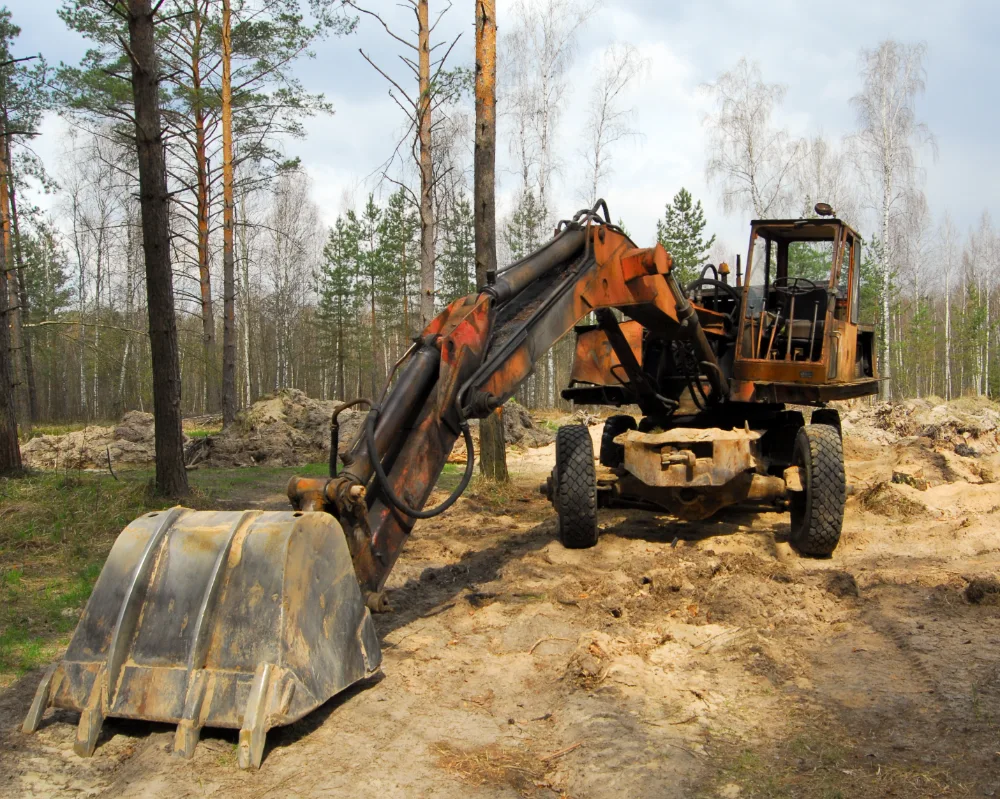
Mechanical residential land clearing uses heavy machinery to handle larger areas or dense vegetation efficiently. Skid steers, mini excavators, and forestry mulchers are common tools for removing trees, uprooting stumps, and grinding thick brush.
This approach is faster and more cost-effective for medium to large lots but requires experienced operators to prevent soil compaction, uneven grading, or damage to nearby structures.
Chemical or Controlled Clearing
When roots or invasive species are difficult to remove manually, controlled chemical treatments can help. In this method, herbicides are applied selectively to stop regrowth or decay stubborn stumps.
It’s rarely used alone for residential land clearing, but it’s an effective follow-up treatment after mechanical removal. Licensed professionals ensure the process is safe, environmentally compliant, and free of runoff risks that could harm nearby plants or groundwater.
Don’t risk fines or foundation issues.
Work with certified professionals who know how to handle residential land clearing the right way—safely, efficiently, and within local regulations. Book a consultation to get started.
Cost of Residential Land Clearing
No two properties are alike, and neither are their clearing costs. The price of residential land clearing depends on the land’s size, vegetation density, slope, and how debris is handled afterward. Homeowners can expect to pay more when dealing with heavy brush, large trees, or uneven terrain that requires grading.
| Cost Factor | What It Includes | Average Range (CAD) |
|---|---|---|
| Lot Size | The total area being cleared. Smaller lots are priced per square foot, larger by the acre. | $1,000–$5,000 for ¼ acre; $5,000–$15,000+ per acre |
| Vegetation Density | Type and number of trees, brush, and stumps removed. | Light clearing: $1–$2 per sq. ft.; Heavy clearing: $3–$5 per sq. ft. |
| Slope & Soil Condition | Grading, erosion control, and difficult terrain add time and cost. | +10–25% depending on severity |
| Disposal or Hauling | Removing debris, roots, and wood waste from site. | $500–$2,000 depending on volume |
| Permits & Compliance | Municipal or environmental permits and inspections. | $100–$600 depending on region |
Pro tip: Combine residential land clearing with stump grinding or grading services in a single contract to reduce total labor and hauling costs.
Average Residential Land Clearing Cost by Province (Canada)
Factors That Affect the Cost
How Long Does Residential Land Clearing Take?
The time required to clear a residential property depends on the lot size, density of trees or brush, soil conditions, and how much grading or debris removal is needed afterward. While some small lots can be cleared in just a few hours, larger rural properties may take several days or even a full week if the terrain is complex or heavily wooded.
Small Suburban Lot Timeline
Clearing a small suburban lot usually takes anywhere from a few hours to one full day, depending on the amount of brush, the number of small trees, and how accessible the property is for machinery. If grading or debris hauling is needed afterward, the project may extend into a second day.
- ½ acre or less: 4–8 hours for light brush and a few small trees.
- Up to 1 acre: 1–2 days if the lot has moderate trees, stumps, or uneven areas.
- With grading & debris hauling: Add ½–1 full day depending on soil and debris volume.
Large Rural Lot Timeline
Large rural lots typically require several days to a full week because they often contain bigger trees, thicker vegetation, and more complex terrain. Projects that involve stump removal, debris hauling, or extensive grading can take even longer, especially if the land is heavily forested or uneven.
- 1–3 acres: 2–4 days depending on tree size, brush density, and land slope.
- 3–5 acres: 4–7 days when heavy equipment, stump removal, and haul-away are required.
- 5+ acres or heavily forested land: 1–2 weeks if the project includes large trees, thick undergrowth, and full site preparation.
Environmental & Safety Considerations
Responsible residential land clearing goes beyond removing what’s in the way, it protects the surrounding environment and your property’s long-term stability. Poor clearing practices can lead to soil erosion, drainage issues, and even foundation damage later.
To keep your project safe and sustainable, professionals follow key environmental best practices:
For regional standards, check the Government of Canada’s Environmental Services page or your provincial ministry’s forestry or land management guidelines.
When to Hire a Professional
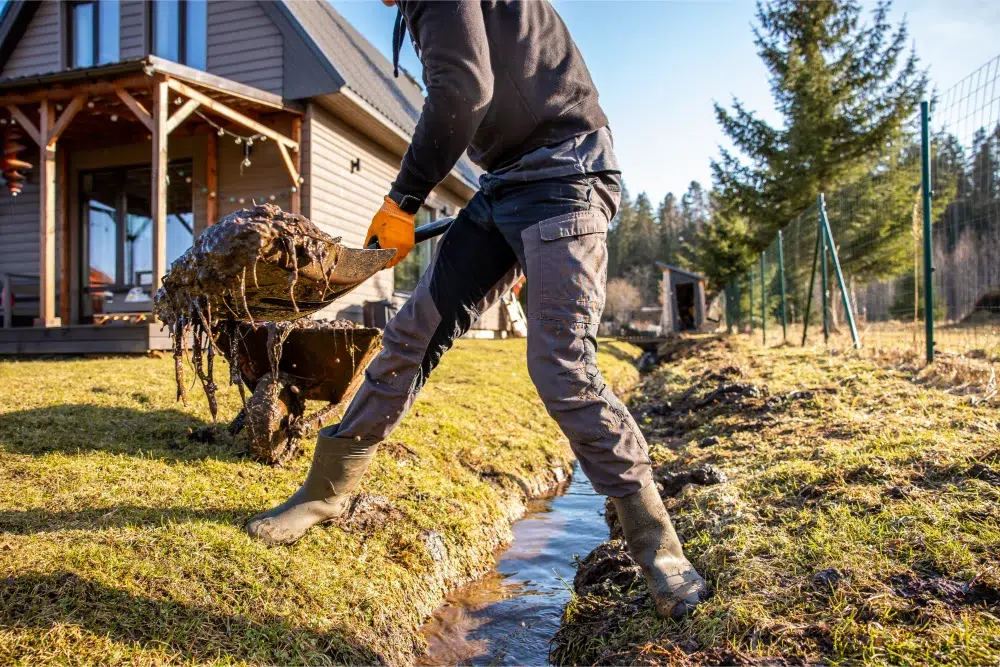
Large, uneven, or heavily wooded lots can turn a small project into a safety hazard fast.
Specialists understand how to navigate drainage zones, avoid underground utilities, and handle equipment designed for precision clearing. We use techniques that protect soil stability, manage debris responsibly, and reduce the environmental footprint of your project.
At SpinBlade, we handle every aspect of residential land clearing with care and precision, including:
For safe, efficient results on any project, learn more about SpinBlade’s professional land clearing services and see how our certified team can prepare your property the right way.
FAQ: residential land clearing
Here are quick answers to common homeowner questions before starting a residential land clearing project:
In Short,
Every successful build or landscaping project starts with the same foundation—proper residential land clearing. It’s what ensures safe footing, smooth grading, and compliance with local regulations long before walls go up or plants take root. Investing in professional clearing protects your property, your investment, and your future plans.


