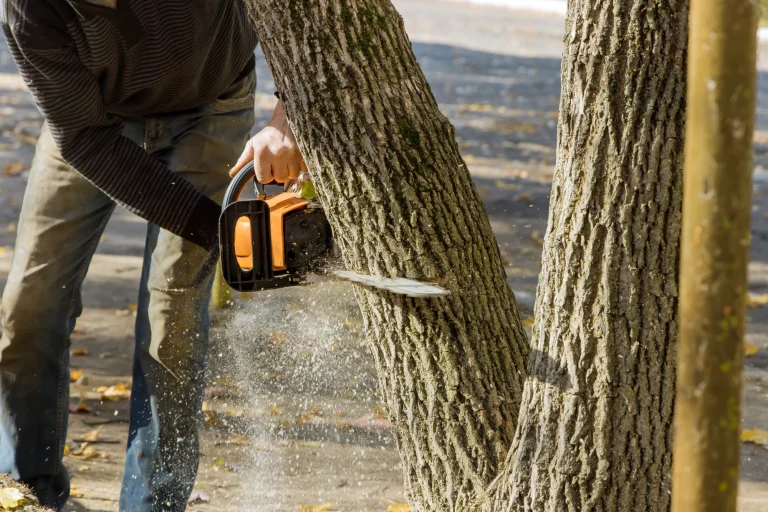
Tree cutting tools play a major role in how safe and controlled a job can be. The equipment used determines how accurately cuts can be made, how sections are handled, and how much risk is involved when trees are close to structures. On professional job sites, tool selection is based on tree size, species, and surroundings, not convenience. This guide explains the main tree cutting tools used in the field and why they matter.
Why The Right Tools Matter
The best tools used during tree cutting influence far more than just how fast the work gets done. They affect control, precision, and how predictable the tree’s movement will be once cutting begins. A setup that works well for a small, open yard can be completely unsuitable for a larger tree near buildings or utilities.
Proper tree cutting tools allow crews to manage weight, direction, and fall zones with accuracy. Poor tool selection often leads to longer cutting times, rougher cuts, and higher risk.
Professional tree cutting relies on purpose-built equipment designed to handle load, tension, and impact. Consumer-grade tools may work for small tasks, but they quickly reach their limits when trees are larger or access is restricted.
Tree Cutting Tools Names at a Glance
| Tool Category | What It’s Used For | When It’s Typically Needed |
|---|---|---|
| Chainsaws | Making primary cuts through trunks and large limbs | All tree cutting jobs, with saw size matched to tree size and species |
| Hand & specialty saws | Precision cuts on smaller branches | Detail work during dismantling or tight cuts |
| Rigging equipment | Controlling the movement of cut sections | Trees near buildings, fences, or utilities |
| Wedges & directional aids | Guiding fall direction and preventing saw binding | Base cuts and large section removals |
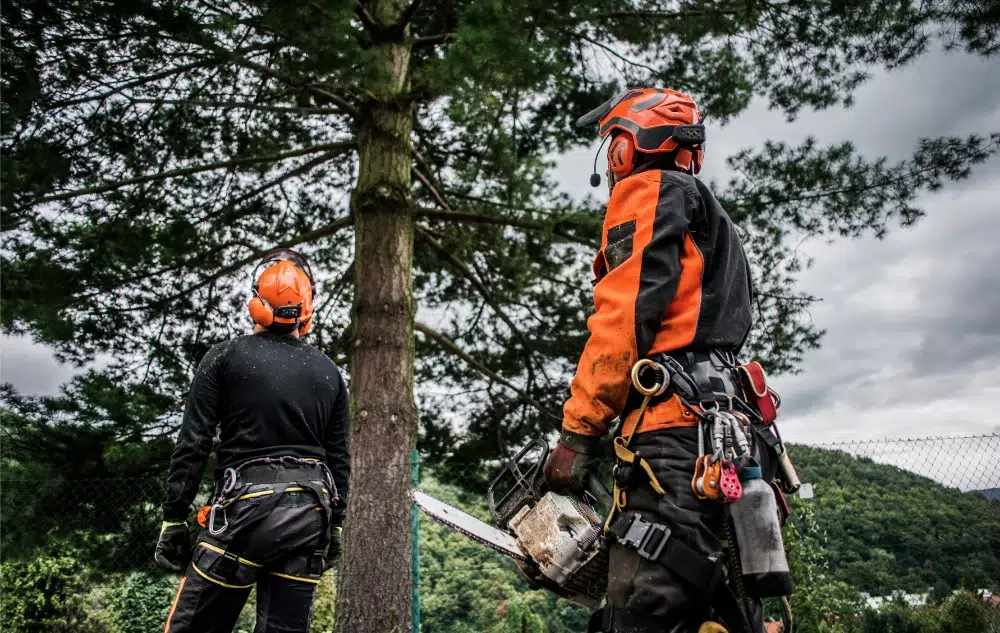
| Climbing gear | Accessing trees where ground cutting isn’t possible | Tight yards or areas without machine access |
| Lifts & bucket trucks | Providing stable elevated access | Tall trees or high-risk cutting situations |
| Safety equipment | Protecting workers during cutting | Required on all professional tree cutting sites |
Common Tree Cutting Tools
The best tools for tree cutting do the obvious work, but size, power, and configuration matter more than most people realize.
Chainsaws
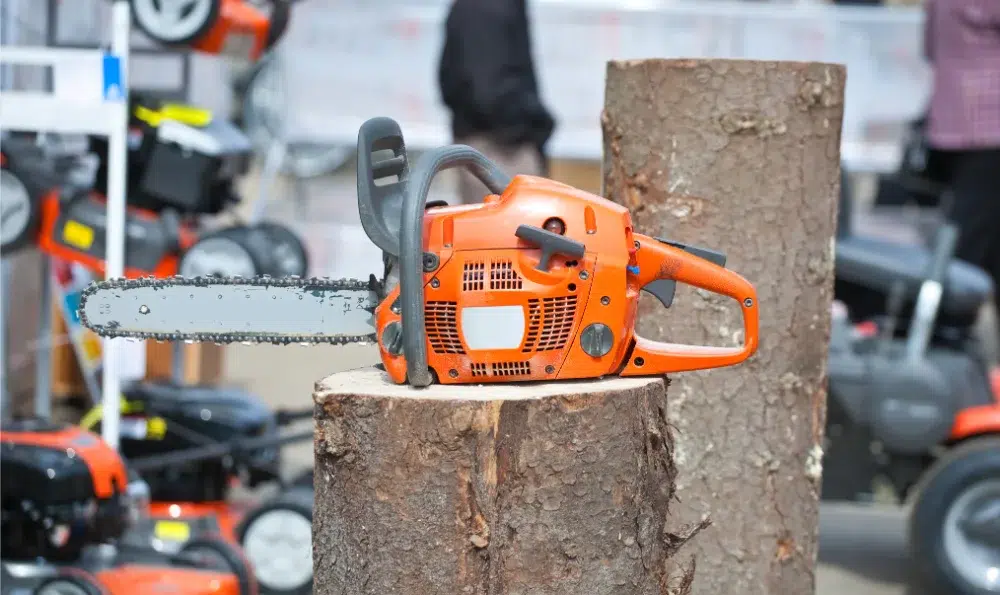
Chainsaws are the primary tree cutting tools used on most jobs. They vary widely in size and power, and choosing the wrong one can slow the work or increase risk.
Larger trees and dense hardwood species common in Canada, such as maple or oak, require more powerful saws with longer bars. Smaller saws may struggle, leading to uneven cuts and increased operator fatigue.
Saw selection also affects control. Oversized saws can be harder to manage in tight spaces, while underpowered saws increase cutting time and strain.
Hand Saws and Specialty Saws
Hand saws and smaller specialty saws are still used during tree cutting, but only in specific situations. These electric tree cutting tools are useful for precise cuts, small branches, or controlled trimming during dismantling.
They are not substitutes for chainsaws on full tree cutting jobs. Their role is limited and usually supplemental within professional work.
Professional Tree Cutting Equipment Makes the Difference
At SpinBlade, we use commercial-grade saws, rigging systems, and access equipment to cut trees safely and efficiently.
Support and Control Equipment
Most tree cutting risks come from uncontrolled movement, not from the cut itself. Support equipment is used to manage weight, direction, and speed once a section is released.
Rigging and Control Equipment
Rigging equipment is used to guide or lower tree sections safely. This becomes critical when cutting trees near homes, fences, sheds, or power lines.
Ropes, pulleys, and friction devices allow sections to be slowed, redirected, or lowered instead of dropped. These tools support different tree cutting techniques, depending on how much control is required for the site.
Heavier sections, brittle species, or limited landing zones require more rigging and more setup time. This directly affects job complexity and planning.

Wedges and Directional Aids
Wedges and directional aids help guide how a tree or section moves once cut. They prevent saw binding and help control fall direction during base cuts or large section removals.
These tools for tree cutting are simple but important. Small adjustments at the cut can significantly change how a tree behaves as weight shifts.
Access Equipment Used in Tree Cutting
Access determines how and where cuts can be made. When a tree can’t be reached safely from the ground, additional equipment is required to position workers correctly and maintain control throughout the job.
Climbing Gear
Climbing gear is used when ground-based cutting isn’t practical and machinery can’t access the site. This is common in tight yards, fenced properties, or areas with limited equipment access.
Harnesses, ropes, and climbing systems allow workers to move through the tree and make cuts in a controlled sequence. This approach requires experience and planning, especially with larger trees or species that behave unpredictably once weight is removed.

Lifts and Bucket Trucks
Lifts and bucket trucks are often used for taller trees or higher-risk situations. They provide stable access and reduce the need for extended climbing, which can improve efficiency on larger jobs.
Access requirements matter. Bucket trucks need sufficient space and ground stability, which isn’t always available in residential properties. When they can be used, they often reduce cutting time and improve precision.
Safety Equipment Used During Tree Cutting
Tree cutting equipments aren’t limited to saws and access equipment. Personal protective equipment is a core part of how risk is managed on site, especially when cutting large or unstable trees.
On professional tree cutting jobs, standard safety equipment typically includes:
This equipment isn’t optional. Tree cutting involves shifting weight, moving sections, and active cutting at all times. Even small mistakes can lead to serious injury without proper protection.
Using the right safety gear allows crews to focus on controlled cuts and safe movement, rather than reacting to preventable hazards as they arise.
How Tree Cutting Tools Affect Cost and Planning
Tree height alone doesn’t determine cost. A smaller tree that requires rigging, climbing, and controlled lowering can take longer—and cost more—than a taller tree in an open area. In Ottawa, where many properties have limited access and mature hardwoods, tool requirements often matter more than size alone.
How Equipments of Tree Cutting Impact Time and Cost
| Tool Setup | Typical Situation | Planning & Setup Impact | Effect on Tree Cutting Costs |
|---|---|---|---|
| Basic cutting tools only | Small tree, open yard, clear fall zone | Minimal setup, often 15–30 minutes | Lower cost due to shorter labour time |
| Chainsaw + wedges | Medium tree with directional control needed | Moderate planning, 30–45 minutes | Slightly higher due to added control |
| Rigging equipment | Tree near buildings, fences, or utilities | Setup often adds 30–90 minutes | Higher cost due to labour and equipment |
| Climbing gear + rigging | Tight access, no room for machinery | Slower, staged cutting over several hours | Higher cost driven by time and risk |
| Lift or bucket truck | Tall trees with vehicle access | Faster cutting, but higher operating cost | Cost varies based on access and duration |
These factors feed directly into overall tree cutting costs, which is why on-site assessments are critical before pricing is finalized.
Professional Tree Cutting Equipment Makes the Difference
At SpinBlade, we use commercial-grade saws, rigging systems, and access equipment to cut trees safely and efficiently.
FAQ: Tree Cutting Tools
Below are common questions homeowners ask about the equipment used during tree cutting.
In Short,
Tree cutting tools play a direct role in safety, efficiency, and cost. The right equipment allows trees to be cut with control, especially in tight or high-risk areas. While this guide explains what tools are used and why, how they’re applied depends on the site and the cutting approach. Understanding the relationship between tools, methods, and cost leads to better tree cutting decisions.