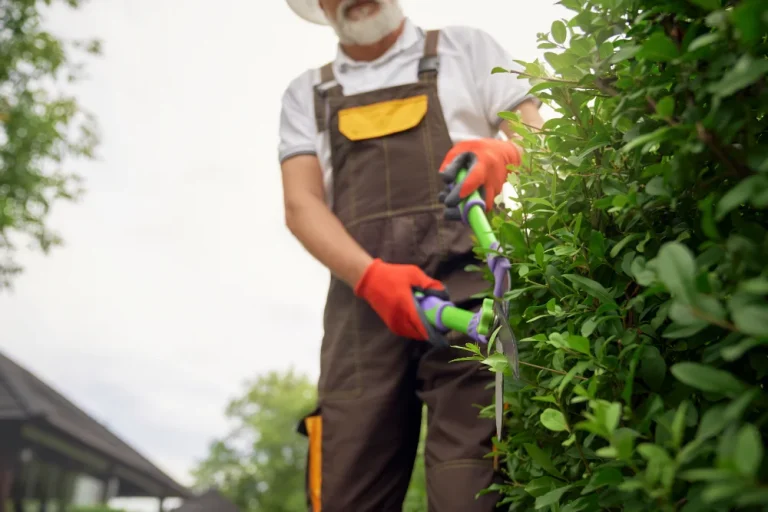
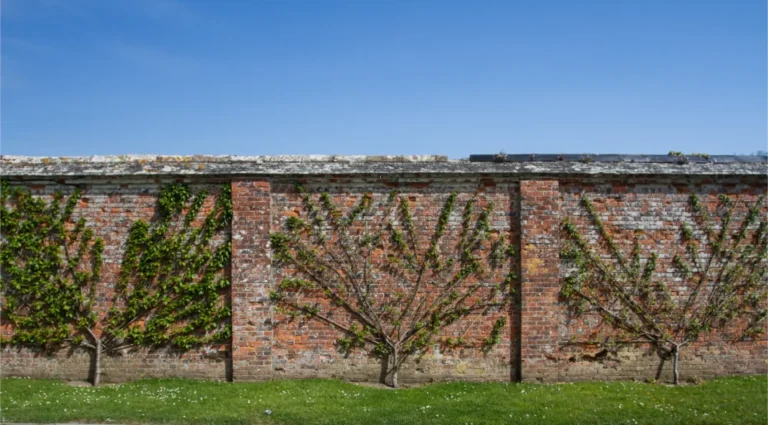
Tree trimming is vital for keeping your trees healthy and your home safe. However, understanding tree trimming safety is critical to avoiding accidents and maintaining a safe working environment. Whether you’re a homeowner or a professional arborist, prioritizing safety is the greatest way to avoid injuries and accomplish excellent results.
Are you ready to learn the basic techniques for safe and effective tree trimming? Let’s start then!
What is Tree Trimming?
Tree trimming is the process of selectively removing branches to enhance a tree’s health, safety, and appearance. It’s an essential tree care practice that prevents hazards by removing dead or weak branches while promoting healthy growth and a well-shaped canopy. Proper tree trimming safety ensures effective results, reduces risks, and contributes to maintaining vibrant and secure outdoor spaces.
Check out our blog post to learn more about tree trimming.

Tree Trimming Safety
Tree trimming requires careful consideration of various factors to ensure safety. From choosing the right day to wearing personal protective equipment (PPE), each step is crucial in preventing injuries and accidents.
Choose The Right Day
Weather conditions significantly impact tree trimming safety. You should always select a day with clear skies and no adverse weather conditions, such as strong winds or heavy rain. Working under unfavorable weather can increase the risk of slips, falls, and equipment malfunction.
Checking the local weather forecast can help you plan appropriately. Remember, a day with mild temperatures and low wind is ideal for ensuring the safety and efficiency of your work.
Check out our detailed blog post to learn more about the best time to trim trees.
Assessing the Tree and Surrounding Area
Evaluating the tree and its surroundings before starting any work is crucial. Examine the tree for signs of rot, weak branches, or splits in the trunk. Look for obstacles such as fences, buildings, or power lines that could pose hazards.
Check for Potential Hazards
Tree trimming safety starts with awareness. Before you trim, take the time to identify and address potential dangers to ensure a smooth and accident-free process.
4 Steps to Check for Hazards:
- Identify nearby hazards: Look for overhead wires, nearby buildings, or pedestrian pathways that could pose risks during trimming.
- Contact utility companies: If power lines are present, notify your local power utility to discuss safety measures, including the possibility of shutting down power temporarily.
- Avoid interference: Steer clear of hazards to minimize the risk of electrocution, property damage, or accidents.
- Communicate effectively: Ensure everyone involved is aware of the potential hazards and necessary precautions for a safer working environment.
Gather the Essential Gear
Equip yourself with tools specifically designed for tree trimming, such as pruning saws, shears, and chainsaws. Ensure that all equipment is in good working condition and has been maintained properly. Having the right tools can make the job more efficient and safer.
Organize your gear in a way that it’s easily accessible during the trimming process. Proper preparation helps in avoiding unnecessary delays and allows for a streamlined workflow.
Personal Protective Equipment (PPE)
Wearing the right PPE is your first line of defense against injuries during tree trimming. Equip yourself properly to stay safe and protected in demanding conditions.
Essential PPE for Tree Trimming Safety:
- Helmets: Protect your head from falling branches or debris.
- Safety goggles: Shield your eyes from dust, wood chips, and other airborne particles.
- Gloves: Ensure a firm grip on tools while protecting your hands from cuts and abrasions.
- Non-slip boots: Provide stability and reduce the risk of slipping, especially on uneven surfaces.
- Reflective clothing: Improves visibility when working near roads or in areas with traffic.
- Hearing protection: Important when using loud equipment like chainsaws to prevent hearing damage.
Need Tree Trimming Services in Ottawa ?
Ready to enhance your landscape and ensure the health and safety of your trees? Let our experts handle your tree trimming needs with precision and care.
Make sure you and your tools are in good conditions
Ensuring that both you and your tools are in optimal condition is essential for tree trimming safety as it minimizes risks. Regularly inspect your tools for any wear, damage, or defects that could impair their functionality.
Equally, check your own physical readiness. Fatigue or health issues can impact your concentration and increase the likelihood of mistakes. Prioritizing self-care and tool maintenance ensures smooth and safe operations.
Learn and Use proper techniques
Proper tree trimming techniques are vital for tree trimming safety and efficiency. Educate yourself on cutting methods appropriate for different tree types and sizes. Using the wrong technique can damage the tree and pose safety risks.
Techniques such as the three-cut method prevent bark tearing and ensure clean cuts. Consistent learning and application of correct techniques keep both you and the tree secure.
Check the Conditions of the Trees
Checking the condition of trees is a crucial step in ensuring tree trimming safety. Environmental factors, disease, or structural damage can compromise a tree’s stability, increasing the risk of accidents. Regular assessments help you adjust your approach as needed, ensuring a safer and more efficient trimming process.
Avoiding Electrical Hazards
Electrical hazards are a significant concern when trimming trees near power lines. Maintain a safe distance from power lines, as contact can lead to electrocution. Always ensure all equipment is insulated and never use metal ladders near electrical sources.
If necessary, arrange for power to be deactivated by contacting your local utility company. Awareness and precaution are key to preventing electrical accidents.

Tree Climbing and Fall Protection Techniques
Climbing trees is an important aspect in tree trimming safety as it requires specialized techniques and protective measures. Utilize fall protection gear such as harnesses, ropes, and helmets to safeguard against falls. Climbing strategies like three-point contact can stabilize your position.
Maintaining a grip with two hands and one foot, or two feet and one hand ensures balanced support. Proper training in these techniques minimizes fall risks and maintains safety while working at heights.
Responding to Accidents and Injuries
Having a response plan for accidents and injuries is critical. Ensure you are equipped with a first-aid kit and have emergency contacts readily available. Training in basic first-aid can be lifesaving in critical situations. A swift response can often mitigate the consequences of an injury. Being prepared includes knowing how and when to seek professional medical assistance promptly. Prioritizing safety and readiness helps address unforeseen incidents effectively.
Common Mistakes to Avoid When Doing Tree Trimming
Tree trimming can be challenging, and avoiding common mistakes is essential for ensuring tree trimming safety and effectiveness. By learning from these mistakes, you can protect yourself, maintain tree health, and achieve better results with every trim.
Common Mistakes to Avoid:
- Trimming too much at once, which can weaken the tree and stunt its growth.
- Using dull or improper tools, leading to uneven cuts and potential injuries.
- Ignoring safety gear like helmets, gloves, and goggles, increasing the risk of accidents.
- Trimming during the wrong season, which can harm the tree’s health.
- Cutting branches too close to the trunk, causing long-term damage.
- Overlooking hazards like power lines, nearby structures, or falling debris.
- Failing to plan the trimming process, resulting in uneven or incomplete work.
- Neglecting to clean and disinfect tools, spreading disease between trees.
Frequently Asked Questions
When engaging in tree trimming, it’s crucial to adhere to safety measures, use the appropriate equipment, and understand potential hazards. Ensuring your own safety involves a meticulous approach and knowledge of best practices.
What are the essential safety tips to follow when trimming trees?
Always conduct a site inspection to identify potential hazards like power lines and unstable branches. Use proper techniques when climbing and cutting to prevent accidents. Ensure all team members understand the communication signals and have a clear emergency plan.
Which safety equipment is mandatory for tree cutting?
You need to wear a helmet, sturdy gloves, and non-slip boots. Safety glasses or face shields protect your eyes from debris. Use a harness or safety ropes when working at heights to prevent falls. Ear protection is essential when using loud machinery, such as chainsaws.
How can one ensure personal safety during tree service operations?
Maintain a safe distance from power lines. When using equipment, ensure proper training and focus on maintaining balance and control. Avoid working in adverse weather conditions to prevent slips and other accidents. Regular breaks help you stay alert and focused.
What are the primary hazards associated with tree cutting?
Falling branches and the risk of being struck by cut limbs pose significant dangers. Contact with power lines can lead to electrocution. Slips and falls are common when working at heights or on uneven ground. Machinery-related injuries can occur due to improper handling.
What is the safe process for trimming a tree?
Start by assessing the tree’s condition and identifying which branches need pruning. Use the three-cut method to prevent the branch from tearing the bark. Make the final cut outside the branch collar to promote healthy regrowth. Clean up debris promptly to maintain a safe work area.
Which parts of a tree are unsafe to cut and why?
Avoid cutting branches that are supporting or connected to power lines as it could lead to severe injury or electrical hazards. Do not remove the main structural limbs; doing so could destabilize the tree, increasing the risk of toppling during severe weather.
Conclusion
Prioritizing tree trimming safety is essential to prevent accidents and ensure a smooth, efficient process. From wearing protective gear to inspecting equipment and checking for overhead hazards, proper preparation minimizes risks.
Trust our expert team to handle your tree care needs safely and professionally click below to learn more about our reliable tree services!
Need Tree Trimming Services in Ottawa ?
Ready to enhance your landscape and ensure the health and safety of your trees? Let our experts handle your tree trimming needs with precision and care.