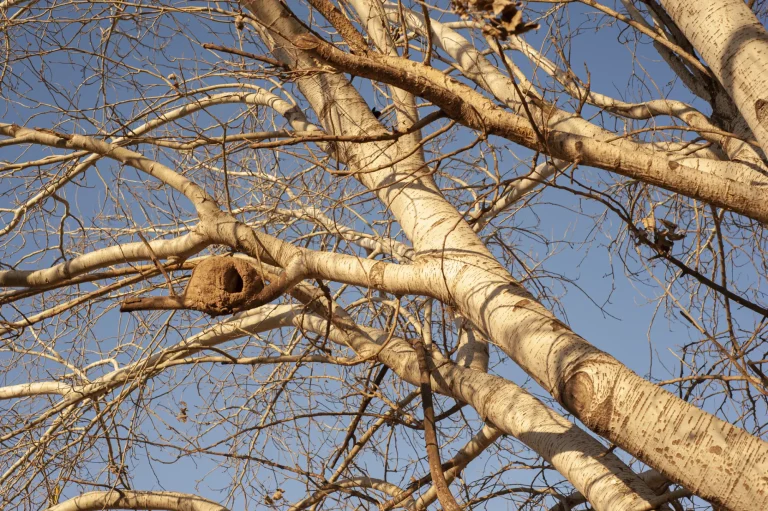
When a tree grows too tall or wide, it can create risks for nearby structures, power lines, or even the tree’s own stability. That’s where crown reduction comes in. This pruning method lowers the overall height or spread of a tree while keeping its natural form intact. In this guide, you’ll learn what crown reduction is, why it matters, and the best times and situations for using it.
What Is Crown Reduction?
Crown reduction is a pruning technique that reduces the size of a tree’s canopy by cutting back branches to a lateral growth point, usually a smaller side branch. Unlike topping, which leaves unsightly stubs and harms the tree, crown reduction preserves the natural shape while decreasing height or spread. This makes it a safer and healthier way to manage trees that have outgrown their space.

Benefits of Crown Reduction
Done correctly, crown reduction offers multiple benefits that go beyond appearance. It can improve safety, support long-term health, and protect property.
Here are the key advantages:
When to Use Crown Reduction
Not every tree or situation requires crown reduction, but there are times when it’s the best choice.
You might consider this technique if:
The Best Time of Year for Crown Reduction
Timing matters when it comes to pruning. Performing a crown reduction at the wrong time can stress the tree and slow recovery.
The ideal season is late winter to early spring, before new growth starts. The tree is dormant during this period, meaning less sap flow, lower pest risk, and quicker healing. Light corrective cuts can also be made in summer if needed, but avoid pruning during extreme heat, drought, or just before winter.
Tree Types Best Suited for Crown Reduction
Some species adapt better to crown reduction than others. Broadleaf hardwoods are generally more resilient, while conifers and certain delicate species may not respond as well.
Here’s a quick comparison:
| Tree Type | Examples | Suitability for Crown Reduction | Notes & Considerations |
|---|---|---|---|
| Hardwood (Deciduous) | Oak, Maple, Ash | Highly suitable | Responds well to structural reduction; strong regrowth patterns |
| Evergreen (Coniferous) | Spruce, Pine | Use with caution | Over-pruning can disfigure shape; may stress evergreen foliage |
| Ornamental Trees | Cherry, Dogwood | Moderately suitable | Works well if cuts are light and gradual |
Protect your trees and property with expert crown reduction.
Book a professional pruning service today for safe, precise cuts and long-term tree health.
How to Perform Crown Reduction
Crown reduction should always follow a careful, step-by-step process to protect both the tree and the person doing the work. Starting with the right tools and safety equipment is the best foundation for success.
Step 1: Gather the Right Tools and Safety Gear
Using the correct tools makes crown reduction safer and ensures clean, precise cuts.
Hand Tools You Will Need
Tool Care Tips
Essential Safety Gear
Site Prep Checklist
Rule of thumb: If branches are thicker than 10–15 cm (4–6 in) or require climbing, hire a certified arborist. DIY crown reduction should stay ground-based.
Step 2: Plan the Desired Reduction
Planning is what separates careful crown reduction from random cutting. Decide how much height and spread you want to remove before making any cuts.
General Guidelines
Step 3: Select the Branches to Remove
Choosing the right branches ensures the tree stays healthy and visually appealing.
Branches to Remove First:
What to Retain for Structure:

Step 4: Make Proper Cuts
The way cuts are made can either speed up healing or cause lasting damage. Bad cuts tear bark, leave wounds open to decay, or trigger weak regrowth.
The Three-Cut Method (for large branches):
- Undercut: About 15–30 cm (6–12 in) from the trunk, make a shallow cut upward, one-third through the branch. This prevents bark from tearing when the limb falls.
- Top cut: A few centimeters further out, cut down until the branch drops.
- Final cut at the branch collar: Remove the stub just outside the swollen area (the branch collar). Cutting here allows the tree to seal the wound naturally.
Smaller Cuts:
- For twigs and light branches, cut just above a healthy lateral bud or side branch.
- Angle the cut slightly outward, away from the bud, to encourage outward growth.
- Never cut flush against the trunk, and never leave long stubs. Both mistakes slow healing and invite disease.
Step 5: Maintain Proportion and Shape
Good crown reduction keeps the canopy natural while smaller.
Mistakes to Avoid:
Best Practices for Proportion:
Step 6: Aftercare and Long-Term Maintenance
Once crown reduction is complete, your job isn’t over. Trees need aftercare to recover, strengthen, and continue growing in a healthy way.
| Aspect | Key Actions | Why It Matters |
|---|---|---|
| Watering After Pruning | • Deep water during dry spells• 25–40 L (6–10 gal) weekly for mature trees• Apply water at drip line, not trunk | Fresh cuts increase water demand; steady moisture supports healing and new growth |
| Mulching for Root Health | • Spread 5–7 cm (2–3 in) organic mulch• Keep mulch 10–15 cm (4–6 in) away from trunk | Mulch conserves moisture, moderates soil temperature, reduces weeds, and prevents trunk rot |
| Monitoring Tree Health | • Inspect pruning sites monthly• Cuts should seal within weeks• Watch for pests (borers, scale) or fungal signs (oozing sap, dark bark) | Early detection prevents small issues from becoming major threats |
| Scheduling Future Pruning | • Fast growers: reduce every 2–3 yrs• Slow growers: 5–10 yrs• Use gradual, staged reductions | Maintains tree health, structure, and prevents stress from heavy cuts |
By combining proper watering, mulching, monitoring, and timely follow-ups, you’ll ensure your crown reduction not only looks good today but supports the tree’s long-term health and stability.
Protect your trees and property with expert crown reduction.
Book a professional pruning service today for safe, precise cuts and long-term tree health.
FAQ: Crown Reduction
Still have questions about crown reduction? Here are some quick answers to common concerns.
In Short,
Crown reduction is one of the most effective ways to control a tree’s height and spread without sacrificing its health or beauty. By following the right process—planning carefully, making clean cuts, and providing aftercare—you can extend the lifespan of your trees while keeping your property safer. Whether you need to reduce storm risk, protect buildings, or simply restore balance to your landscape, crown reduction is a proven solution that combines safety, health, and aesthetics.