Choosing the right tree trimming tools makes light pruning easier, cleaner, and safer. Different tools are designed for different branch sizes and situations, so using the wrong one can leave rough cuts, damage the tree, or put unnecessary strain on your hands and equipment. For homeowners handling small, accessible branches, knowing which tool to use can make all the difference.
The Best Tree Trimming Tools for Homeowners
You don’t need a garage full of specialized equipment to handle basic tree maintenance. A few well-chosen tools can cover most light trimming jobs, as long as you use each one for the type and size of branch it was designed to handle.
| Tool | Best for | Typical branch size |
|---|---|---|
| Hand pruners | Small twigs and branches | Up to ~¾ inch |
| Loppers | Medium branches | ~¾–2 inches |
| Pruning saw | Larger branches | ~2–5 inches |
| Pole pruner | Small branches out of reach | Depends on tool |
| Pole saw | Larger elevated branches | Depends on model |
Exact cutting capacity varies by tool and manufacturer, so check the specifications for your equipment.
Hand Pruners
Hand pruners are usually the best tree trimming tool for small branches and young growth that you can comfortably reach from the ground.
They are compact, easy to control, and designed to make precise cuts without removing more wood than necessary. Bypass pruners, which have two blades that pass each other like scissors, are generally well suited to clean cuts on live branches.
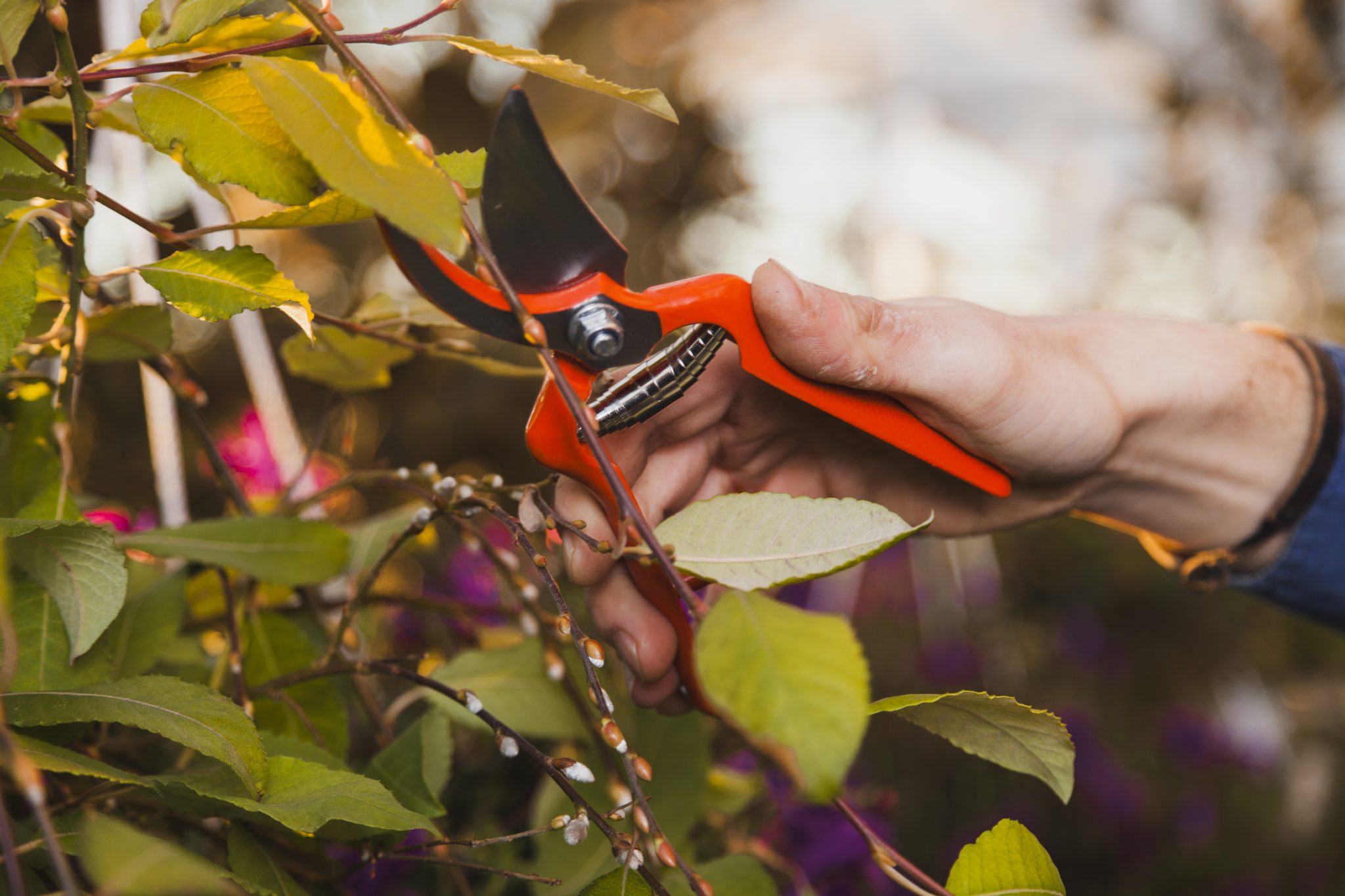
Best for: Small twigs and branches, generally up to about ¾ inch depending on the model.
Don’t force pruners through branches that are too thick. If you have to squeeze the handles excessively or repeatedly, move up to a larger tool.
Loppers
Loppers have longer handles than hand pruners, giving you more leverage for cutting thicker branches. They’re useful when a branch is too large for pruners but still small enough to cut without a saw.
Their longer handles can also give you a little extra reach, although they shouldn’t be treated as a substitute for proper equipment when branches are high overhead.
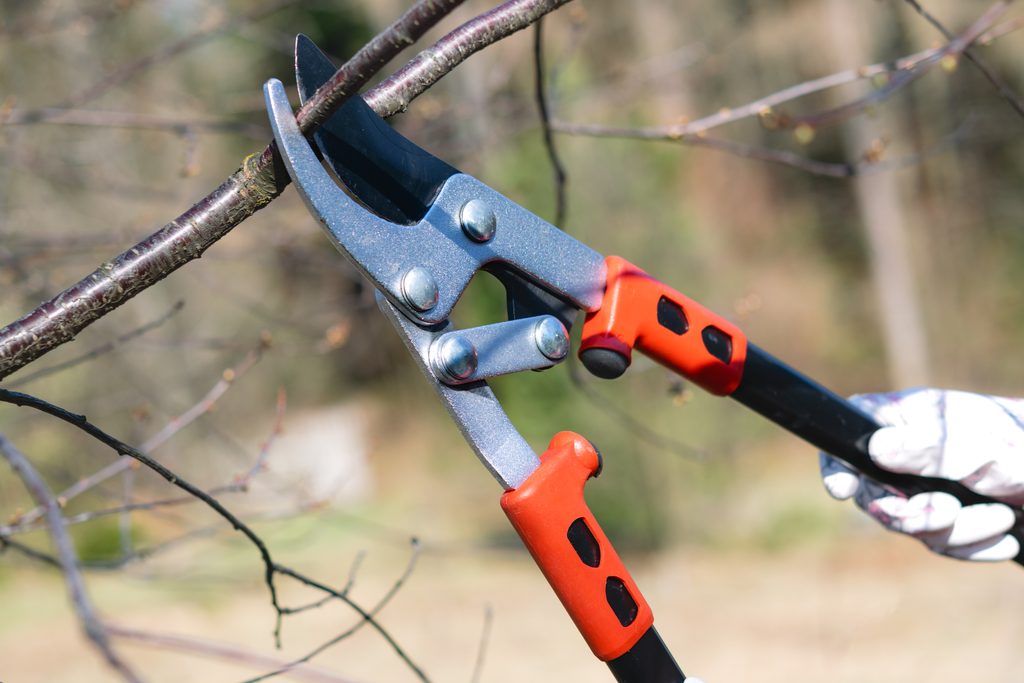
Best for: Branches roughly ¾ to 2 inches in diameter, depending on the lopper.
Pruning Saws
Once a branch is too large for loppers, a pruning saw is usually the appropriate tool for tree trimming. These saws are designed specifically for cutting wood and can handle larger branches without requiring the excessive force that can damage other pruning tools.
Folding pruning saws are convenient for occasional homeowner use, while fixed-blade saws can provide more stability for larger jobs.
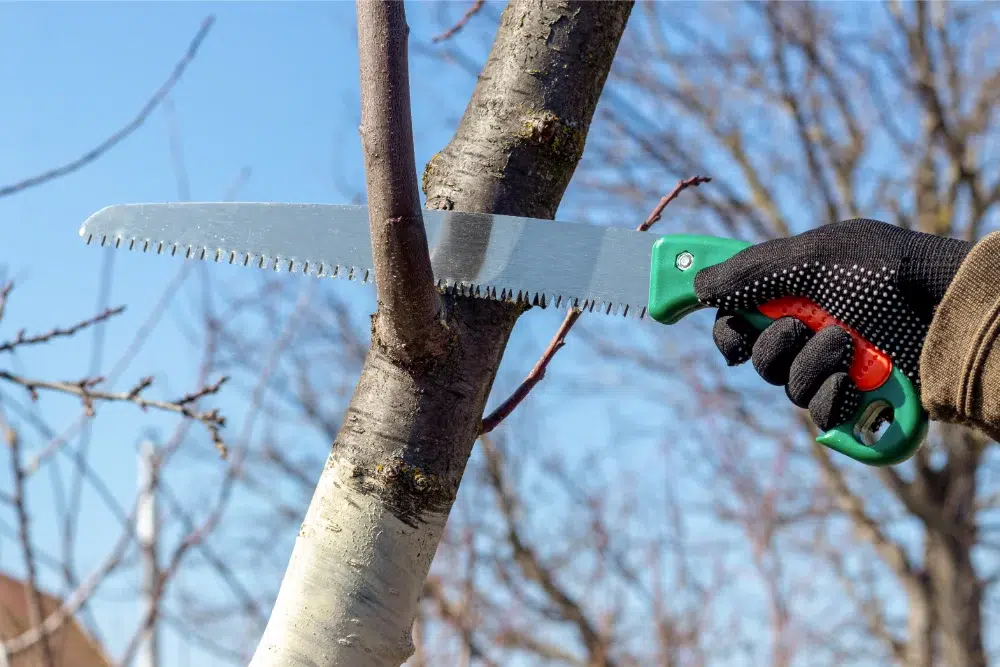
Best for: Branches roughly 2–5 inches in diameter, depending on the saw and the branch.
Pole Pruners
Pole pruners extend your reach so you can trim smaller branches without climbing a ladder. They typically combine a pruning head with a long pole and are useful for branches that are higher than you can comfortably reach from the ground.
A pole pruner can make an otherwise simple job more accessible, but height still matters. If a branch is unstable, difficult to reach, or positioned over a person, structure, or other hazard, a longer tool doesn’t necessarily make the job safe.
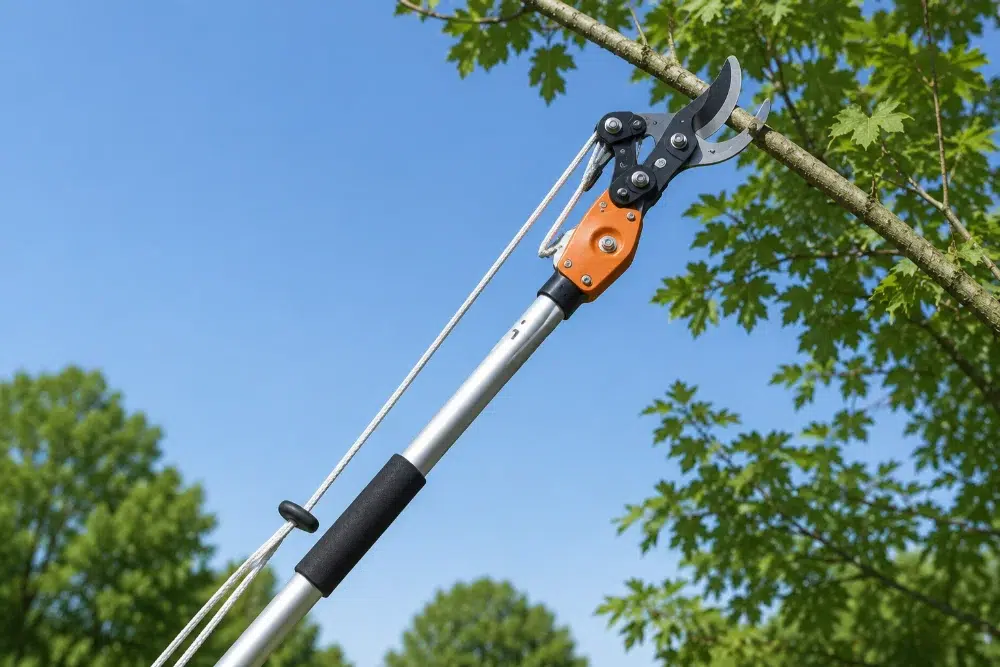
Best for: Smaller branches that are safely within the tool’s reach and cutting capacity.
Pole Saws
Pole saws combine a small saw with an extended pole, allowing you to cut larger branches higher in the tree. They’re more powerful than manual pole pruners and can be useful for certain branches that are beyond the reach of standard pruning tools.
However, elevated cutting introduces additional risks. Branches can fall unexpectedly, and powered saws require careful handling.
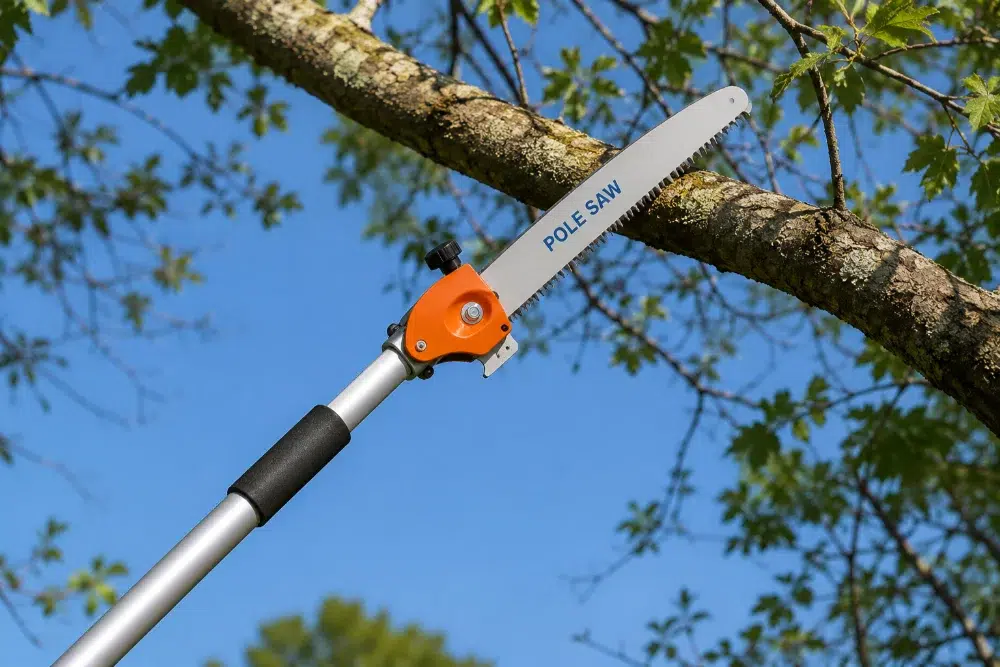
Best for: Larger elevated branches within the equipment’s specified cutting capacity.
If you need a ladder, chainsaw, or pole saw to reach a branch, consider whether the job is better suited to a professional.
Hedge Shears and Specialty Tools
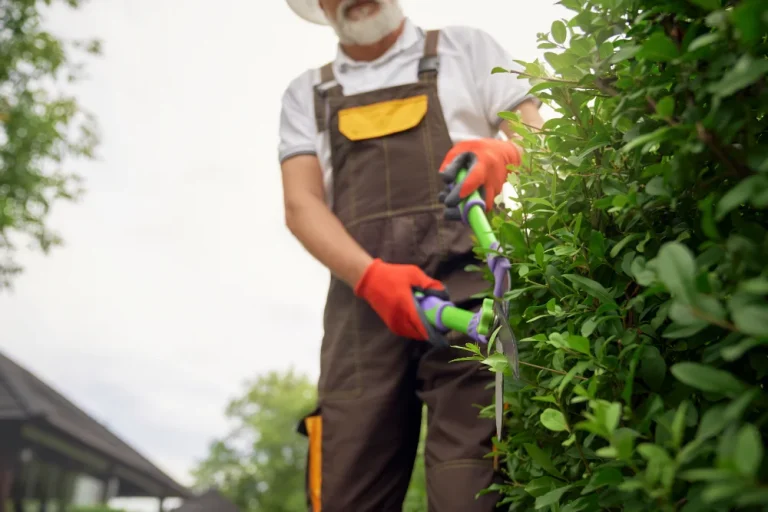
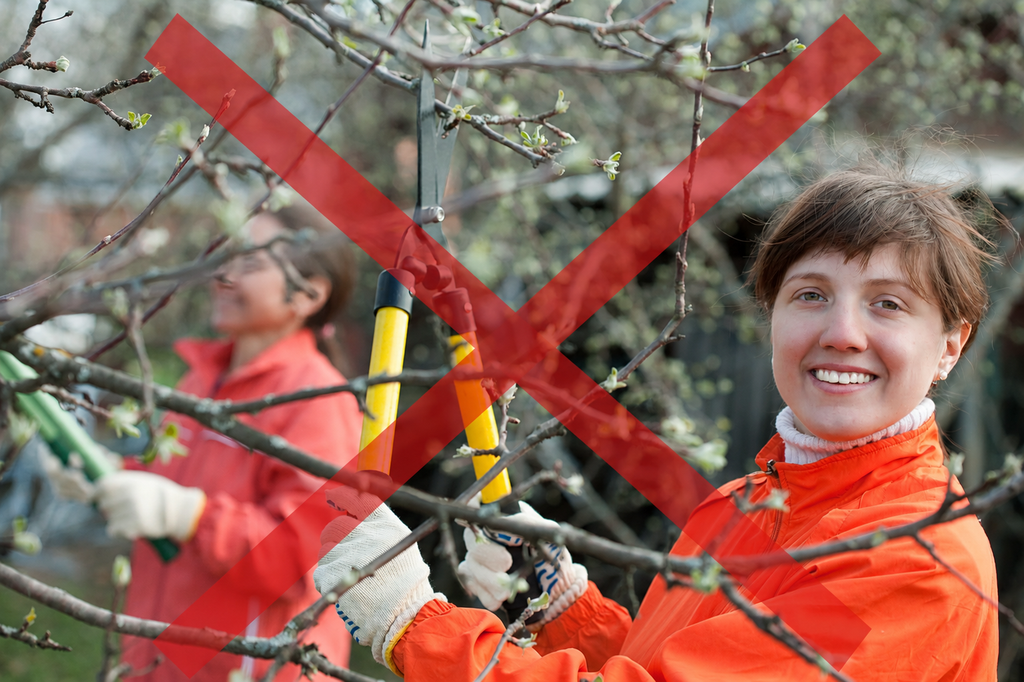
Hedge shears are designed primarily for shaping hedges and shrubs rather than making structural cuts on trees. Using them to repeatedly clip tree branches can create dense clusters of regrowth without addressing the tree’s actual structure.
For most homeowners, a small set of quality hand pruners, loppers, and a pruning saw will cover far more tree-trimming needs than a collection of specialty tree trimming tools.
Keeping Your Tree Trimming Tools in Good Condition
Even the best tree trimming tools won’t perform well if they’re dirty, dull, or poorly maintained. Regular maintenance keeps cuts cleaner, makes tools easier to use, and can help prevent plant diseases from being carried from one tree to another.
Keep Blades Sharp
Sharp blades cut through branches cleanly with less pressure. Dull blades can crush or tear wood instead of making a clean cut, which makes trimming harder on both you and the tree.
You don’t need to sharpen your tools after every use, but check the cutting edge regularly. If your pruners or loppers require noticeably more force than usual, or the blade leaves crushed or ragged cuts, it may be time to sharpen them.
If you’re unsure how to sharpen a particular tool, follow the manufacturer’s instructions or have it professionally serviced.
Clean Tools After Trimming
Sap, dirt, and plant debris can build up on cutting surfaces and moving parts. After trimming, wipe down the blades and remove any obvious buildup before putting the tools away.
For stubborn sap or residue, use an appropriate cleaner and a cloth or brush rather than leaving the buildup to harden.
For tools with moving parts, such as pruners and loppers, occasional lubrication can also help keep them opening and closing smoothly.
Sanitize Between Trees
Cleaning removes visible dirt and debris, but sanitizing your tree cutting tools is an additional step that can help reduce the risk of spreading plant pathogens between trees.
This is particularly important when you’re moving from a tree that appears diseased or unhealthy to another tree.
Before sanitizing, remove any visible dirt or sap so the disinfectant can properly contact the tool’s surface. Then apply an appropriate disinfectant according to the manufacturer’s instructions, paying attention to the recommended concentration and contact time.
Allow the tools to dry before storing them, and avoid leaving moisture on metal surfaces for long periods, as this can contribute to rust.
For more guidance on using equipment safely, see our guide to tree trimming safety.
When Tree Trimming Requires a Professional
Light trimming of small, accessible branches is often manageable for a homeowner with the right equipment. However, some jobs involve enough height, weight, or risk that specialized equipment and professional experience are warranted.
Call a Professional When:
Why Professional Equipment Matters
Professional arborists have access to specialized saws, climbing equipment, ropes, lifts, and protective equipment that aren’t practical for most homeowners. Just as importantly, they know how to assess the tree before cutting and determine which branches can be safely removed.
The right tree trimming tool can’t make an unsafe job safe.
If a trimming job involves significant height, heavy branches, power lines, or a chainsaw, it’s better to have the tree assessed by a qualified professional.
Need Help With a Tree Trimming Job?
SpinBlade’s professional arborists can assess your tree, determine which branches need attention, and carry out the work with the proper equipment and safety precautions.
Frequently Asked Questions
Still scratching your head? Here are quick answers to some of the most common questions people have.
In Short,
For most homeowners, a small set of quality hand pruners, loppers, and a pruning saw will handle the majority of light tree-trimming jobs. You don’t necessarily need a collection of specialty equipment, the best tool is simply the one that matches the size and location of the branch you’re cutting.
Knowing the best tree trimming tool for a branch is useful, but choosing not to DIY a hazardous job is just as important. If trimming requires climbing, specialized equipment, or removing large or potentially dangerous branches, professional help can protect both you and the tree.