


Tree trimming is more than just a way to make your garden look great, it’s a key step in keeping your trees healthy and thriving. Using the right tree trimming techniques can encourage growth, prevent disease, and even reduce the risk of falling branches. With the right approach, you can transform your outdoor space into a safer, more enjoyable haven.
What is Tree Trimming?
Tree trimming is the process of cutting back overgrown or unwanted branches to maintain a tree’s health, safety, and appearance. This practice helps prevent potential hazards, such as falling limbs, while encouraging balanced growth and ensuring the tree complements its surroundings. Proper tree trimming techniques are essential for preserving the tree’s structure and vitality over time.
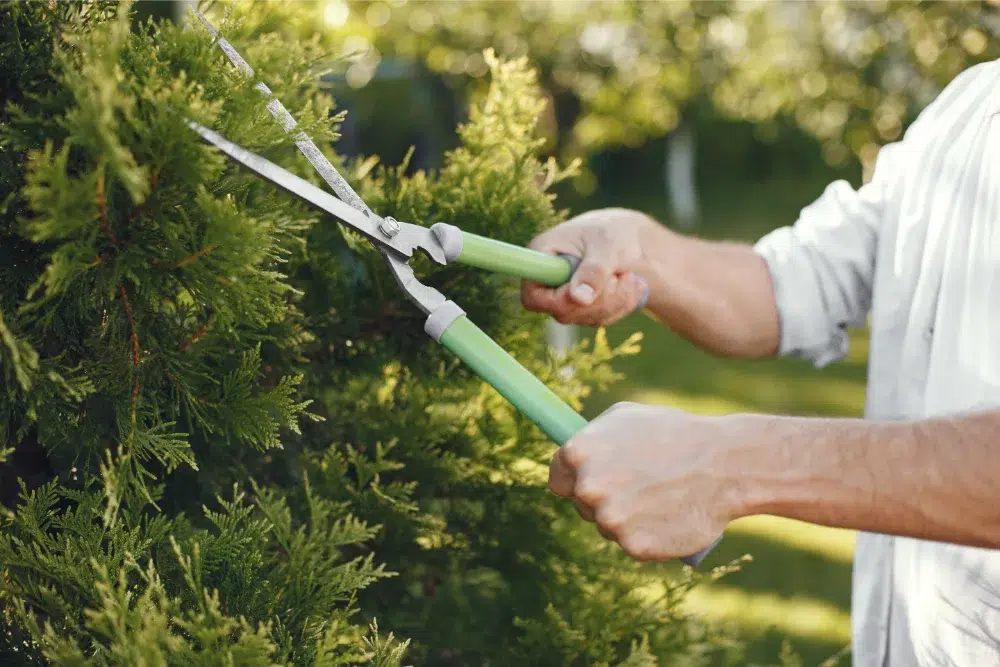
6 Best Tree Trimming Techniques
Tree trimming involves several techniques, each adapted to specific goals such as improving aesthetics, ensuring safety, or promoting healthy growth. Understanding these techniques helps maintain the structural integrity and beauty of your trees.
1. Shaping
Shaping is a tree trimming technique aiming to improve the tree’s natural form by selectively cutting branches to create a desired shape or contour. This technique improves the tree’s appearance and promotes balanced growth. However, improper shaping can lead to uneven growth or stress on the tree.
How to Do It:
- Identify the tree’s natural shape and determine the desired contour.
- Remove overgrown or crossing branches that disrupt the tree’s balance.
- Cut branches at a slight angle near the collar without damaging the trunk.
- Step back regularly to assess the shape and ensure symmetry.
2. Topping
Topping is a tree trimming technique that significantly reduces a tree’s height by cutting back large branches, often leaving stubs. Among tree trimming techniques, it is typically used to address safety risks, such as interference with power lines or nearby structures. However, this method is controversial due to its potential to weaken the tree and encourage vulnerable regrowth.
How to Do It:
- Assess if topping is the only viable solution for safety or property concerns.
- Identify the branches causing the issue and mark cut points.
- Use clean, sharp tools to cut branches back to stubs, leaving some buds intact for potential regrowth.
- Regularly inspect the tree’s recovery and address weak or diseased growth promptly.
Topping should always be considered a last resort and performed with care to minimize long-term damage to the tree.
3. Skirting
Skirting is a tree trimming technique that removes lower branches to create clearance beneath the tree canopy. This method is one of the most effective tree trimming techniques for improving accessibility, enhancing visibility, and promoting a better visual appeal by emphasizing its trunk and height. However, over-trimming can stress the tree and disrupt its natural balance.
How to Do It:
- Identify the branches to be removed, focusing only on those disrupting clearance or aesthetics.
- Start trimming at the base, working upward to ensure the tree retains its natural proportion.
- Cut branches at the collar to prevent damage and encourage proper healing.
- Regularly step back to assess the tree’s balance and avoid over-trimming.
4. Clearance Trimming
Clearance trimming is one of the tree trimming techniques that involves cutting back branches to prevent them from obstructing buildings, pathways, or utility lines. This technique ensures safe spaces and prevents damage to infrastructure while maintaining the tree’s structural integrity. It’s specifically aimed at addressing overgrowth that poses risks or creates inconvenience.
How to Do It:
- Assess areas where branches are too close to buildings, pathways, or power lines.
- Use sharp tools to cut back overhanging or interfering branches to a safe distance.
- Make cuts close to the branch collar to minimize harm and support healthy regrowth.
- Monitor tree growth regularly to ensure obstructions don’t recur.
5. Side Trimming
As one of the tree trimming techniques, side trimming targets branches growing laterally to control their spread and prevent interference with nearby structures, pathways, or other trees. This technique helps maintain the tree’s balance, shape, and overall health by redirecting growth away from undesired areas.
How to Do It:
- Identify lateral branches growing toward unwanted areas, like walls or other trees.
- Make clean cuts at healthy branching points, avoiding stubs or tearing the bark.
- Step back periodically to ensure the tree retains a natural, balanced shape.
- Inspect the tree for any signs of disease or stress following the trimming.
6. Directional Trimming
Directional trimming is one of the tree trimming techniques used to guide the growth of branches in a specific direction. This method is often applied to prevent interference with power lines or buildings, or to shape trees to fit seamlessly into a landscape design. By strategically trimming branches, this technique ensures the tree grows safely and maintains its structural integrity.
How to Do It:
- Identify branches growing in directions that conflict with the desired outcome.
- Use clean, sharp tools to trim branches back to a lateral branch or bud that supports the desired growth direction.
- Avoid cutting too much at once to minimize stress on the tree.
- Monitor growth regularly to ensure the tree follows the intended path and make adjustments as needed.
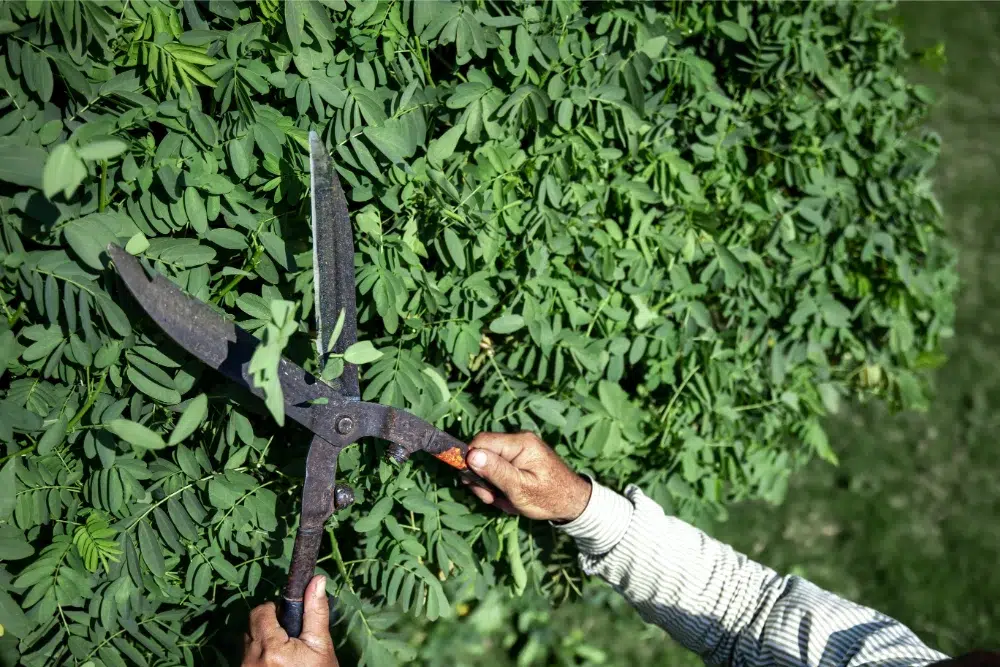
How to Choose the Best Tree Trimming Technique?
Selecting the best tree trimming techniques depends on your goals, the tree’s health, species, and specific growth or safety concerns. The table below outlines different techniques, their pros, cons, decision factors, and the situations they are best suited for:
| Technique | Pros | Cons | Factor of Decision | Best For |
| Shaping | Enhances aesthetics, promotes balanced growth. | Requires precision; over-trimming can weaken the tree. | Focus on tree appearance and maintaining balance. | Ornamental trees or trees needing a defined shape. |
| Topping | Reduces height, addresses safety concerns for tall trees. | Weakens tree structure; encourages weak regrowth. | Used as a last resort for safety or size control. | Tall trees posing risks to structures or power lines. |
| Skirting | Improves clearance and highlights the trunk. | Over-trimming can stress the tree and reduce photosynthesis. | Prioritize accessibility and visual impact. | Trees near walkways, driveways, or requiring clear lower canopies. |
| Clearance Trimming | Protects buildings, pathways, and utility lines. | Requires regular maintenance to prevent overgrowth. | Focus on safety and preventing obstruction. | Trees near homes, utility lines, or frequently used paths. |
| Side Trimming | Maintains balance and prevents lateral overgrowth. | Improper cuts can lead to disease or imbalance. | Address lateral interference with nearby objects. | Trees growing near walls, fences, or neighboring plants. |
| Directional Trimming | Guides growth away from structures or into desired shapes. | Requires expertise to avoid mistakes and irregular growth. | Focus on long-term growth management. | Trees near power lines, buildings, or integrated into specific landscape designs. |
Key Considerations:
- Tree Health: Remove diseased or dead branches immediately. Use techniques like clearance trimming or topping for urgent safety concerns.
- Species-Specific Needs: Consider when and how a species thrives. For example, flowering trees are best trimmed after blooming.
- Purpose: Identify your goal—whether it’s shaping, size control, or improving safety.
- Growth and Safety: Ensure young trees are shaped for future growth and trim near hazards with care.
Choosing the right tree trimming techniques ensures long-term health, beauty, and safety for your trees.
Tree Trimming Applications and Process
Tree trimming is essential for maintaining the health, safety, and aesthetic value of trees. Whether done by homeowners or professionals, understanding different approaches, safety measures, and tools can guide you effectively through this process. Explore the detailed steps and precautions needed for successful tree trimming.
DIY Vs. Professional Tree Trimming
Deciding between DIY and professional tree trimming depends on the complexity of the task and your level of expertise. DIY tree trimming is cost-effective and manageable for smaller trees if you have basic knowledge and proper tools. However, professionals offer expertise, specialized equipment, and safety measures that are crucial for large trees or intricate tasks, ensuring healthy and precise results with minimal risk.
If you need tree trimming services, don’t hesitate to contact us, we serve many locations across Ottawa!
Provide Your Trees with the Care They Need!
Ready to enhance your landscape and ensure the health and safety of your trees? Let our experts handle your tree trimming needs with precision and care. Contact us today for a consultation!
Tree Trimming Safety
Tree trimming safety is essential to prevent accidents and ensure effective work. Always wear protective gear, secure ladders on stable ground, and avoid working in adverse weather conditions. Be mindful of electrical wires, falling branches, and proper tool handling to keep yourself and those around you safe during the process.
Tree Trimming Tools
Using the right tools is essential for effective tree trimming techniques, as they ensure precise cuts and promote healthy regrowth. Whether you’re tackling basic tasks or more complex jobs, having the appropriate equipment makes the process safer and more efficient.
Basic Tree Trimming Tools:
- Hand Pruners: Ideal for trimming small branches and twigs with precision.
- Loppers: Designed for cutting medium-sized branches, offering greater leverage and reach.
- Handsaws: Best suited for larger branches, ensuring clean and smooth cuts.
Advanced Tools for Complex Tasks:
- Chainsaws: Useful for cutting thicker branches but require careful handling and safety precautions.
- Pole Saws: Allow you to reach high branches without climbing, reducing risks.
- Hydraulic Lifts: Used by professionals to safely access tall or hard-to-reach areas.
Steps to Do Tree Trimming
Proper tree trimming techniques are essential for maintaining the health, safety, and beauty of your trees. Following a structured approach ensures effective results while minimizing stress on the tree.
Here’s how to do proper tree trimming:
- Assess the Tree: Examine the tree to identify dead, diseased, or crossing branches that need removal.
- Plan Your Cuts: Decide which branches to trim based on the tree’s structure and desired outcome.
- Trim Dead or Problematic Branches: Use clean, angled cuts to remove unwanted branches and encourage proper healing.
- Raise the Crown if Necessary: Remove lower branches to improve clearance, ensuring a balanced and symmetrical look.
- Limit Foliage Removal: Avoid cutting more than 25% of the tree’s foliage in a single season to reduce stress.
- Inspect the Tree: Check the tree after trimming to ensure it remains balanced and healthy.
- Clean Up Debris: Clear away trimmed branches and other debris to leave the area tidy.

Cost of Tree Trimming
The average cost of tree trimming in Ottawa is around $460, with prices ranging from $75 to $2,000 depending on factors such as tree size, type, and accessibility. Larger trees or those in hard-to-reach areas tend to cost more, while smaller trees are less expensive to maintain. In our next blog post, we’ll dive deeper into these pricing factors and explore how they influence the overall cost of tree trimming services.
Frequently Asked Questions
This section addresses important aspects of tree trimming, including optimal timing, techniques, and safety considerations to ensure your efforts improve tree health.
What is the most suitable season to prune trees for optimal growth?
The best time to prune most trees is during the dormant season, typically in late winter. This timing helps promote new growth in the spring, reduces stress on the tree, and improves healing.
Can you provide guidance for beginners on proper tree trimming techniques?
Beginners should start with clean, sharp tools to make precise cuts. Focus on removing dead or diseased branches, and always cut just outside the branch collar to promote proper healing. Avoid cutting more than 25% of a tree’s foliage at a time.
What are the key differences between pruning and trimming a tree?
Pruning involves removing branches to enhance the tree’s structure and health, while trimming is generally done for aesthetic reasons. Pruning often targets dead or diseased limbs, whereas trimming may involve shaping the tree or maintaining a specific size.
How can you safely trim a tree that has grown too tall?
For a tall tree, use a telescopic pole pruner or hire a professional arborist to access high branches safely. Ensure you’re using proper safety equipment like helmets and gloves, and never tackle branches near power lines on your own.
What are the critical parts of a tree that should be avoided when cutting?
Avoid cutting into the branch collar, as it is crucial for wound healing. The root system should also be untouched during trimming to maintain the tree’s stability. Avoid removing any main structural branches that can compromise the tree’s integrity.
How should you approach trimming a tree to ensure its health is not compromised?
Start by assessing the tree’s overall structure and identifying dead or crossing branches. Make clean cuts to prevent disease entry, and gradually work your way from the top down. Consistently evaluate the tree during trimming to maintain balance in the canopy. Consider seasonal timing to reduce stress.
Conclusion
Regular tree trimming is essential for keeping your trees healthy, safe, and visually appealing. By applying proper tree trimming techniques, you can promote healthy growth, improve structural integrity, and enhance the overall beauty of your landscape. If you’re in the Ottawa region, check out our professional tree trimming services to ensure your trees get the expert care they deserve!
Provide Your Trees with the Care They Need!
Ready to enhance your landscape and ensure the health and safety of your trees? Let our experts handle your tree trimming needs with precision and care. Contact us today for a consultation!


