Fall is one of the most beneficial times of year to support healthy trees, but applying fertilizer at the wrong moment can do more harm than good. When to apply fall fertilizer depends less on the calendar and more on your tree’s growth cycle, soil conditions, and local weather. In Ottawa and across Ontario, the ideal window is after active growth has slowed but before the ground freezes, allowing roots to absorb nutrients before winter dormancy. Understanding this timing helps trees enter winter stronger and better prepared for vigorous spring growth.
Why Fall Is the Best Season for Many Ontario Trees
Although spring is often associated with plant growth, fall is an equally important season for tree care. As temperatures cool, trees shift their energy away from producing new leaves and branches and instead focus on strengthening their root systems and storing nutrients. Knowing when to apply fall fertilizer during this transition helps ensure those nutrients are available when the tree can use them most effectively.
What Happens Inside a Tree During Fall
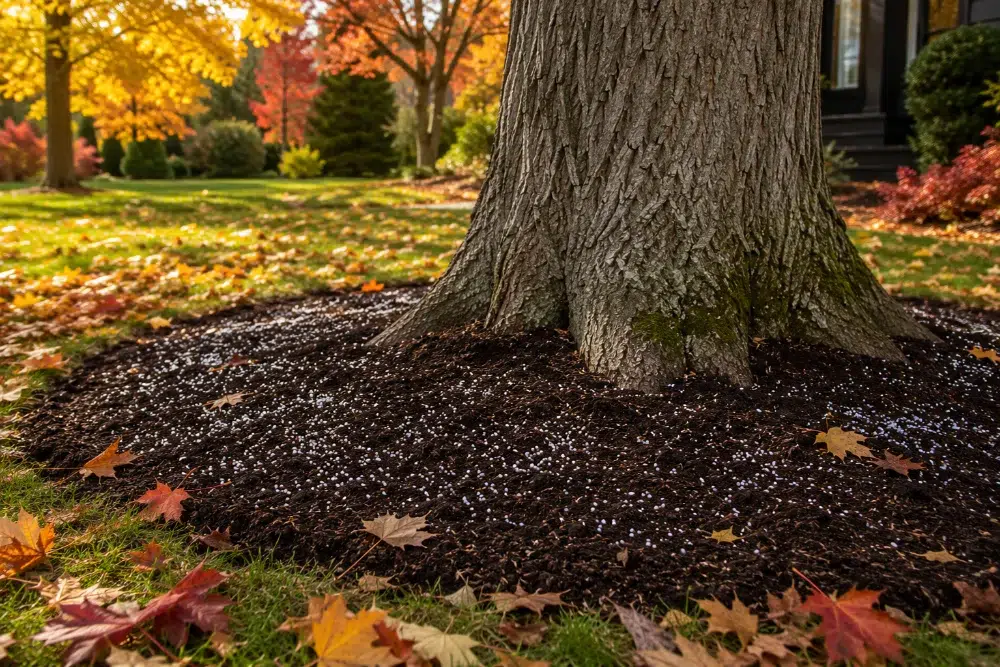
As daylight hours shorten and temperatures begin to drop, deciduous trees prepare for dormancy. Leaves gradually stop producing as much energy, annual shoot growth comes to an end, and the tree begins redirecting carbohydrates and nutrients into its roots for storage.
Unlike the visible parts of the tree, roots often remain active well into autumn while soil temperatures stay above freezing. During this period, roots continue absorbing water and nutrients, making fall an excellent opportunity to support healthy root development without encouraging unnecessary top growth.
This seasonal transition is one of the main reasons the best time to fertilize trees is often in the fall rather than during periods of rapid spring growth.
| Season | What’s Happening Inside the Tree | Should You Fertilize? |
|---|---|---|
| Late Summer | Active shoot and leaf growth | Usually wait |
| Early Fall | Growth begins slowing | Monitor conditions |
| Mid to Late Fall | Root activity continues while top growth has stopped | Ideal timing |
| Frozen Ground | Root activity largely stops | Too late |
Why Timing Matters More Than Fertilizer Type
Choosing a quality fertilizer is important, but applying it at the correct time has an even greater impact on its effectiveness. Fertilizer works best when trees are naturally storing nutrients rather than directing energy toward producing fresh leaves and shoots.
Waiting for the right stage of the growing season allows nutrients to support root health and improve the tree’s ability to withstand winter stress. Applying fertilizer outside this window may reduce its benefits or even create unnecessary risks.
Fertilizing Too Early
Applying fertilizer while a tree is still actively growing can encourage new shoots that may not have time to harden before freezing temperatures.
Waiting until growth has slowed allows the tree to direct nutrients toward root development instead of producing new growth.
Fertilizing Too Late
Waiting until the ground is frozen is just as ineffective. As soil temperatures drop, root activity slows, reducing the tree’s ability to absorb nutrients before winter.
Applying fertilizer before the first hard frost allows roots to take up nutrients while they are still active, giving the tree the greatest benefit before dormancy.
When to Apply Fall Fertilizer in Ontario
While there is no single calendar date that works every year, Ontario’s climate follows a fairly predictable pattern that helps determine the ideal fertilization window. Rather than watching the calendar alone, pay attention to your tree’s seasonal changes and the local forecast. This approach leads to healthier root development and better long-term results than fertilizing on a fixed date every autumn.
The Typical Ottawa Timing Window
In most parts of Ottawa and eastern Ontario, the ideal period for when to apply fall fertilizer in Ontario falls between late September and late October. By this point, daytime temperatures have cooled, most trees have slowed their visible growth, and the soil is still warm enough for roots to remain active.
However, weather patterns can shift from year to year. A mild autumn may extend the window by a week or two, while an early cold snap can shorten it considerably. Instead of aiming for a specific date, look for the combination of slowing growth and unfrozen soil.
Soil conditions are often a better indicator than the calendar. As long as the ground remains workable and roots are still active, trees can continue taking up nutrients that support healthy overwintering.
Signs Your Tree Is Ready For Fertilizing
Every tree reaches dormancy a little differently, but several visible signs can help you recognize when the timing is right. These indicators are often more reliable than simply waiting for a certain month.
| Sign | What It Means |
|---|---|
| Leaves are changing colour | Photosynthesis is slowing, and the tree is preparing for dormancy. |
| Leaves are beginning to fall | Active top growth has largely finished. |
| No new soft shoots are forming | Energy is shifting below ground rather than into new branches. |
| Cool days and chilly nights are consistent | Autumn conditions are well established. |
| The ground is still unfrozen | Roots can continue absorbing water and nutrients. |
Seasonal cues provide a much more accurate answer than relying on a specific date every year. Trees respond to environmental conditions, not the calendar.
Keep Your Trees Healthy in Every Season
SpinBlade provides expert arborist services throughout Ottawa to help your trees stay healthy through every season. Get in touch today to discuss the best care plan for your property.
Which Trees Benefit Most From Fall Fertilization?
Not every tree requires fertilizer every year, but many landscape trees can benefit when nutrients are applied at the right time and for the right reasons. Factors such as a tree’s age, growing conditions, recent stress, and soil quality all influence whether fall fertilization is worthwhile.
At a Glance
| Tree Type | Fall Fertilization Benefit | Recommendation |
|---|---|---|
| Newly planted trees | Can support root establishment if nutrients are needed | Assess soil before fertilizing |
| Mature landscape trees | Often beneficial in nutrient-poor or compacted soils | Fertilize only if the tree shows signs of need |
| Healthy established trees | Usually little benefit from routine fertilization | Soil testing is recommended before applying fertilizer |
Young Trees
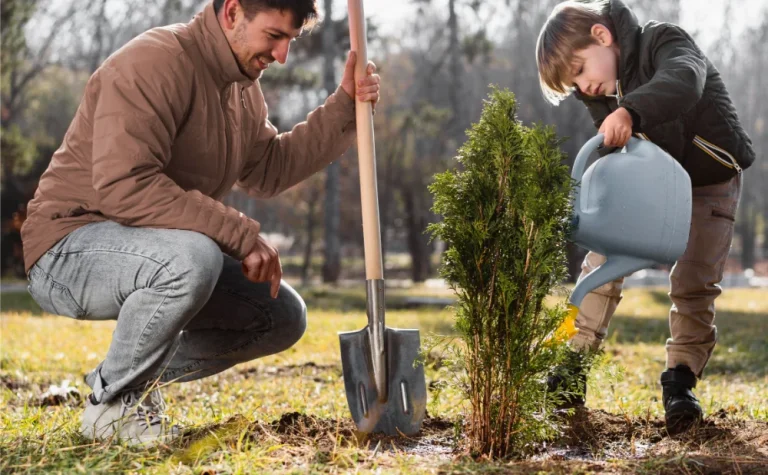
Young trees spend much of their energy establishing a healthy root system after planting. A properly timed fall application can support root development before winter, helping the tree emerge stronger the following spring.
That said, newly planted trees should not automatically be fertilized. If the planting site already contains nutrient-rich soil or compost, additional fertilizer may be unnecessary. An arborist can determine whether tree fertilization is appropriate based on the tree’s condition, species, and surrounding soil.
A newly planted tree is more likely to benefit from proper watering and mulching than from unnecessary fertilizer during its first growing season.
Mature Landscape Trees
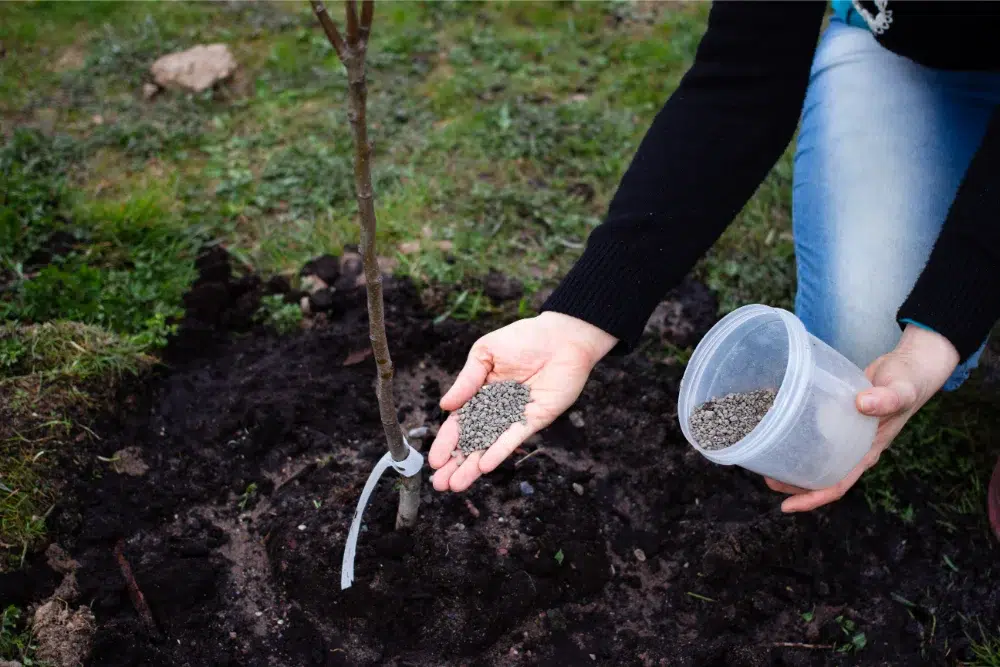
Established trees often benefit from fall fertilization when they are growing in compacted urban soils, recovering from drought, or showing signs of nutrient deficiencies. Unlike forest trees, landscape trees compete with lawns, sidewalks, driveways, and construction-disturbed soils that can limit natural nutrient availability.
When fertilizing a tree, the goal is not to encourage rapid growth but to improve long-term health and resilience. A balanced approach helps mature trees store nutrients over winter so they can support healthy leaves, branches, and root growth the following season.
Trees That May Not Need Fertilizer
Healthy, well-established trees growing in fertile soil often require little or no supplemental fertilizer. Applying nutrients unnecessarily will not automatically make a healthy tree grow faster and, in some cases, may create excessive growth that requires additional maintenance.
Many homeowners also wonder how often to fertilize a tree. The answer depends on the tree’s condition rather than a fixed schedule. Some trees benefit from periodic applications after a soil test identifies nutrient deficiencies, while others may go many years without requiring fertilizer.
As a general rule:
There is no universal answer for how many times to fertilize a tree throughout its lifetime. Fertilization should respond to the tree’s needs, environmental conditions, and overall health instead of following an annual routine.
DIY vs Professional Fall Tree Fertilization
Applying fertilizer may seem straightforward, but knowing whether your tree actually needs it is often the biggest challenge. Using the wrong product, applying too much, or fertilizing at the wrong time can do more harm than good.
Professional assessments are recommended when:
Healthy trees require more than fertilizer alone. Proper watering, pruning, pest monitoring, and regular inspections all contribute to stronger growth and a longer lifespan. As part of our comprehensive tree care services, SpinBlade can evaluate your trees, determine whether fertilization is appropriate, and recommend the right treatment based on your property’s conditions, helping you avoid unnecessary applications while giving your trees the best chance to thrive.
Book a Tree Health Assessment
SpinBlade’s certified arborists can assess your trees, identify nutrient deficiencies, and recommend the right care at the right time. Contact us today to schedule a professional tree health assessment and keep your landscape healthy year-round.
Frequently Asked Questions
Still scratching your head? Here are quick answers to some of the most common questions people have.
In Short,
Knowing when to apply fall fertilizer is about understanding your tree’s natural growth cycle rather than following a date on the calendar. Throughout Ontario, the ideal window typically arrives after above-ground growth has slowed but before the soil freezes, allowing roots to absorb nutrients and prepare for winter. Watching for signs such as slowing growth, leaf drop, and unfrozen soil will help you make better decisions year after year. When in doubt, consulting a certified arborist can ensure fertilization is timed correctly and tailored to your tree’s specific needs.