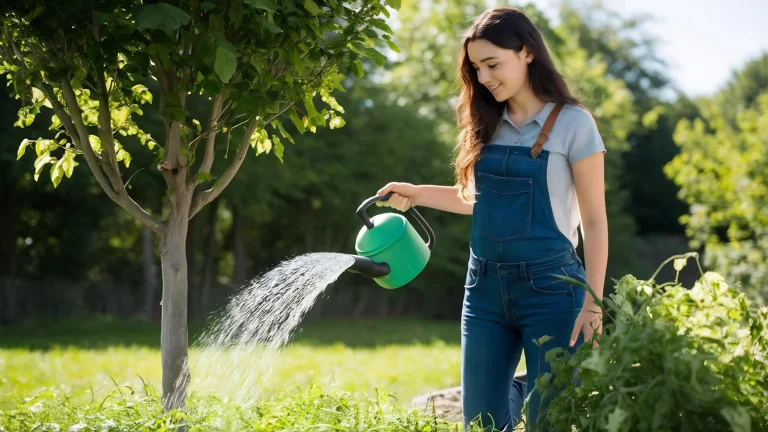
When it comes to tree care, one question comes up more than any other: Is caring for trees really as simple as watering and pruning? To find out, we’ve spent years observing, testing, and refining techniques in every season and condition.
What we’ve learned might surprise you; good tree care isn’t just maintenance, it’s a year-round strategy that shapes a tree’s health for decades.
TL;DR
- Tree care isn’t just about looks, it’s essential for long-term tree health, safety, and property value.
- Consistent pruning, watering, and soil management build strong roots and resilient branches.
- Seasonal care keeps trees thriving through heat, storms, and cold.
- Early disease detection and treatment prevent costly losses and protect surrounding plants.
- Different species, ages, and conditions require adapted maintenance for best results.
- Working with tree care experts ensures your trees get exactly what they need.
What is Tree Care?
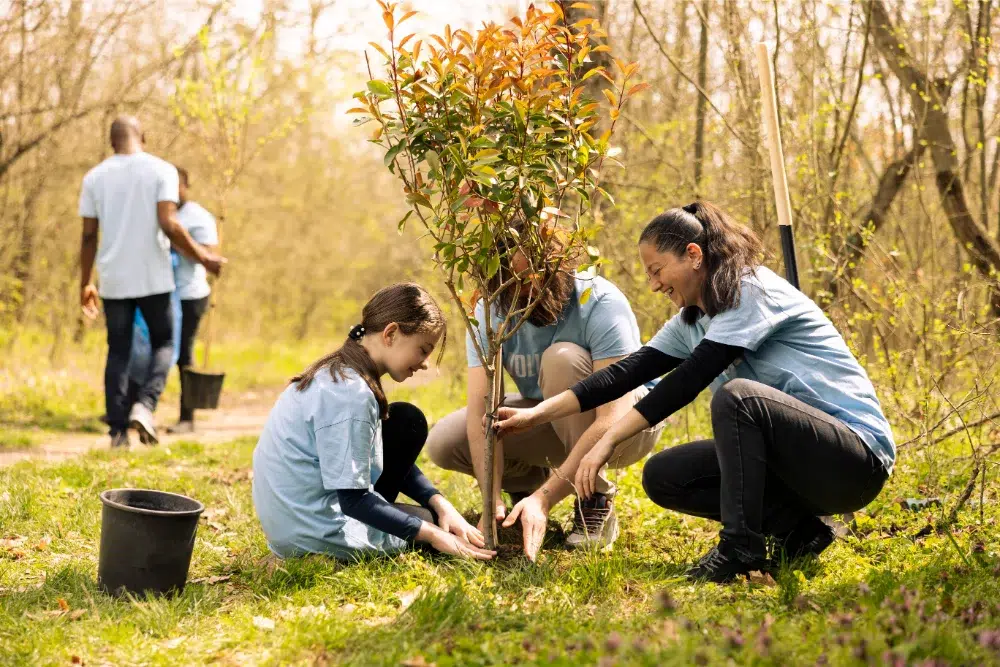
Tree care is the practice of maintaining and improving the health, appearance, and safety of trees through proper watering, pruning, feeding, and protection. It’s about giving trees what they need at the right time, from their roots to their canopy, so they can grow strong and live longer. Done right, tree care turns your landscape into a thriving, vibrant space that stands out in every season.
Benefits of Tree Care
Caring for your trees isn’t just about looks, it’s an investment in the health of your landscape and the value of your property. Proper tree care delivers benefits that go beyond what you see above the ground.
Elements of Tree Care
Tree care is made up of several practices, each serving a unique role in keeping trees healthy, safe, and beautiful. Below, we’ll break down the core elements that work together to protect your trees and improve your landscape.
1. Tree Pruning & Trimming
Pruning and trimming are two of the most important practices for keeping trees healthy, safe, and looking their best. While the terms are often used together, they each serve different purposes in overall tree care.
Tree Pruning
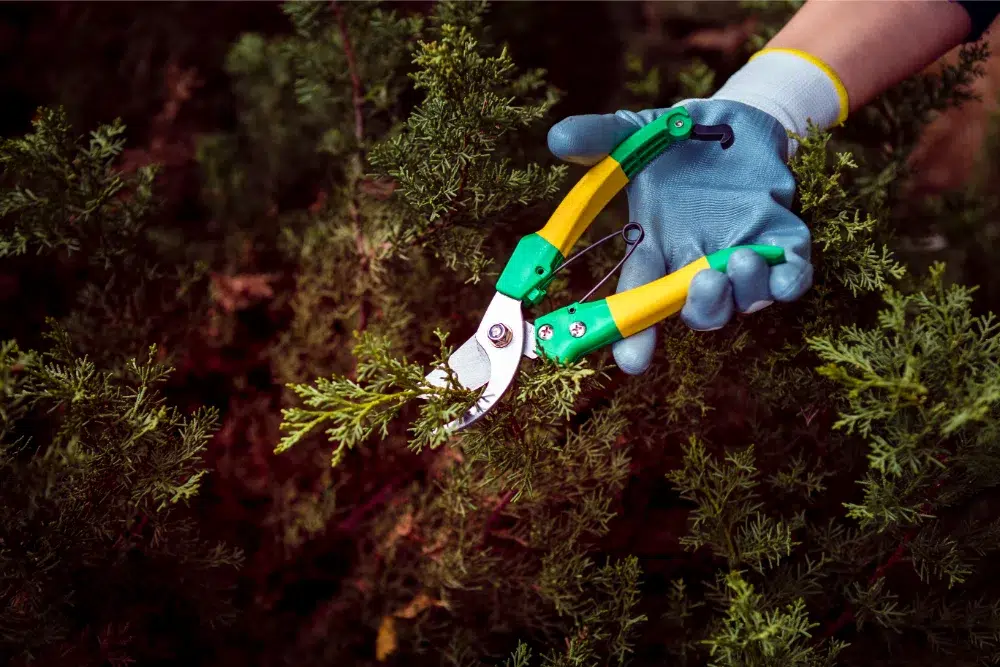
Tree & shurb pruning focuses on removing dead, diseased, or damaged branches to improve a tree’s health and structure. It’s a precise process aimed at guiding growth, and helping the tree thrive for years to come.
Benefits & Importance:
Tree Trimming
Tree trimming is primarily about maintaining the tree’s appearance and controlling its size. It involves cutting back overgrown branches to encourage even growth and improve sunlight penetration.
Benefits & Importance:
2. Tree Health Assessment
In tree care, a tree health assessment is one of the most effective ways to ensure your trees stay strong and resilient. It’s a professional evaluation that examines a tree’s overall condition, from the root system to the canopy, identifying signs of disease, pest infestations, nutrient deficiencies, or structural issues. Regular assessments allow problems to be addressed before they become costly or irreversible.
Benefits & Importance
When Do You Need It?
3. Hedge Trimming
Hedge trimming shapes and maintains hedges for both health and appearance. It involves cutting back overgrowth, removing dead foliage, and encouraging dense, healthy growth. Proper trimming keeps hedges looking neat and functioning as effective privacy screens or windbreaks.
Benefits & Importance
4. Tree Cutting/Removal
Tree removal and tree cutting are the safe, controlled removal or felling of a tree when it poses a safety risk, is diseased beyond recovery, or interferes with construction or landscaping plans. It requires proper tools and techniques to avoid property damage and ensure safety. Consider hiring a professional for tree removal services as this process needs careful attention.
Benefits & Importance
5. Stump Grinding & Stump Removal
When a tree is cut down, the remaining stump can be more than just an eyesore, it can invite pests, cause safety hazards, and get in the way of new landscaping. In tree care, there is stump grinding and removal to deal with these problems.
Stump Grinding
Stump grinding uses a specialized machine to shred the stump into small wood chips or mulch. The process leaves the roots but grinds the stump below soil level, making it invisible and safe.
Benefits & Importance:
Stump Removal
Stump removal involves extracting the entire stump along with its root system from the ground. This is a more intensive process but ensures the stump and roots are completely gone.
Benefits & Importance:
6. Tree Maintenance
Tree maintenance is a core part of effective tree care services, focusing on the ongoing actions that keep trees healthy, safe, and thriving all year long. It combines regular inspections, pruning, fertilizing, pest management, and seasonal adjustments to address each tree’s unique needs. Consistent maintenance not only extends a tree’s lifespan but also ensures it remains a valuable and beautiful part of your landscape.
How to Maintain Your Trees:
- Inspect regularly: Look for signs of disease, pests, or structural damage at least once each season.
- Prune when necessary: Remove dead, damaged, or overcrowded branches to encourage healthy growth.
- Fertilize strategically: Provide essential nutrients based on soil tests and the tree’s growth stage.
- Control pests and diseases: Monitor for early signs of infestation or infection and treat promptly.
- Adjust watering: Adapt watering schedules to seasonal weather changes and the tree’s age.
- Mulch around the base: Apply mulch to retain soil moisture, regulate temperature, and suppress weeds.
- Protect during harsh weather: Use supports, wraps, or windbreaks for vulnerable young trees.
Hire a professional tree maintenance services specialist if you need help with this step, as it involves careful attention.
7. Tree Disease Treatment
Tree disease treatment is the process of identifying, managing, and preventing infections caused by fungi, bacteria, or viruses that can harm a tree’s health and lifespan. It involves diagnosing the specific disease, applying targeted solutions, and making environmental changes to help the tree recover and resist future problems.
| Tree Disease | How It’s Treated |
|---|---|
| Anthracnose | Prune affected branches, improve air circulation, and apply fungicides in early spring. |
| Powdery Mildew | Remove infected leaves, increase sunlight exposure, and use sulfur-based fungicides. |
| Root Rot | Improve soil drainage, remove severely affected roots, and apply appropriate fungicides. |
| Fire Blight | Prune infected areas during dormancy, disinfect tools, and apply antibacterial sprays. |
| Canker Disease | Cut out affected bark and wood, disinfect tools, and improve overall tree health through proper watering and fertilization. |
| Leaf Spot | Remove fallen leaves, apply fungicides during wet seasons, and increase air flow around the tree. |
| Rust | Remove infected leaves, avoid overhead watering, and apply fungicides during early infection stages. |
If your trees have any pests or diseases, don’t hesitate to contact us for our tree disease treatment service.
8. Soil Management
Soil management in tree care is all about creating the ideal environment for roots to grow strong and healthy. It involves actions like testing the soil to understand its nutrient levels and pH, adding organic matter or fertilizers to boost fertility, improving drainage or aeration, and ensuring the soil can hold enough moisture without becoming waterlogged.
These steps give trees the essential nutrients and structure they need to develop resilient roots, fight off diseases, and withstand environmental stress. Without proper soil management, even the most well-planted tree can struggle, making it a critical foundation for long-term tree health and vitality.
Here’s a list of ideal soil conditions for healthy tree growth that fits naturally with the tree care focus:
If you need either residential or commercial tree care services, don’t hesitate to contact us through the button below.
Ready to Give Your Trees the Care They Deserve?
We’ll assess your trees from roots to canopy, pinpoint problems, and deliver the right treatments to restore health and protect your landscape.
9. Mulching
Mulching is one of the simplest and most effective practices in tree care, yet it’s often overlooked. Applying a layer of organic material around the base of a tree creates a protective buffer that supports root health, regulates soil temperature, and reduces competition from weeds. When done correctly, mulching works hand-in-hand with soil management and watering to give trees the stable, nutrient-rich environment they need to thrive year-round.
Benefits & Importance
10. Tree Watering
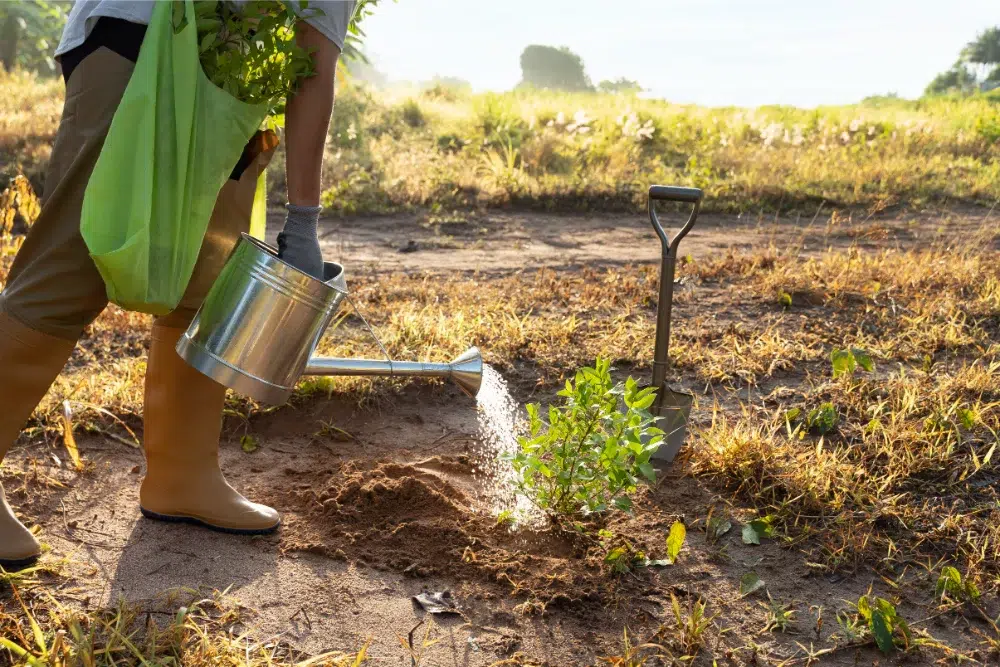
Tree watering is one of the most essential parts of tree care, ensuring that roots get the right amount of moisture to support healthy growth. Water helps transport nutrients, maintain leaf and stem structure, and regulate temperature, making it vital for both young and mature trees. The right watering schedule depends on the tree’s age, species, soil type, and climate. Overwatering can suffocate roots, while underwatering can lead to stress and decline, so balance is key.
Watering Schedules for Different Tree Ages and Types:
| Tree Age / Type | Watering Frequency | Amount & Method |
|---|---|---|
| Newly Planted Trees (0–2 years) | 2–4 times per week in hot, dry weather; 1–2 times per week in cooler months | Deep soak around the root zone for 5–10 gallons per watering; use slow-release methods like soaker hoses or drip irrigation. |
| Young Trees (2–5 years) | Once per week in warm months; every 10–14 days in cooler weather | Deep watering of 10–15 gallons; ensure water penetrates 8–12 inches into the soil. |
| Mature Trees | Every 2–4 weeks in dry periods; may not need supplemental watering in rainy seasons | Long, slow soak to reach deeper roots; aim for 1 inch of water every 2–3 weeks. |
| Fruit Trees | Weekly during the growing and fruiting season | Deep watering to keep soil consistently moist but not soggy; mulch to retain moisture. |
| Drought-Tolerant Species | Every 3–4 weeks in prolonged dry spells | Light to moderate soak; focus on infrequent, deep watering to encourage deep root growth. |
How to Care for Your Trees
Tree care isn’t the same for every tree; it changes depending on the species, its age, and the stage of growth it’s in. In this section, we’ll break down the best care practices for different types of trees, their various life stages, and how to apply the right tree care methods at the right time to keep them healthy year after year.
If you want complete peace of mind, investing in proper tree care services ensures your trees get exactly what they need without the guesswork.
Tree Care for Different Types of Trees
How to Care for Evergreen Trees
Different tree species have unique needs, and understanding those needs is key to keeping them healthy. The right approach to watering, pruning, fertilizing, and protection depends on the type of tree you have.
Evergreens keep their foliage year-round, which means they need steady care to stay healthy and vibrant in every season. The right maintenance routine helps them resist stress, maintain color, and grow strong.
Process:
- Inspect regularly: Watch for signs of pests, disease, or needle discoloration and address problems early.
- Water consistently: Provide regular deep watering, especially during dry spells, to keep roots hydrated.
- Mulch around the base: Apply a 2–4 inch layer to protect roots, regulate soil temperature, and retain moisture.
- Prune lightly: Remove damaged or diseased branches and shape the tree without overcutting.
- Fertilize seasonally: Use a slow-release, balanced fertilizer in early spring or fall to support steady growth.
How to Care for Deciduous Trees
Deciduous trees shed their leaves each year, which means their care needs change with the seasons. A proper routine helps them grow strong in spring, stay healthy through summer, and prepare for dormancy in winter.
Process:
- Prune seasonally: Perform structural pruning in late winter or early spring before new growth begins.
- Water during dry spells: Provide deep watering once a week in hot, dry weather to keep roots hydrated.
- Clean up fallen leaves: Remove leaves in the fall to reduce the risk of fungal diseases and pests.
- Fertilize in early spring: Use a balanced, slow-release fertilizer to support strong new growth.
- Inspect year-round: Watch for pests, disease, or branch damage, and address issues promptly.
How to Care for Fruit Trees
Fruit trees require dedicated care to produce healthy, abundant harvests. With the right pruning, watering, and pest management, they can thrive year after year and reward you with quality fruit.
Process:
- Prune for production: Shape the tree in late winter or early spring to encourage fruiting wood and manage size.
- Water consistently during key stages: Keep soil evenly moist, especially during flowering and fruiting seasons.
- Monitor for pests and diseases: Inspect leaves, fruit, and branches regularly, treating issues promptly to protect the harvest.
- Fertilize at the right time: Apply a balanced or fruit-specific fertilizer in early spring and again after harvest if needed.
- Thin excess fruit: Remove overcrowded young fruit to improve size, quality, and prevent branch damage.
Tree Care for Different Ages and Stages of Life
A tree’s care needs change as it grows, from the first year after planting to full maturity. Tailoring your approach to each stage ensures steady, healthy development.
How to Care for Newly Planted Trees (0–2 years)
The first two years are the most critical for a tree’s survival, as strong roots need to establish before it can truly thrive. Consistent care during this stage sets the foundation for long-term health and growth.
Process:
- Water deeply and often – Provide 2–4 deep waterings per week in warm weather, reducing frequency in cooler months.
- Mulch to retain moisture – Apply a 2–4 inch layer around the base, keeping it a few inches away from the trunk.
- Protect from harsh conditions – Use tree guards, stakes, or wraps to shield young trees from wind, sunscald, and wildlife damage.
- Avoid heavy pruning – Limit cuts to removing damaged or diseased branches until the tree is well-established.
- Monitor regularly – Check soil moisture, inspect for pests, and adjust care based on seasonal conditions.
How to Care for Young Trees (2–5 years)
During this stage, trees are developing their shape and building strength, so the focus shifts to guiding growth and encouraging deeper root systems. Consistent monitoring and balanced care help them transition into healthy, mature trees.
Process:
- Prune lightly for structure – Shape the tree by removing crossing or weak branches, but avoid excessive cutting.
- Water deeply but less often – Water once a week in warm months, allowing soil to dry slightly between waterings to promote deep roots.
- Fertilize as needed – Apply balanced fertilizer in early spring if growth is slow or foliage looks pale.
- Monitor for pests and disease – Inspect leaves and bark regularly, treating problems promptly to prevent damage.
- Maintain mulch – Keep a fresh layer around the base to retain moisture and suppress weeds.
How to Care for Mature Trees
Mature trees are well-established, but they still need consistent care to stay healthy, safe, and attractive. Regular maintenance helps prevent decline and ensures they continue to enhance your landscape for years to come.
Process:
- Protect root zones: Avoid soil compaction by limiting heavy traffic and construction near the tree’s base.
- Prune for safety and health: Remove dead, damaged, or hazardous branches to prevent accidents and promote strong growth.
- Fertilize when necessary: Base applications on soil test results to avoid overfeeding or nutrient imbalance.
- Water during dry spells: Provide a deep soak every 2–4 weeks in prolonged drought conditions.
- Inspect regularly: Look for signs of pests, disease, or structural weaknesses and address them early.
How to Care for Senior or Declining Trees
Older trees can remain healthy and beautiful for many years with the right care, but they often need extra attention to maintain strength and safety. The goal is to reduce stress, prevent hazards, and support them through their later stages of life.
Process:
- Remove weak or hazardous limbs: Prune branches that could break easily to prevent accidents and protect the tree’s structure.
- Provide extra nutrients: Use slow-release fertilizers or compost to boost energy reserves.
- Adjust watering carefully: Avoid overwatering, but ensure roots get enough moisture during dry periods.
- Inspect more frequently: Check for decay, cracks, or signs of disease that may require intervention.
- Seek professional assessment: Have an arborist evaluate stability and recommend measures for long-term health.
Seasonal Tree Care
Trees have different needs throughout the year, and adjusting your care routine to the season helps them stay strong and healthy. By following a seasonal approach, you can support growth, prevent damage, and prepare your trees for changing conditions.
Spring Tree Care
Summer Tree Care
Fall Tree Care
Winter Tree Care
Frequently Asked Questions
Caring for your trees involves understanding proper watering, mulching, and pruning techniques, recognizing signs of disease, and knowing the best times for planting. Hiring a professional arborist can also offer significant benefits.
Conclusion
Proper tree care is essential for keeping trees healthy, strong, and visually appealing. Seasonal pruning improves structure and safety, deep watering supports root stability, and early pest or disease detection prevents costly damage. Combine these practices with smart planting techniques, and your trees will thrive for years to come.
Ready to Give Your Trees the Care They Deserve?
We’ll assess your trees from roots to canopy, pinpoint problems, and deliver the right treatments to restore health and protect your landscape.