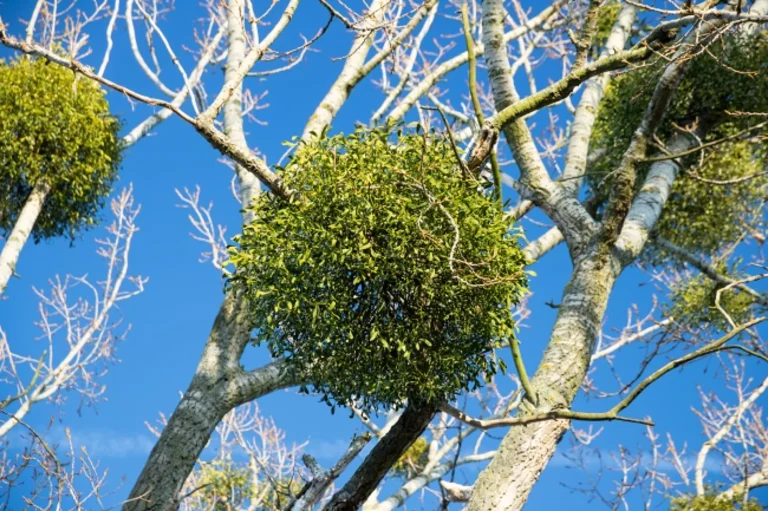
Dutch elm disease has quietly reshaped entire Canadian neighbourhoods over the last century. Streets once shaded by towering elms now tell a different story, especially across the Prairies where these trees defined urban landscapes. While many communities have adapted, the threat hasn’t disappeared.
Understanding how dutch elm disease works is still essential for homeowners and municipalities alike. This guide will help you understand, identify, prevent this fatal fungal disease, as well as walk you through treatment options for your tree.
What Is Dutch Elm Disease?
To understand why this disease has had such a lasting impact in Canada, it helps to look at how it operates biologically and why it has been so destructive compared to other types of tree diseases.
Dutch elm disease is a vascular fungal infection caused primarily by Ophiostoma ulmi and the more aggressive Ophiostoma novo-ulmi. Unlike leaf-level infections that stay on the surface, dutch elm disease invades the tree’s internal water transport system, known as the xylem. Once inside, the fungus spreads rapidly, blocking the flow of water and nutrients. The tree essentially dehydrates from within, even when soil moisture is adequate.
History: The disease was first identified in Europe in the early 20th century and arrived in North America shortly after. By the mid-1900s, it had devastated millions of elms across Canada and the United States. Cities that had relied heavily on elms for shade and symmetry were particularly vulnerable because of the lack of species diversity.
Common Varieties Affected by Dutch Elm Disease in Canada
Not all elms respond the same way, but several widely planted species across Canada are especially susceptible.
The most affected species include:
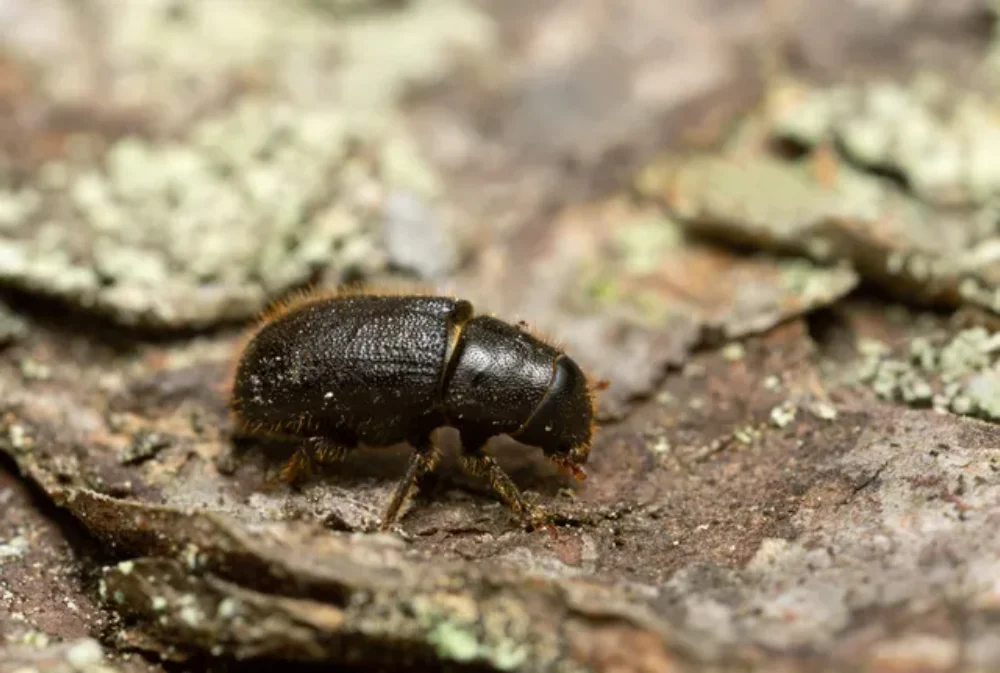
Prairie provinces such as Manitoba and Saskatchewan have been particularly impacted because entire neighbourhoods were designed around rows of elms planted in close proximity. Shared root systems between trees allow the fungus to travel underground, even if bark beetles are controlled.
How It Develops and Spreads
Understanding how dutch elm disease moves through an environment gives context to why it has been so difficult to eliminate.
Impacts on Tree Health
As the fungus spreads, the tree responds by producing defensive compounds that inadvertently clog its own vessels. This blockage prevents water from reaching the canopy.
| Stage of Infection | What’s Happening Internally | Visible Signs |
|---|---|---|
| Early Infection | Fungus enters vascular tissue | No obvious symptoms |
| Active Spread | Water transport begins to fail | Wilting or yellowing leaves |
| Advanced Stage | Extensive vessel blockage | Branch dieback |
| Tree Failure | System-wide dehydration | Large canopy loss or death |
This internal shutdown is what makes Elm bark beetle disease so lethal. By the time visible symptoms appear, the infection is often already well established within the tree.
Let’s Make your Trees Healthier if You See those Symptoms
Elm bark beetle disease doesn’t stop at property lines. Acting quickly helps protect surrounding trees and preserves the canopy in your community. Book a professional evaluation today and take proactive steps toward prevention.
How to Identify Dutch Elm Disease in Your Trees
Early detection is the difference between saving a tree and losing an entire row of them. Dutch elm disease progresses quickly once established, but it does leave warning signs—if you know what to look for and act early.
Early Warning Signs
The first symptoms of dutch elm disease often appear in mid to late spring or early summer.
Watch for:
A key pattern is asymmetry. Instead of the whole tree declining evenly, one limb or upper section begins to fail first. That localized wilt is often the earliest visible indicator that Elm bark beetle disease has entered the vascular system.
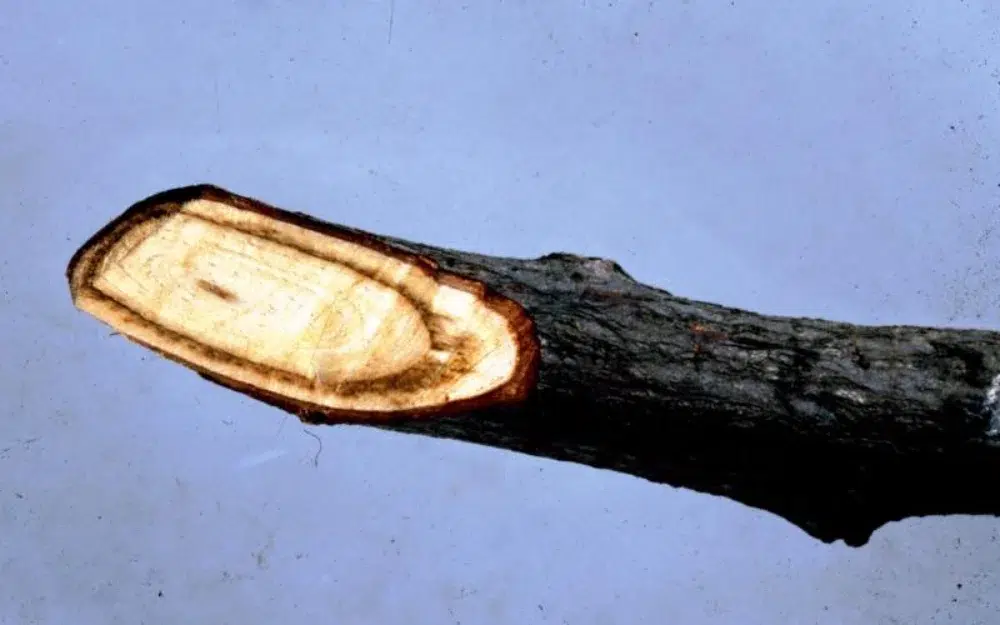
If you peel back a thin strip of bark from a recently affected branch, you may also notice brown streaking in the sapwood. This internal discoloration is a strong diagnostic clue.

Advanced Symptoms of dutch Elm
Once the infection spreads through the tree’s water transport system, symptoms escalate quickly.
In later stages, you may see:
In some cases, especially during warm Canadian summers, a mature elm can die in just a few months. This rapid collapse is what makes Elm bark beetle disease so destructive in urban environments where trees are planted close together.
The disease essentially causes internal dehydration. Even if soil moisture is adequate, the tree cannot move water upward through blocked vessels. The canopy starves first.
What It Can Be Confused With
Like bacterial leaf scorch, Dutch elm disease damages the vascular system that moves water throughout the tree. Both conditions can produce progressive canopy thinning and dieback that may initially resemble other forms of tree decline, including severe root rot. Misdiagnosis can lead to unnecessary removal, so it’s important to rule out other causes.
The biggest distinguishing feature of Dutch elm disease is progressive branch-by-branch wilt combined with brown streaking beneath the bark. When those two appear together, the likelihood increases significantly.
Laboratory confirmation is sometimes necessary, especially in provinces with active monitoring programs. In parts of Manitoba and Saskatchewan, suspected cases must be reported to local authorities to prevent further spread.
How to Treat Dutch Elm Disease in Trees
By the time symptoms are visible, Elm vascular wilt is often already established inside the tree. Treatment is possible in certain cases, but success depends heavily on timing, tree value, and how far the infection has progressed.
For most homeowners in Canada, the real battle against Elm wilt disease is prevention and rapid response rather than cure.
Preventative Practices
Prevention is far more effective than trying to reverse advanced infection.
Key practices include:
Unlike certain fungal leaf diseases such as cedar apple rust, which can often be managed through pruning and environmental adjustments alone, Elm wilt disease involves the tree’s vascular system. That makes early intervention critical and limits the effectiveness of simple surface treatments.
Many Prairie provinces enforce strict removal timelines to prevent further spread. In some municipalities, failing to remove an infected elm can result in fines.
Fungicide Injections
For high-value trees, fungicide injection may be an option. The most commonly used active ingredient is propiconazole, administered directly into the trunk by a certified arborist. The fungicide moves upward through the vascular system and can suppress fungal growth.
Important realities:
Fungicide injection does not guarantee survival, but in early cases, it can significantly slow disease progression.
When to Call a Professional Arborist
If you suspect dutch elm disease, professional assessment is strongly recommended.
An arborist can:
For mature or heritage elms, professional intervention is almost always the best course of action.
Protect Your Trees — And Your Neighbourhood
Dutch elm disease doesn’t stop at property lines. Acting quickly helps protect surrounding trees and preserves the canopy in your community. Book a professional evaluation today and take proactive steps toward prevention.
Frequently Asked Questions
Here are common questions homeowners have when trying to identify tree problems:
In Short,
Dutch elm disease continues to shape Canada’s urban forests decades after its arrival. While large-scale devastation has slowed in many regions, the risk remains wherever mature elms grow close together. Early detection, responsible removal, and informed treatment decisions are the most effective tools communities have to manage dutch elm disease and preserve the trees that remain.