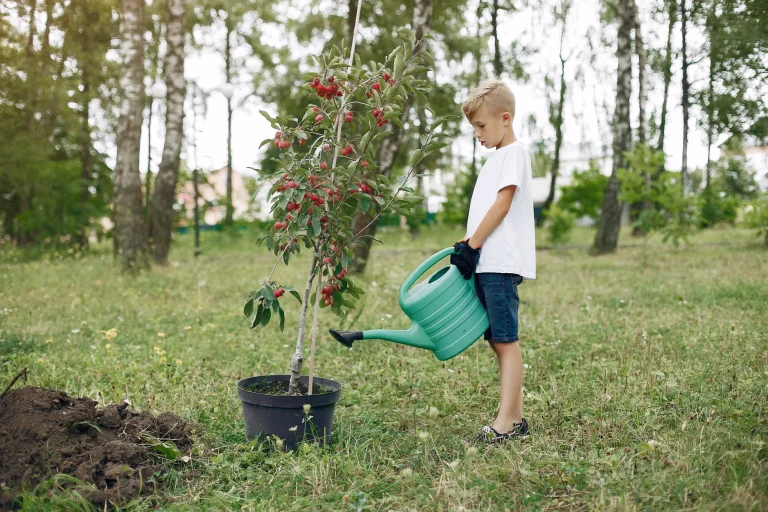
Tree preservation is essential for maintaining the health and longevity of trees, particularly during development or construction projects. Healthy trees provide shade, improve air quality, prevent erosion, and support local ecosystems. Proper tree preservation techniques protect these benefits while minimizing the risk of damage from human activity.
In this guide, we’ll explore a range of strategies for tree preservation, focusing on both general tree health and methods specific to construction zones. Following these approaches will help ensure your trees remain strong, vibrant, and resilient for years to come.
Key Techniques for Tree Preservation
- Tree health assessment helps identify risks early and ensures timely intervention.
- Controlled pruning removes hazards without causing unnecessary stress to the tree.
- Mulching and soil care protect roots, conserve moisture, and support long-term health.
- Protective fencing around the drip line prevents accidental damage during construction.
- Post-construction monitoring ensures recovery and promotes continued growth.
- Pest and disease management reduces threats and keeps trees resilient.
- Cabling and bracing provide extra support for older or structurally weak trees.
What Is Tree Preservation?
Tree preservation is the practice of protecting and caring for trees so they remain healthy and stable for years to come. It typically involves safeguarding root zones, preventing damage during construction, and providing regular maintenance like pruning and soil care. The aim is to ensure trees continue to provide shade, beauty, and environmental benefits in both urban and natural settings.
Why Tree Preservation Is Important
Trees are far from just scenic, they’re environmental pillars with measurable value for people and the planet alike. Tree preservation protects their structure, function, and ecological role. Without proper care, trees can suffer from disease, structural instability, or even premature death.
Environmental benefits
In 2010, urban trees across 86 Canadian cities removed roughly 16,500 tonnes of air pollution, delivering $227 million CAD in health benefits by avoiding about 30 premature deaths and 22,000 cases of respiratory illness. These aren’t just abstract numbers, investing in tree preservation is vital to our communities.
Homeowner Benefits
And that’s not all, tree preservation also enhances the aesthetic and economic value of a property. Mature, well-maintained trees can boost curb appeal dramatically, often increasing property values by up to 15%, according to Canadian real estate studies.
Beyond resale, trees create natural privacy screens, reduce noise from busy streets, and provide shade that can cut summer cooling bills by as much as 30–56%.
For homeowners, that means tree preservation isn’t just about ecology, it’s a direct investment in comfort, cost savings, and long-term financial return, all while making outdoor spaces more enjoyable year-round.

Common Threats to Trees
Trees face a variety of challenges that can compromise their health and longevity. Understanding these threats is key to effective tree preservation, as they highlight why proactive care is essential. Broadly, these threats fall into two main categories:
Human-Related Threats
Human activity can unintentionally damage trees, often in ways that are difficult to reverse. Common issues:
Natural Threats
Even without human interference, trees must contend with natural hazards that can threaten their survival:
By recognizing these threats, homeowners and professionals can prioritize tree preservation techniques, ensuring trees remain healthy, safe, and resilient despite environmental and human pressures.
Tree Growth Stages and Preservation Needs
Trees have different care requirements depending on their age and stage of growth. Understanding these stages helps homeowners and arborists apply the right preservation techniques at the right time.
1. Young Trees (0–5 years)
Key Needs: Establishing strong roots and structure.
Preservation Techniques:
2. Juvenile Trees (5–15 years)
Key Needs: Strengthening trunk and canopy, preventing early stress.
Preservation Techniques:
3. Mature Trees (15–50 years)
Key Needs: Maintaining health, structural stability, and productivity.
Preservation Techniques:
4. Veteran / Old Trees (50+ years)
Key Needs: Preventing hazards, supporting declining vitality.
Preservation Techniques:
Techniques for Tree Preservation
When it comes to tree preservation, the best approach is proactive care. By focusing on regular assessments, proper maintenance, and protecting roots and soil, you can significantly extend the life and health of your trees before major issues arise.
1. Tree Health Assessment
A tree health assessment is the first step in any preservation plan. Arborists or trained tree specialists examine the tree for signs of disease, structural weakness, and pest infestation. Assessments typically include:
How to inspect your trees:
Conducting this kind of visual inspection a couple of times a year helps spot problems early. For anything unusual, or if the tree is near structures or power lines, call in a certified arborist for a professional assessment.
2. Pruning and Maintenance
Pruning is a key practice in tree preservation. It removes dead or weak branches that could pose a risk to the tree or nearby structures. Proper pruning improves air circulation within the canopy, reducing disease risk, and encourages healthy growth.
Pruning guidelines for tree preservation:
Pair pruning with basic tree care practices, such as:
3. Soil and Root Care
Roots are the foundation of a tree’s health. Compacted soil or damage to the root zone can quickly undermine tree preservation efforts.
Best practices for protecting roots include:
Even small root injuries can compromise tree stability or create entry points for pests and disease. For construction sites, specialized techniques such as root pruning or installing root barriers may be necessary to preserve trees while allowing development.
Is Your Tree at Risk? Schedule an Arborist Visit Today
From assessments to post-construction care, our team can help your trees thrive. Contact us today and discover simple ways to protect your property’s most valuable natural assets.
Tree Preservation During Construction
Construction sites can be some of the most damaging environments for trees. With heavy machinery, soil disturbance, and changes to drainage, it’s critical to put protective measures in place to safeguard trees throughout the building process.
1. Protective Barriers and Fencing
One of the simplest yet most effective strategies is installing physical barriers around the tree’s drip line (the area beneath the canopy where most roots are located). Fencing prevents machinery, vehicles, and foot traffic from compacting soil or damaging roots. Adding visible signage reinforces the protected zone.
2. Limiting Excavation Near Trees
Excavation near trees should be minimized to avoid root damage. If digging is unavoidable, consider alternatives such as:
Limiting soil disturbance and protecting critical roots are key steps in tree preservation during development.
3. Tree Monitoring and Ongoing Care
During construction, trees should be monitored regularly for stress indicators such as leaf discoloration, wilting, or early leaf drop. Temporary irrigation systems can help offset soil compaction or changes in moisture levels caused by construction activity. Applying soil amendments and mulch around the tree can further support recovery.
Post-Construction Care
Even after the project is complete, trees often require continued attention. Recovery may involve:
Proper post-construction care ensures that preserved trees continue to thrive and support the surrounding landscape.

Advanced Preservation Techniques
Beyond basic care, advanced methods can keep trees strong and resilient, especially older trees or those exposed to stress from storms, pests, or construction.
Integrated Pest and Disease Management (IPM)
Healthy trees naturally resist many threats, but pests and diseases can still creep in. Integrated Pest Management (IPM) is a balanced approach that emphasizes prevention and minimal chemical use.
Steps for IPM:
- Monitor regularly: Look for chewed leaves, sticky residue (sign of aphids), or unusual spotting.
- Encourage beneficial insects: Ladybugs, lacewings, and birds help keep pests in check.
- Use targeted treatments: If necessary, apply eco-friendly or species-specific solutions instead of broad-spectrum chemicals.
- Consult professionals: For major infestations, call an arborist to prevent long-term damage.
Cabling and Bracing
Sometimes, a tree’s structure needs extra support to remain safe and healthy.
When to consider cabling or bracing:
Note: Cabling and bracing require professional installation, DIY attempts can cause more harm than good. Once installed, systems should be inspected every few years.
Soil Aeration and Fertilization
Soil health is at the heart of tree preservation. Roots need oxygen, water, and nutrients to thrive. Compacted soil limits all three, so improving soil structure is vital.
Ways to improve soil health:
Is Your Tree at Risk? Schedule an Arborist Visit Today
From assessments to post-construction care, our team can help your trees thrive. Contact us today and discover simple ways to protect your property’s most valuable natural assets.
Quick Guide: Tree Issues and Best Preservation Techniques
When it comes to tree preservation, different problems call for different solutions. This quick guide links common tree issues with the best techniques to address them, so you know exactly what action to take and who should handle it.
| Tree Issue / Status | Signs to Look For | Best Techniques to Use | Who Should Handle It |
|---|---|---|---|
| General health check | Routine inspection, seasonal care | Tree health assessment, pruning, soil care | Homeowner + Arborist (for detailed checks) |
| Diseased or pest-infested tree | Chewed leaves, sticky residue, leaf spotting, dieback | Integrated Pest Management (IPM), pruning, soil amendments | Start as homeowner; call arborist if severe |
| Structural weakness in branches or trunk | Heavy lateral limbs, cracks, “V-shaped” crotches | Cabling and bracing, controlled pruning | Arborist only |
| Root stress / soil compaction | Mushrooms at base, heaving soil, poor growth | Soil aeration, vertical mulching, careful irrigation, mulching | Homeowner (light mulching) + Arborist (aeration) |
| Storm or construction damage | Broken limbs, exposed roots, soil disturbance | Protective fencing, root protection, cabling/bracing, post-construction care | Arborist + Contractor cooperation |
| Nutrient deficiency | Yellowing leaves, slow growth, thin canopy | Soil testing, targeted fertilization, mulching | Homeowner (with soil test guidance) |
| Post-development recovery | Stress signs after nearby construction | Irrigation, pruning, soil amendments, monitoring | Homeowner + Arborist for monitoring |
| New landscaping or planting needs | Empty space, tree loss, or desire for more shade | Professional Tree Planting Services, mulching, ongoing care tips | Arborist or nursery professionals |
Our Approach to Tree Preservation
At SpinBlade, we take a comprehensive and professional approach to tree preservation, combining expert knowledge with hands-on care to ensure your trees thrive for years to come.
Our Methods:
Certified Arborists:
All of our work is carried out by certified arborists with extensive training and experience. Their expertise ensures every intervention—whether pruning, cabling, or soil treatment—is done safely and effectively.
Commitment to Safety, Health, and Long-Term Value:
We prioritize the long-term health of your trees, safeguarding your property, enhancing aesthetic appeal, and maintaining ecological benefits. By combining expert techniques with a focus on sustainability, we protect both your trees and your investment.
Learn more about our professional tree care services here and discover how we can help your trees remain healthy and resilient.
FAQ: Tree Preservation
Still have questions about tree preservation? Here are some quick answers to common concerns.
In Short,
Tree preservation is vital for maintaining tree health, particularly in areas affected by human activity or construction. By performing regular assessments, using proper pruning techniques, protecting roots and soil, and monitoring trees through high-risk periods, you can ensure that your trees remain strong and resilient. Combining these strategies with ongoing care, including pest management and soil health practices, allows trees to thrive in both urban and rural environments. Effective tree preservation not only protects individual trees but also contributes to healthier, greener landscapes that benefit people, wildlife, and the planet.