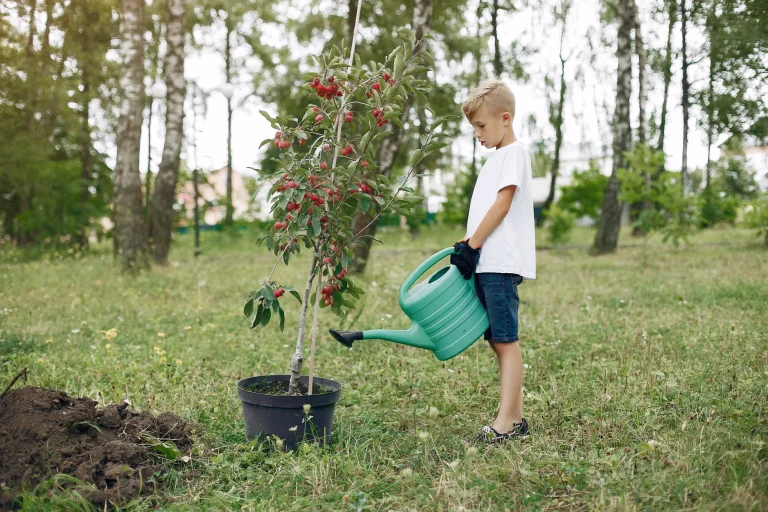
If you’ve ever looked at a tree and wondered whether it’s truly healthy or hiding signs of trouble, you’re not alone. Trees can appear strong on the surface while quietly battling disease, decay, or root stress underneath. That’s where a tree health assessment comes in, a detailed process that reveals what’s really going on with your trees and helps you decide when it’s time for treatment, maintenance, or a professional check-up through a full tree health assessment.
Understanding Tree Health Assessment
Maintaining tree health involves regular tree health assessment to identify signs of vigor or potential issues, such as diseases and pests. Recognizing the symptoms of a healthy tree is essential for sustaining the well-being of your landscape.
What is Tree Health Assessment?
A tree health assessment is a thorough evaluation of a tree’s structural stability, vitality, and overall well-being. It involves examining visible and hidden indicators—such as leaf color, bark texture, root condition, and signs of decay, to detect stress, disease, or damage before they become serious problems.
By performing a tree health assessment, property owners and arborists can make informed decisions about treatment, maintenance, and long-term care to preserve both safety and landscape beauty.

Common Situations When It’s Needed
Even the healthiest-looking trees can face hidden problems that only become obvious when it’s too late. Knowing when to schedule a tree health assessment can make all the difference between saving a tree and losing it altogether. Here are the most common situations when this evaluation becomes essential:
- After severe weather events:High winds, ice, or heavy storms can weaken branches and roots, making an inspection crucial for safety.
- Visible signs of decline: Yellowing leaves, thinning canopies, or peeling bark often signal stress or disease.
- Before or after construction work: Excavation, soil compaction, or root disturbance can severely affect a tree’s stability.
- When pests or fungi appear: Early detection of infestation or rot helps prevent further damage.
- For aging or mature trees: Older trees require more frequent assessments to catch structural or health issues early.
- Before major landscaping changes: A tree assessment ensures nearby work won’t disrupt roots or soil balance.
- During property sales or insurance evaluations: Provides documentation of tree condition and reduces liability risks.
What Are the Techniques Used in Tree Health Assessment?
A tree health assessment relies on a mix of observation, measurement, and diagnostic methods to evaluate the full condition of a tree. Below is a summary of the most common techniques used, what they involve, and what they help detect:
| Technique | Purpose | What It Detects |
|---|---|---|
| Visual Inspection | Initial observation of leaves, bark, and roots | Early signs of stress, discoloration, cracks, pests, or fungi |
| Sounding Test | Tapping the trunk with a mallet to assess density | Internal decay, cavities, or hollow sections |
| Resistograph Testing | Measures resistance while drilling into the wood | Internal rot, cavities, or weak structural zones |
| Sonic Tomography | Uses sound waves to map internal structure | Decay, hollows, or compromised core areas |
| Soil and Root Analysis | Examines soil composition and root conditions | Compaction, root damage, or nutrient imbalance |
| Leaf and Twig Sampling | Analyzes samples in lab or on-site | Nutrient deficiencies, diseases, or pest infestations |
| Canopy Density Observation | Evaluates canopy shape, balance, and fullness | Growth vitality and overall health |
| Moisture and pH Testing | Measures soil moisture and acidity levels | Overwatering, underwatering, or unsuitable soil pH |
Signs Your Tree Needs a Health Assessment
Regular tree health assessments are crucial for maintaining the overall vitality and safety of your landscape. However, there are specific signs that indicate your tree may need an immediate health assessment to prevent further damage or potential hazards.
Signs To Watch For:
- Unusual Leaf Discoloration: If your tree’s leaves are turning yellow, brown, or showing spots out of season, this could be a sign of disease or nutrient deficiency.
- Visible Fungal Growth: Mushrooms or fungi growing at the base of your tree or along the trunk may indicate internal decay.
- Cracks or Splits in the Trunk: Deep cracks or splits in the tree’s trunk can weaken the structure, increasing the risk of the tree falling.
- Dead or Falling Branches: A significant number of dead or falling branches might suggest the tree is under stress or suffering from disease.
- Peeling or Damaged Bark: Bark that is peeling away in large sections or has become damaged could point to an underlying health issue.
- Insect Infestation: Presence of pests like beetles, borers, or ants can signal that your tree is weakened or decaying internally.
- Leaning or Unstable Structure: A tree that has suddenly started leaning or shows signs of instability may need immediate attention to prevent it from falling.
What Tree Parts You Should Do Assessment For
A complete tree health assessment looks at more than just the leaves, every part of the tree tells a different story about its condition and stability. From the roots anchoring it underground to the canopy stretching toward the sky, each section should be inspected carefully to identify early signs of stress, decay, or imbalance.
Here are the main parts you should assess:

Performing a Tree Health Assessment
Performing a tree health assessment isn’t just about taking a quick look at the leaves — it’s about understanding the entire living system of the tree, from root to canopy. Whether you’re a homeowner doing a simple inspection or an arborist conducting a full evaluation, the process follows a structured approach that helps identify early signs of stress, disease, or instability before they become serious problems.
Goals and Purpose of the Assessment
Before starting a tree health assessment, it’s important to have clear goals in mind. Knowing what you want to achieve helps guide the inspection process, ensures consistency, and makes it easier to interpret results accurately. Here are the main goals and purposes behind conducting a tree health assessment:
1. Identify Early Signs of Stress or Disease
The first goal of a tree health assessment is to uncover early indicators of decline such as leaf discoloration, bark decay, or fungal growth. Through careful visual inspection, bark probing, and tree diagnostics, arborists can detect hidden stress before it causes irreversible damage. Identifying these issues early allows for timely treatment and improves the chances of full recovery.
2. Evaluate Structural Stability
Another key purpose is assessing the tree’s structural integrity to ensure safety and longevity. Techniques like the sounding test, resistograph, and sonic tomography reveal internal decay, weak branches, or root instability that may not be visible from the outside. This tree condition assessment helps determine whether corrective action or removal is necessary to prevent future hazards.
3. Determine Overall Vitality and Growth Potential
A healthy tree should demonstrate balanced growth, dense foliage, and strong annual shoots. Arborists evaluate canopy density, leaf size, and soil quality to gauge overall vitality and environmental stress. This step helps predict how well a tree can continue to thrive under current site conditions and informs long-term care strategies.
4. Prioritize Maintenance and Treatment Needs
Once the assessment reveals the tree’s condition, the next goal is to develop a maintenance plan. This includes pruning dead or crossing branches, improving watering schedules, and applying pest management where needed. Using detailed logs and moisture readings, arborists can design customized tree treatment plans that strengthen the tree’s health over time.
5. Support Decision-Making for Removal or Preservation
Not all trees can or should be saved, and a professional Tree Risk Assessment helps determine the safest course of action. By evaluating decay, root strength, and surrounding hazards, arborists can weigh the risks of keeping versus removing a tree. This ensures decisions are based on evidence, balancing safety, environmental, and aesthetic factors.
6. Document Condition for Property Records or Insurance
A formal tree health check provides valuable documentation for property owners, insurers, or municipalities. Reports typically include photos, measurements, and detailed recommendations for maintenance or risk mitigation. GPS mapping and before-and-after documentation also help demonstrate compliance and the effectiveness of ongoing care.
7. Establish a Baseline for Future Monitoring
The final goal is to create a reference point for long-term monitoring. Tagging trees, logging inspection data, and taking periodic photos allow arborists to track changes in structure, vitality, and canopy growth over time. This consistent record-keeping ensures early detection of new issues and supports proactive rather than reactive management.

Key Steps in a Tree Health Assessment
Conducting a tree health assessment involves moving systematically from what you can see on the surface to what might be hidden inside or underground. Each step plays a role in building a complete picture of the tree’s condition and helps determine whether maintenance, treatment, or removal is necessary.
1. Visual Inspection
Start by observing the tree as a whole. Look for visible signs of stress such as leaf discoloration, premature leaf drop, bark peeling, insect holes, or fungal growth. This step helps identify obvious health issues and sets the direction for deeper inspection.
2. Structural Assessment
Examine the trunk and main branches for cracks, cavities, or weak unions that could compromise stability. Check for leaning, hollow sounds when tapped, or signs of decay around old pruning cuts. These findings are key in determining structural integrity and potential hazards.
3. Root and Soil Evaluation
Healthy trees depend on strong roots and balanced soil. Inspect for exposed roots, poor drainage, soil compaction, or construction damage near the root zone. Measuring soil pH and moisture levels provides insights into environmental stress or nutrient imbalance.
4. Canopy Observation
Evaluate the tree’s canopy density, symmetry, and color. Sparse foliage, uneven growth, or excessive dieback are signs of declining vitality. Comparing canopy condition to similar species nearby helps establish a realistic health benchmark.
5. Instrument-Based Testing
When visible signs are inconclusive, arborists use specialized tools like resistographs, sonic tomography, or moisture meters to analyze internal structure and root conditions. These advanced methods detect decay, cavities, and hidden weaknesses without damaging the tree, providing a detailed foundation for tree diagnostics and long-term care planning.
When to Call a Certified Arborist
Some tree issues go beyond what the eye can see or what basic tools can uncover. You should call a certified arborist when a tree shows structural instability, large dead limbs, deep trunk cracks, or advanced pest and fungal activity. Arborists also play a key role in conducting detailed Tree Risk Assessments, diagnosing diseases, and safely managing removals or preservation plans for mature or valuable trees.
At Spinblade, our certified arborists provide professional tree condition evaluations, and tree treatment services in Ottawa to keep your property safe, beautiful, and thriving.
Are your Trees Healthy ?
Concerned about your tree’s health? Schedule a tree health assessment with our experts today and protect your landscape
Tree Health Rating System (Quota or Score)
A tree health assessment often concludes with a rating that summarizes the tree’s overall condition and guides next steps. This standardized scoring system helps property owners and arborists quickly understand whether a tree needs maintenance, monitoring, or removal.
| Rating | Description | Recommended Action |
|---|---|---|
| Excellent | The tree shows vigorous growth, balanced canopy, and no visible defects. Root system and structure are sound. | Continue regular maintenance and annual visual checks. |
| Good | Minor issues such as small pruning needs or slight nutrient imbalance. Overall vitality remains strong. | Monitor annually and correct minor issues promptly. |
| Fair | Noticeable stress, thinning canopy, or early signs of disease or pest activity. Structural weakness may be developing. | Apply targeted tree treatment, improve soil health, and schedule a follow-up tree condition assessment. |
| Poor | Significant decay, severe dieback, or pest infestation. Structural instability or root damage is evident. | Consider professional Tree Risk Assessment and possible removal or major restoration work. |
| Dead | No live growth detected; decay and structural failure are advanced. | Remove safely and assess surrounding trees for secondary effects. |
Tools and Equipment Used
A thorough tree health assessment requires more than just a visual check—it involves the right tools to detect subtle or hidden signs of decline.
- Binoculars: For observing the upper canopy and spotting dead branches, cracks, or pest activity.
- Soil Moisture Meter: Measures root-zone moisture to detect overwatering or drought stress.
- Increment Borer: Extracts a small wood core to examine growth rings, decay, and internal health.
- Resistograph: Tests internal wood resistance to identify cavities, rot, or weakened structure.
- Pruning Shears: Used to collect branch or leaf samples and remove minor obstructions for inspection.
- Magnifying Glass or Hand Lens: Helps detect fungal spores, insect larvae, and fine surface damage.
- Shovel or Trowel: For gentle root and soil checks without causing major disturbance.
- Notepad or Mobile App: Records field notes, health scores, and maintenance recommendations for ongoing tree diagnostics.
How Often Should You Assess Tree Health?
The frequency of a tree health assessment depends on the tree’s age, location, and exposure to stress. Young or newly planted trees should be assessed annually to ensure proper establishment, while mature trees can typically be evaluated every two to three years unless they’ve experienced extreme weather or visible stress. In high-traffic or public areas, yearly inspections are recommended to maintain safety and address potential risks before they escalate.

Tree Care and Maintenance Strategies
Once your tree health assessment is complete, consistent care is key to keeping your trees strong, safe, and thriving. Here are a few simple yet effective strategies to maintain long-term tree health:
Tree Care
Regular pruning, seasonal inspections, and pest monitoring help maintain structure and vitality year-round.
Learn more about tree care.
Tree Preservation
Protect roots during construction, avoid soil compaction, and install barriers when necessary to prevent damage.
Learn more about tree preservation.
Tree Inspection
Schedule routine tree condition assessments to catch early signs of disease or decay before they spread
Learn more about tree inspection.
Tree Fertilization
Apply slow-release fertilizer based on soil test results to replenish nutrients and boost growth.
Learn more about tree fertilization.
Tree Mulching
Add a 2–4 inch layer of organic mulch around the base to retain moisture and regulate soil temperature.
Learn more about tree mulching.
Tree Watering
Deep water during dry periods, focusing on the root zone rather than surface sprinkling to encourage deeper root growth.
Learn more about tree watering.
When to Consider Tree Removal
Tree removal becomes necessary when a tree poses a safety risk or cannot be restored to health. A certified arborist will assess if the tree is structurally unsound, suffering from severe disease, or dead. Signs include extensive decay, significant damage to the trunk or roots, and large dead branches.
Removal must be conducted with care to avoid damaging surrounding structures. Always consult with professionals to ensure safe and effective removal. Removing a compromised tree can prevent accidents and promote the health of nearby trees by reducing the spread of disease.
Check out our detailed guide to learn more tree removal.
Frequently Asked Questions
Understanding tree health is crucial for maintaining safe and vibrant landscapes. Below, you will find answers to common questions about tree health assessment.
Conclusion
Regular tree health assessments are crucial for keeping your trees vibrant and healthy, allowing you to catch potential issues early. Incorporating proper watering, mulching, and soil maintenance as part of your tree health assessment routine ensures optimal care and longevity. Consulting with a professional arborist can further enhance your tree’s well-being, contributing to the overall beauty and balance of your environment.
Are your Trees Healthy ?
Concerned about your tree’s health? Schedule a tree health assessment with our experts today and protect your landscape