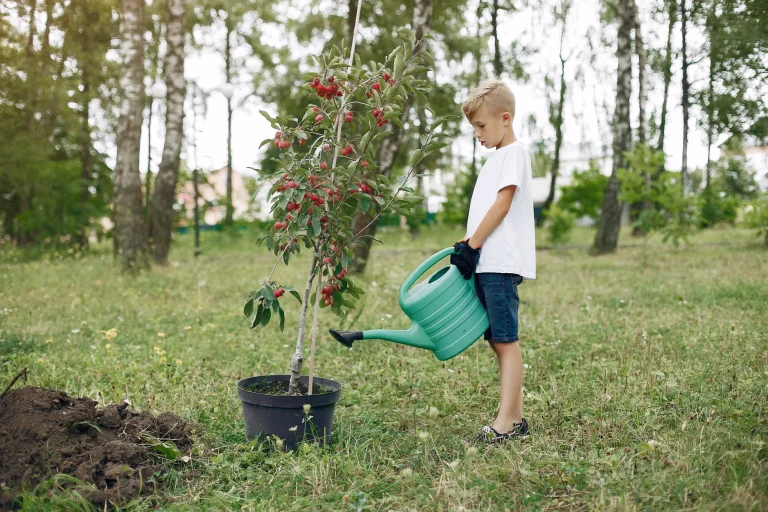
Proper tree care ensures the health and longevity of your trees while enhancing the beauty of your landscape. Key tree care tips include selecting the right tree for your environment, planting it correctly, and maintaining it through proper watering, mulching, and pruning. Regularly monitoring for pests and diseases is also essential to keep your trees healthy and thriving, following these tree care tips will help you protect and nurture your trees for years to come.
Throughout this article, we will be talking in details about different categories of tree care tips, each category is suitable for a specific season and specific tree conditions.
What is Tree Care?
Tree care involves essential practices to maintain the health and vitality of your trees, with key tree care tips including proper watering, mulching, and pruning. Regular inspections help detect issues like pest infestations or diseases early, allowing for timely intervention. By following these tree care tips, such as maintaining a consistent watering schedule, applying mulch to retain moisture, and pruning dead or diseased branches, you can promote healthy growth and ensure the longevity of your trees.
Check out our detailed article about tree care and why it is important for the health of your trees.
Tree Species and Their Characteristics
Understanding the characteristics of different tree species is essential for providing proper care and selecting the right tree for your landscape. Each species has unique traits that impact its growth, maintenance, and overall health.
Deep-rooted trees access more nutrients from the soil, making them more resilient, while shallow-rooted trees require frequent watering to stay healthy.
Understanding these characteristics allows for better tree selection and care strategies that enhance the health and longevity of your trees.

Tree Health Assessment
A thorough tree health assessment by a certified arborist includes evaluating various aspects of the tree’s condition. They check for signs of disease, pest damage, and environmental stressors.
The arborist may use specialized tools like resistographs to measure internal decay or sap flow instruments to gauge the tree’s water uptake. Understanding these factors is crucial in making informed decisions about necessary treatments or interventions to maintain tree health.
Cultivating Healthy Soil
Healthy soil forms the foundation of strong, vigorous trees by providing essential nutrients, maintaining proper moisture levels, and fostering beneficial microbial activity. Incorporating tree care tips such as monitoring soil conditions, applying mulching techniques, and promoting mycorrhizal fungi growth are essential for maintaining tree health
Soil Conditions and Amendments
Understanding your soil’s composition is crucial. Conduct a soil test to determine pH, nutrient levels, and texture. For optimal tree growth, aim for a slightly acidic to neutral pH (around 6.0-7.0).
Improve soil structure and fertility by adding organic matter such as compost. Compost not only supplies nutrients but also enhances drainage and aeration. For clay soils, incorporate sand or gypsum to improve drainage. Sandy soils benefit from adding organic matter to retain moisture. Regular soil monitoring ensures ongoing tree health.
Mulching Techniques
Mulching helps regulate soil temperature, retain moisture, and suppress weeds. Use natural mulch like wood chips, bark, or straw. Spread mulch in a 3-4 inch thick layer around the tree base, extending to the drip line, but keeping it away from the trunk to prevent rot and pest issues.
Update the mulch layer annually. Burlap or biodegradable fabric can be placed under the mulch to further control weeds and improve aesthetics. Mulching also reduces soil erosion and compaction, encouraging healthier root systems.
The Role of Mycorrhizal Fungi in Root Growth
Understanding the role of mycorrhizal fungi is key to promoting healthy tree growth. These fungi establish symbiotic relationships with tree roots, helping them absorb nutrients and water more efficiently. Here are some essential tree care tips to support mycorrhizal fungi in your landscape:
By following these tree care tips, you can foster optimal mycorrhizal activity, leading to stronger, more resilient trees.
Proper Watering Methods
Ensuring your trees receive the right amount of water is crucial for their health and longevity. This section will cover the importance of understanding species-specific water needs, choosing effective irrigation systems, and managing trees during periods of drought.
Determining Water Needs by Species
Different tree species have varying water requirements. For instance, newly planted trees may need frequent watering, typically 10 gallons per week, while established trees need watering less often.
Use a garden trowel to check soil moisture two inches deep, if it’s dry, it’s time to water your trees. Always aim for moist but not soggy soil.
- Deciduous trees often need more water during the growing season.
- Evergreens require consistent moisture throughout the year, particularly before the ground freezes.
Refer to species-specific guidelines for precise watering needs to avoid both underwatering and overwatering.
Irrigation Systems and Techniques
Efficient irrigation is a key tree care tip to ensure water reaches tree roots deeply and evenly. Drip irrigation systems and soaker hoses are effective methods that allow water to percolate slowly, promoting deep root growth while minimizing water waste. Aerating the soil around your trees periodically also helps improve water absorption.
Consistent watering schedules are essential, with early morning being the best time to reduce evaporation. Adjust your watering routine based on weather conditions to prevent overwatering or drought stress, ensuring your trees stay healthy and well-hydrated.
Addressing Drought and Water Stress
Addressing drought and water stress is essential for maintaining tree health. Here are some key steps to help protect your trees during dry conditions:
- Monitor for Water Stress: Watch for signs like wilting leaves or dry, brittle branches and respond promptly to avoid further damage.
- Apply Mulch: Mulch around the base of your trees using organic materials like wood chips or shredded bark to conserve soil moisture.
- Deep Watering Schedule: Reduce water stress by setting up a schedule that focuses on deep watering once or twice a week instead of frequent shallow watering.
- Use Water-Saving Techniques: During prolonged droughts, consider using rain barrels to collect and reuse rainwater efficiently.
- Prune Dead Branches: Remove dead or damaged branches to lower the tree’s water needs and reduce stress.
- Prioritize Young Trees: Young and newly planted trees are the most vulnerable, so prioritize their watering during drought conditions.
Pruning for Health and Structure
Proper tree pruning preserves the health, safety, and aesthetics of your trees. By focusing on cutting techniques and timing, you can stimulate growth and improve the tree’s structure.
When and How to Prune
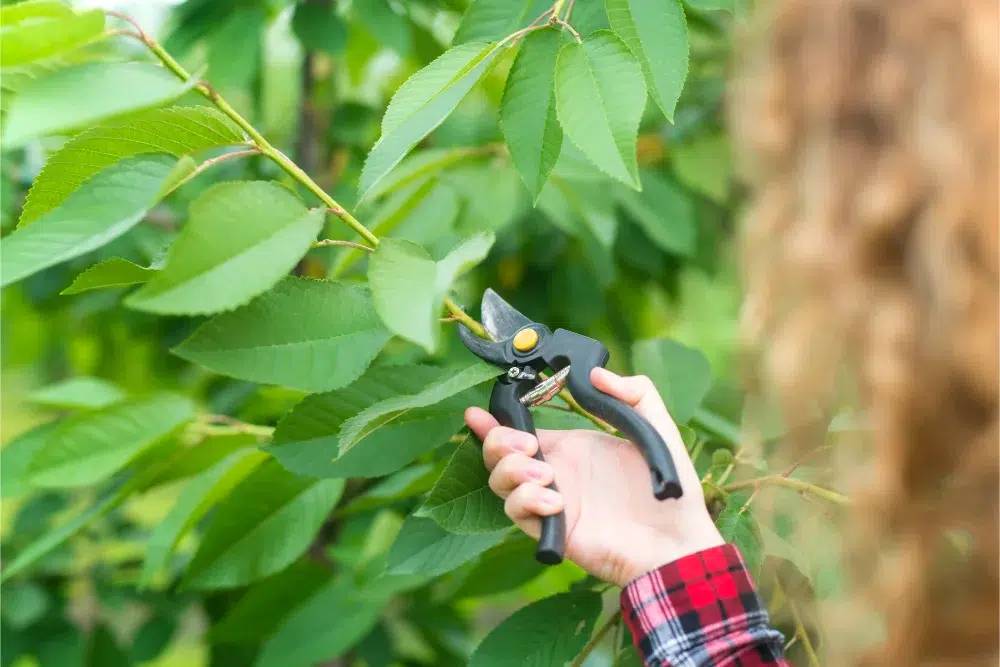
Prune your trees during their dormant season, usually late winter or early spring. This timing minimizes stress and reduces sap loss. Ensure your cuts are clean and at a 45-degree angle to promote healing.
Use removal cuts to eliminate entire branches, cutting just above the branch collar. This method helps maintain the tree’s natural shape. For minor trimming, use reduction cuts to shorten the length of a branch while maintaining the tree’s structure and health.
Light Pruning vs. Structural Pruning
Light pruning involves removing small, unwanted branches to improve sunlight and air circulation. This technique generally focuses on the outer canopy and helps in maintaining overall tree health.
Structural pruning, on the other hand, shapes the framework of the tree. This method targets the removal of larger branches to improve the tree’s structure and stability. Use structural pruning to eliminate branches that cross or rub against each other, and those growing towards the center of the tree.
Dealing with Broken and Dead Branches
Address broken branches immediately to prevent disease and further damage. Cut broken branches back to a healthy part of the tree, making clean cuts to aid in rapid healing.
Remove dead branches as soon as you notice them. Dead limbs can become hazardous and increase the risk of disease. Use clean cuts to remove dead wood, ensuring you don’t damage nearby healthy branches.
For more detailed information on tree trimming techniques, visit this guide and this article.
When to Consult a Certified Arborist
Consult a certified arborist when dealing with complicated tree issues or large trees. Arborists are trained to assess tree health, identify diseases, and recommend appropriate treatments.
If your tree poses a safety hazard, such as overhanging utility lines or a weakened structure, an arborist can determine whether tree removal or other interventions are necessary. They can also assist with preparing trees for seasonal changes.
Fertilization and Nutrients
Providing your trees with the right nutrients through proper fertilization ensures they stay healthy, vibrant, and grow optimally. Focus on identifying nutrient deficiencies, selecting the appropriate fertilizer, and following correct fertilization schedules and techniques.
Identifying Nutrient Deficiencies
Recognizing nutrient deficiencies early can save your trees from irreversible damage. Common symptoms include yellowing leaves, poor growth, and reduced flowering.
For example, nitrogen deficiency often causes pale and yellow leaves, while a lack of phosphorus might result in stunted growth and dark green foliage.
Examining soil tests can help determine which nutrients are lacking. Look for specific indicators such as chlorosis for iron deficiencies or purplish tints on leaves for potassium shortages.
Selecting the Right Fertilizer
Choosing the right fertilizer is crucial for addressing specific nutrient needs. Fertilizers are labeled with an NPK ratio indicating the percentages of nitrogen (N), phosphorus (P), and potassium (K).
For instance, a fertilizer with an NPK rating of 18-6-12 is high in nitrogen, suitable for promoting leafy growth. Slow-release fertilizers are particularly beneficial as they provide a steady supply of nutrients over time. Always consider the tree species, soil type, and seasonal requirements when selecting a fertilizer.
Fertilization Schedules and Techniques
Timing and technique are essential for effective fertilization. It’s best to fertilize your trees during the early spring and late fall. Spring fertilization supports new growth, while fall fertilization replenishes nutrients used during the growing season.
Use surface broadcasting for large trees, spread granular fertilizer evenly under the tree canopy and water thoroughly if rainfall isn’t expected.
For a more targeted approach, you can apply liquid fertilizers directly to the root zone using a soil injector. Always follow the recommended application rates to prevent over-fertilization, which can harm your trees.
Disease and Pest Management
Effective management of tree diseases and pests requires vigilant monitoring, timely intervention, and adopting various preventive measures. Below, you will find detailed information on common threats and how to address them.
Common Tree Diseases and Pests
There are numerous tree diseases and pests that can threaten your trees. Some common ones include:
- Powdery Mildew: This fungal disease causes a white or gray powdery growth on leaves, affecting photosynthesis.
- Anthracnose: This can cause dark, sunken lesions on leaves, stems, flowers, and fruits.
- Aphids: Small insects that suck sap from leaves and stems, leading to distorted growth.
- Emerald Ash Borer: This beetle larva bores into ash trees, disrupting nutrient flow and potentially killing the tree.
Recognizing these signs early can help you take swift action to protect your trees.
Integrated Pest and Disease Management
Integrated Pest Management (IPM) is a comprehensive approach to controlling tree infestations and diseases. It combines biological, physical, and chemical tools in a way that minimizes economic, health, and environmental risks.
- Biological Control: Uses natural predators or pathogens to manage pests. For example, ladybugs can control aphid populations.
- Chemical Control: Involves the strategic use of pesticides, ensuring they are specifically targeted and minimally harmful to non-target species.
- Cultural Practices: Includes methods like regular pruning and proper watering, helping maintain tree vigor and making trees less susceptible to pests and diseases.
Adopting an IPM approach ensures that you manage tree health in a sustainable and effective manner.
Prevention and Treatment Strategies
Preventing tree diseases and infestations starts with proper tree care. Here are some strategies:
- Regular Inspection: Periodically inspect your trees for signs of infestation or disease. Look for symptoms like discolored leaves or small holes in bark.
- Correct Pruning: Properly prune trees to remove dead or diseased branches, improving air circulation and reducing the risk of fungal infections.
- Chemical and Organic Treatments: Use pesticides judiciously or opt for organic treatments and biopesticides. Consulting a professional arborist can help in severe cases.
By combining these prevention and treatment strategies, you can maintain the health and vitality of your trees. For more detailed guidance, consider consulting professional tree services like those offered by SpinBlade.
Keep Your Trees Healthy with Expert Advices
Need expert help with your trees? Contact us for professional tree care services and keep your landscape looking its best!
Seasonal Tree Care
Seasonal tree care is essential for maintaining healthy and vibrant trees. Adjusting your tree care tips according to the time of year ensures your trees are prepared for the unique challenges and opportunities each season presents.
Springtime Tree Care
Spring is a crucial time to focus on tree maintenance as trees begin to grow and thrive. Here are some essential spring tree care tips to ensure healthy growth:
- Inspect for Damage: Check your trees for broken or dead branches and remove them to encourage healthy development.
- Apply Mulch: Add a 2 to 3-inch layer of organic mulch around the base to retain moisture and suppress weed growth.
- Fertilize: Provide essential nutrients by fertilizing your trees to support their spring growth.
- Thin New Growth: Monitor new sprouts and thin them if necessary to prevent overcrowding and promote stronger growth.
- Monitor for Pests and Diseases: Keep an eye out for any signs of pests or diseases, and treat them promptly using appropriate methods.
- Water Consistently: Ensure regular watering but avoid waterlogging the soil to maintain optimal moisture levels.
Following these spring tree care tips will set your trees up for a healthy and vibrant growing season.
Summer Maintenance
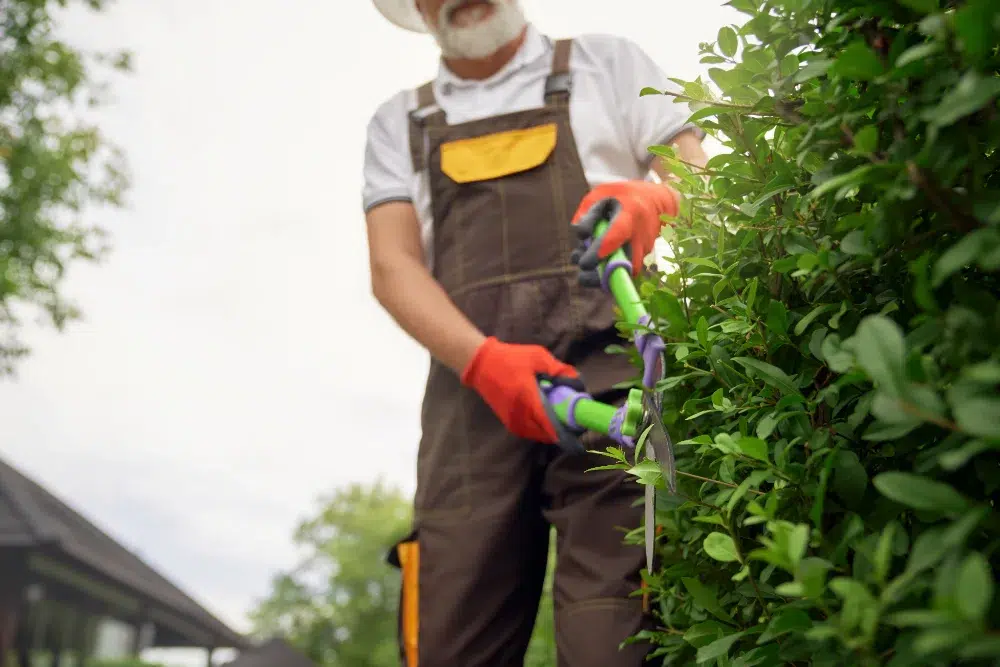
Summer tree care requires attention to watering and monitoring for pests and diseases. Here are some essential summer tree care tips to help your trees thrive during the hot months:
- Deep Watering: Ensure deep watering during dry spells to encourage roots to grow deeper and become more drought-resistant.
- Mulching: Apply mulch to help keep the soil cool and retain moisture, preventing water evaporation in the summer heat.
- Prune Sparingly: Only prune if necessary, focusing on removing damaged or diseased limbs to maintain tree health.
- Monitor for Pests and Diseases: Keep an eye on your trees for signs of pests or diseases, especially in warmer climates, and apply treatments as needed.
- Check Tree Support: For young trees, adjust stakes and ties as they grow to ensure they are properly supported throughout the season.
Following these summer tree care tips will help your trees stay healthy and resilient during the warmer months.
Fall Tree Care Essentials
Preparing your trees in the fall is essential for ensuring they withstand the colder months. Here are some key fall tree care tips to help protect your trees:
- Apply Mulch: Add a fresh 1 to 2-inch layer of mulch around the base to insulate the roots, but avoid “volcano” mulching by keeping the mulch away from the trunk.
- Deep Watering: Water your trees deeply before the ground freezes to ensure they have enough moisture to sustain them through the winter.
- Prune Sparingly: Remove any dead or diseased branches, but avoid heavy pruning to prevent stressing the tree before winter.
- Protect Young Trees: Wrap young tree trunks or use tree guards to prevent damage from animals and harsh winter conditions.
Following these fall tree care tips will help your trees thrive through winter and into the next growing season.
Winter Tree Protection
Winter can be tough on trees, especially in areas with snow and freezing temperatures. Here are essential tree care tips for winter to keep your trees protected:
- Protect the Trunk: Use tree wraps or burlap to shield the trunk from frost cracks and damage caused by heavy snow.
- Maintain Mulch: Ensure mulch is in place around the base of the tree to keep the roots insulated during cold weather.
- Minimal Pruning: Since trees are dormant, limit pruning, but remove any broken branches caused by winter storms.
- Watch for Pests: Check for signs of rodents or pests that may seek shelter in the bark during winter.
- Water on Warmer Days: On warmer days when the ground isn’t frozen, water your trees to provide necessary hydration.
- Regular Inspections: Regularly inspect your trees throughout the winter to address any potential issues early.
By following these tree care tips for winter, you can ensure your trees remain healthy and resilient throughout the cold season.
Environmental Considerations
When caring for trees, the surrounding environment plays a significant role. From the challenges presented by urban settings to the adaptability required for changing climates, understanding these factors ensures a healthier and greener landscape.
Trees and the Urban Environment
In urban environments, trees often face unique challenges such as pollution and limited space. Air pollution can impact tree health as trees “breathe” through their leaves and absorb pollutants.
Proper tree planting techniques include choosing the right location and preparing the soil appropriately. Ensuring adequate room for root expansion and access to water is crucial.
Climate Adaptation for Trees
Choosing tree species that are well-suited to your local hardiness zone is essential for long-term health. In dry climates, some trees may require more intensive watering schedules to stay hydrated, particularly newly planted ones.
Climate change may also shift local weather patterns, affecting tree growth and health. Regular monitoring and adaptive care strategies can help trees thrive despite these changes. Efficient watering, soil health assessment, and selecting climate-resilient species are practical steps.
Promoting Biodiversity Through Tree Care
Promoting biodiversity through tree care is essential for supporting healthy ecosystems. One of the most effective tree care tips is to plant a variety of native tree species, which provide habitats and food sources for local wildlife.
Native trees are naturally adapted to the environment, reducing the need for extra water and fertilizers. Incorporating fruit-bearing trees is another tree care tip that attracts birds and beneficial insects, further enhancing biodiversity. Regular maintenance, including monitoring for pests and diseases, ensures the overall health of your trees while contributing to a balanced and thriving ecosystem.
Frequently Asked Questions
This section addresses key inquiries about effective tree care, focusing on maintenance steps, product recommendations, and professional assistance.
What are the essential steps for proper tree maintenance?
Begin with selecting the right tree for your region. Ensure proper planting techniques, including the right location and soil preparation. Regularly inspect for diseases and pests. Implement consistent watering and mulching practices, like using natural mulch to protect the tree base. Prune damaged or dead branches to promote healthy growth.
Which tree care products are recommended for optimal tree health?
Use organic fertilizers tailored to your tree species. Employ specialized insecticides for pest control when necessary. Mulching materials such as wood chips or bark pieces help retain moisture and provide nutrients. Soil conditioners and root stimulators can aid in root development and overall tree vitality.
What are the responsibilities involved in tree maintenance?
Tree maintenance involves routine inspections for signs of disease, pest infestation, and structural damage. You need to ensure adequate watering, especially during dry periods, and apply mulch to conserve soil moisture. Pruning should be done regularly to remove damaged limbs and promote safe and healthy growth.
How can an arborist help with professional tree care?
Arborists can provide expert assessments of tree health and identify disease or pest issues. They offer specialized pruning, trimming, and treatment services that ensure trees remain healthy and structurally sound. Arborists can also assist with emergency care, such as storm damage repair and tree removal if needed.
What are the best practices for pruning and trimming trees?
Prune during the tree’s dormant season to minimize stress. Use clean, sharp tools to make precise cuts, removing dead, diseased, or crossing branches. Avoid cutting too close to the trunk and do not remove more than 25% of the live foliage in a single year. Regular pruning helps maintain tree structure and health.
How does one manage tree size and growth effectively?
Control growth through consistent pruning, removing excess branches and thinning the canopy. Use growth regulators if necessary, following manufacturer guidelines. Select trees that are appropriate for the available space to prevent overcrowding. Proper watering and fertilization can also influence growth rates and overall tree health.
Conclusion
Ensuring the health and longevity of your trees requires consistent care and attention. Key tips for tree care include pruning during the winter to promote healing, applying mulch 2 to 4 inches deep around the tree (while keeping it away from the trunk), and proper watering to eliminate air pockets. By following these simple practices, you can maintain a vibrant and healthy garden that adds value and beauty to your property.
Keep Your Trees Healthy with Expert Advices
Need expert help with your trees? Contact us for professional tree care services and keep your landscape looking its best!