


Tree watering may seem as simple as turning on the hose, but anyone who’s lost a young sapling in midsummer heat knows it’s not quite that straightforward. The timing, the amount, even the way water reaches the roots can mean the difference between a tree that thrives and one that struggles. Think of it as less of a chore and more of a conversation with your landscape: give the right drink at the right time, and your trees repay you with shade, color, and strength for decades.
This guide walks through the essentials of tree watering, from proven techniques to common mistakes, so you can keep your trees healthy without guesswork.
What Is Tree Watering?
Tree watering is more than just dumping a bucket of water near the trunk, it’s about making sure a tree gets the right amount of moisture in the right way so it can grow strong and healthy. Consistent, well-timed watering encourages deep root growth, which helps trees withstand dry periods and stress. The method and timing matter because trees absorb water most effectively when it’s delivered slowly, in a way that resembles natural rainfall.

Why Should I Water My Tree?
Proper watering is one of the most important steps in supporting tree health and long-term growth. Trees that receive the right amount of water are more resilient and better able to adapt to their environment.
Benefits of proper watering include:
When Should I Water My Tree?
The timing of tree watering depends on several factors, from environmental conditions to the specific needs of your tree. Paying attention to these tree care practices ensures water is used effectively and keeps your tree healthy.
Seasonal Timing
Time of Day
Age and Condition of the Tree
Signs Your Tree Needs Watering
Watch for these indicators that your tree isn’t getting enough moisture:
Tree Watering Check: Quick Reference Table
| Sign / Condition | How to Check | What to Do |
|---|---|---|
| Soil dry about 4 inches deep | Finger check or dig 3–4 inches around root zone | Water deeply to soak root zone |
| Soil dry deeper than normal | Dig 6–8 inches and feel soil | Water deeply and monitor soil moisture regularly |
| Soil crumbly and dusty | Finger check or dig deeper | Water thoroughly |
| Soil soggy / mushy | Finger check or moisture meter reading | Hold off watering; check drainage |
| Moist soil that holds shape | Finger check or moisture meter reading | Wait a few days before next watering |
| Grass around tree | Observation during watering | Increase watering frequency |
| Tree on a slope | Visual check of water runoff | Create a basin with a downslope ridge to hold water |
Not sure how much water your trees need? Book a tree watering inspection today.
From moisture assessments to customized watering solutions, our team can help your trees thrive. Contact us today and discover simple ways to protect your property’s most valuable natural assets.

How to Water Trees
The right tree watering approach depends on the method you use, the species of tree, and the environment it’s growing in. This section covers proven techniques, adjustments for different tree types, and other key factors that affect how and when to water.
Best Techniques
There are several methods of tree watering, but not all deliver water effectively to the roots. Here’s a breakdown of the most common approaches:
Soaker Hoses
Soaker hoses are a simple, effective option for homeowners who want steady, even watering without much effort. Here’s how it works:
- Lay the hose in a circle around the root zone.
- The hose delivers water slowly and evenly into the soil.
Pro: Reduces runoff and evaporation compared to overhead sprinklers.
Best for: Home landscapes where efficiency and low maintenance are priorities.
Drip Irrigation Systems
Drip irrigation is a precise system often installed for long-term convenience. It delivers water exactly where it’s needed, drop by drop.
- Best for precision watering, especially in dry climates.
- Can be set on timers to maintain consistent schedules.
- Efficient for larger properties with multiple trees.
Best for: Larger yards, orchards, or properties where multiple trees need consistent watering.
Slow-Release Watering Bags
These are portable bags that wrap around the base of a tree and release water gradually over several hours. They’re especially helpful for young trees establishing roots.
- Useful for young or newly planted trees.
- Release water over several hours, ensuring deep soil penetration.
- Convenient for homeowners who don’t want to water daily.
Best for: Newly planted trees or homeowners who prefer
Manual Watering with a Hose
Manual watering works if done carefully but requires more time and attention than other methods.
- Works if done correctly, but requires patience.
- Use a low flow and aim for 20–30 minutes per tree, depending on size.
- Focus on soaking the root zone rather than the trunk.
Best for: Smaller yards or homeowners who want a budget-friendly method and don’t m
Different Tree Species
Not all trees have the same watering needs. Species-specific differences are important when planning tree watering.
| Tree Type | Watering Frequency & Notes | Best For |
|---|---|---|
| Fruit Trees | Deep watering every 7–10 days in summer; consistent moisture needed during flowering/fruiting | Home orchards, gardeners growing apples, cherries, peaches, etc. |
| Evergreen Trees | Regular monitoring year-round; water even in winter during dry spells; shallow roots dry quickly | Windbreaks, ornamental evergreens, winter landscapes |
| Drought-Tolerant Natives | Minimal supplemental watering; occasional deep soak during extended droughts | Low-maintenance yards in dry climates; eco-friendly landscapes |
| Newly Planted Trees | Water 2–3 times per week for the first 1–2 years until roots are established | Any new landscaping or Tree Planting Services projects |
| Mature Trees | Supplemental watering only during drought or stress | Established landscapes with large shade trees |
Other Factors to Consider
Beyond techniques and species, tree watering is shaped by the environment your tree lives in. Soil, climate, and even how you care for the ground around the roots all play a role.
Soil and Drainage
Different soil types handle water differently, which directly affects how often you should water:
Weather and Climate
Climate determines how fast soil dries out and how much extra water trees need:
Ground Cover and Mulching
Tree mulching can make or break a watering routine. A 2–4 inch layer around the root zone:
Expert Input
If your soil is unusual, or your trees still look stressed despite adjustments, bring in help. A tree health assessment from a certified arborist can evaluate soil type, site conditions, and tree needs to set up the right watering plan.
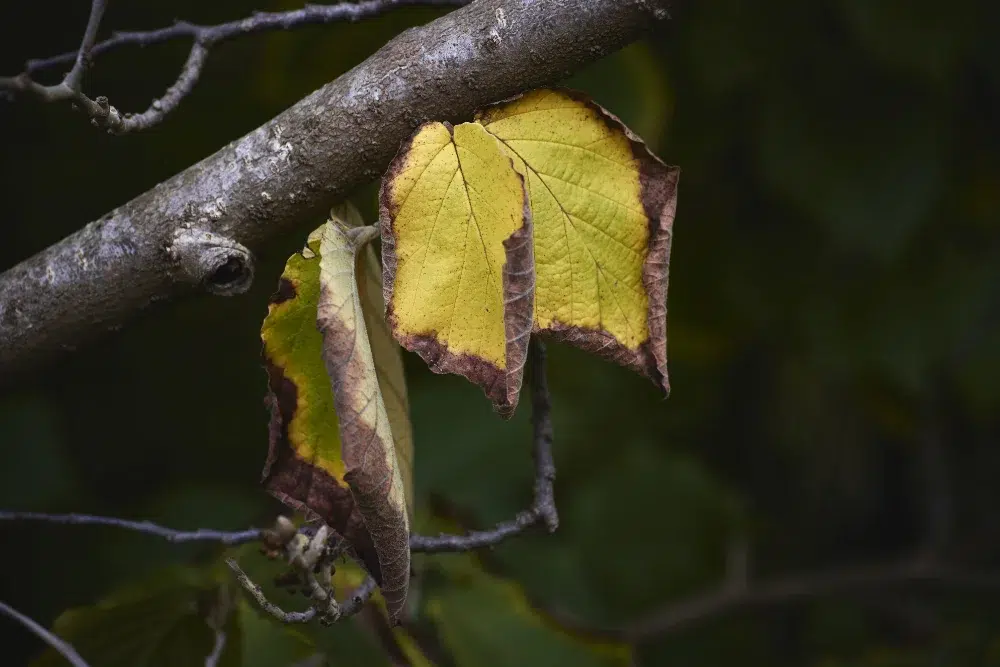
Common Tree Watering Mistakes and Solutions
Even with the best intentions, tree watering can go sideways. Too little, too much, or simply watering the wrong way can stress a tree and undo your hard work. This section covers the most common problems, how to recognize them, and what to do next.
Underwatering and Overwatering
Water stress shows up in different ways depending on whether your tree is getting too little or too much. Knowing the difference helps you fix the issue before it gets worse.
Signs of Underwatering:
Signs of Overwatering:
Solutions for Underwatering:
Solutions for Overwatering:
Other Issues
Here are some other common mistakes beyond over or underwatering:
Poor Water Distribution
Watering at the Wrong Time
Compacted Soil
When to Call a Professional
Sometimes the problem isn’t just water. If you’ve adjusted your schedule and trees still look stressed, it’s time to bring in help. Our team of certified arborists can perform a full tree inspection to check for compacted soil, pests, or diseases that mimic watering issues.
At SpinBlade, we take a careful, professional approach to tree watering and inspections to ensure every tree receives the right care at the right time for lasting health and resilience. Proper watering goes hand-in-hand with regular inspections to catch potential problems early and support strong root systems.
Our Methods
Learn more about our professional tree care services.
FAQ: Tree Watering
Here are answers to common questions about tree watering that aren’t fully addressed in the main text:
In Short,
Tree watering is more than a helpful gesture to your tree, it’s a critical part of keeping your it healthy, strong, and resilient. Knowing how and when to water, paired with regular inspections, ensures your trees thrive for years to come. By applying the right methods at the right time, you protect your trees’ health, enhance your landscape, and safeguard your investment.
Not sure how much water your trees need? Book a tree watering inspection today.
From moisture assessments to customized watering solutions, our team can help your trees thrive. Contact us today and discover simple ways to protect your property’s most valuable natural assets.


