Tree removal is one of those decisions property owners don’t take lightly, but sometimes, it’s the only safe option. Whether you’re dealing with a dead tree, storm damage, or roots threatening your foundation, understanding what is tree removal and how the process works helps you make the right call. This guide covers everything you need to know, from the basics to the costs.
Understanding Tree Removal
Tree removal is a critical part of responsible property care, and knowing the fundamentals helps you protect your home, your landscape, and the people around you.
What Is Tree Removal ?
Tree removal is the process of completely cutting down and eliminating a tree from your property, including the trunk, branches, and in some cases, the root system. It is typically carried out by a certified arborist using specialized equipment to ensure the job is done safely and efficiently.
Why Is Tree Removal Important?
Removing a tree at the right time protects your property from serious damage and prevents safety hazards before they escalate. Here are three key reasons why it matters:
- Safety first: Dead, leaning, or structurally compromised trees can fall without warning, putting people and property at serious risk
- Property protection: Trees growing too close to structures, power lines, or underground utilities can cause costly damage over time
- Landscape health: Removing a diseased or dying tree prevents the spread of infection to healthy surrounding trees and plants
Check out our detailed guide to learn more about tree care.
What Are the Benefits of Tree Removal?
When done by a professional, removing a problematic tree delivers real, lasting benefits for your property:
Common Reasons to Remove a Tree
Ottawa property owners remove trees for a wide range of reasons. The most common include:
Is Tree Removal Dangerous?
Tree removal is one of the most hazardous jobs in the landscaping industry. Falling branches, heavy equipment, unstable trunks, and proximity to power lines all create serious risks that can result in injury or property damage. Unless you have professional training and the right equipment, attempting to remove a tree yourself is never worth the risk, hiring a certified arborist is always the safer and smarter choice.
The Tree Removal Process
Understanding how professionals approach tree removal gives you confidence in the process and helps you know exactly what to expect from start to finish.
8 Signs That a Tree Needs to Be Removed
Knowing when to call a professional can save you from serious property damage or a safety emergency. Here are the most common warning signs that a tree on your property needs to come down:
- Dead or falling branches that break off without warning
- Visible cracks, splits, or cavities in the trunk
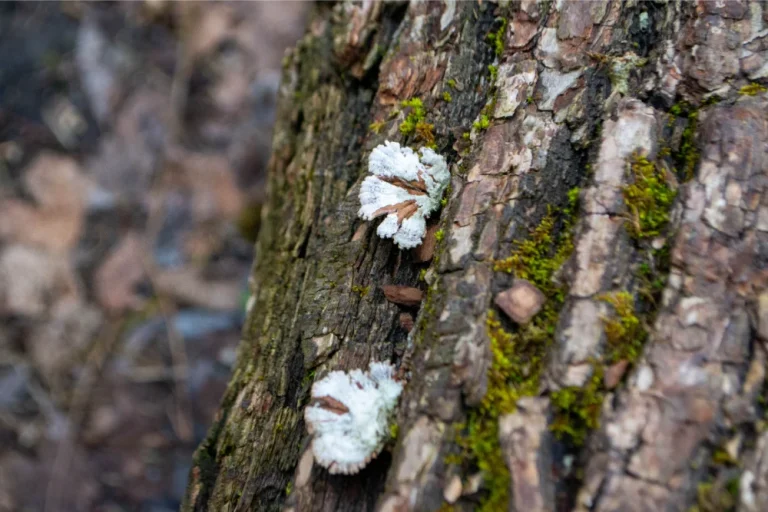
- Fungal growth or mushrooms at the base of the tree
- The tree is leaning suddenly or more than usual
- Leaves failing to grow back in spring
- Excessive pest activity or signs of infestation
- Roots lifting the sidewalk or cracking your driveway
- More than 50% of the tree’s structure is damaged or dead
Do you Need Safe and Efficient Tree Removal ?
Need a tree removed safely? Contact our experts today for fast and reliable tree removal services!

How to Remove a Tree — Step by Step
As certified arborists, we’ve seen firsthand how quickly a compromised tree can become a serious hazard when the warning signs are ignored. Here are the most common signs our team looks for when assessing whether a tree needs to be removed.
- Assessment and planning: The arborist evaluates the tree’s health, structure, and surrounding hazards to determine the safest removal approach
- Permit and approval: Where required by the City of Ottawa, the necessary permits are obtained before any work begins
- Safety setup: The area is cleared, safety barriers are set up, and the crew puts on protective gear
- Branch removal: Branches are removed from the top down before the main trunk is addressed
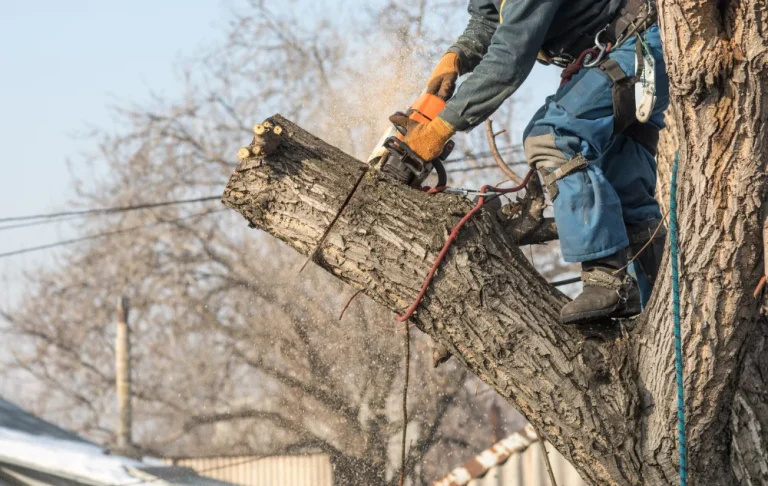
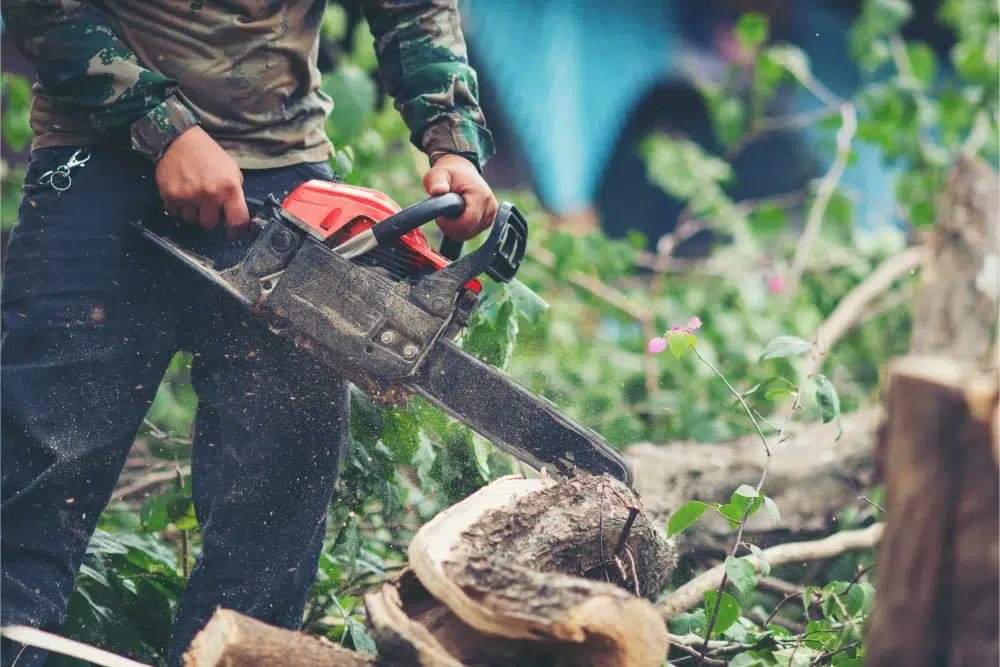
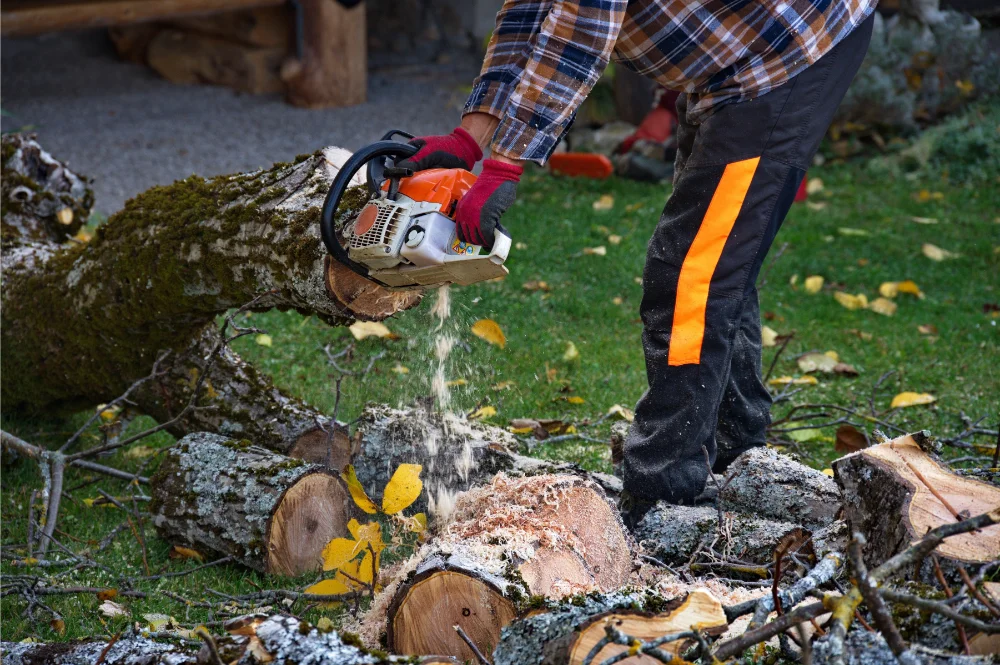
- Cutting and felling: The trunk is sectioned and felled in a controlled direction using chainsaws, ropes, and rigging
- Stump and root handling: The stump is ground down or fully extracted depending on the situation
- Debris cleanup: All wood, branches, and chips are cleared from the site, leaving your property clean
Keep in mind that It’s always about choosing the right removal technique, and the correct step
What Tools and Equipment Do Professionals Use?
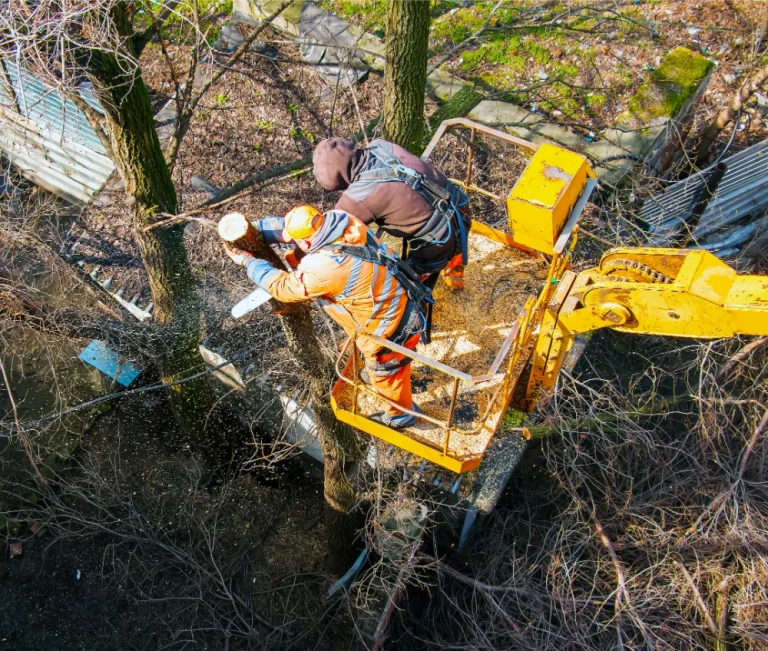
Every tree removal job is different, and using the right equipment is what separates a safe, controlled removal from a dangerous one. Here is a breakdown of the tools our certified arborists rely on and when each one comes into play:
| Equipment | Purpose | When We Use It |
|---|---|---|
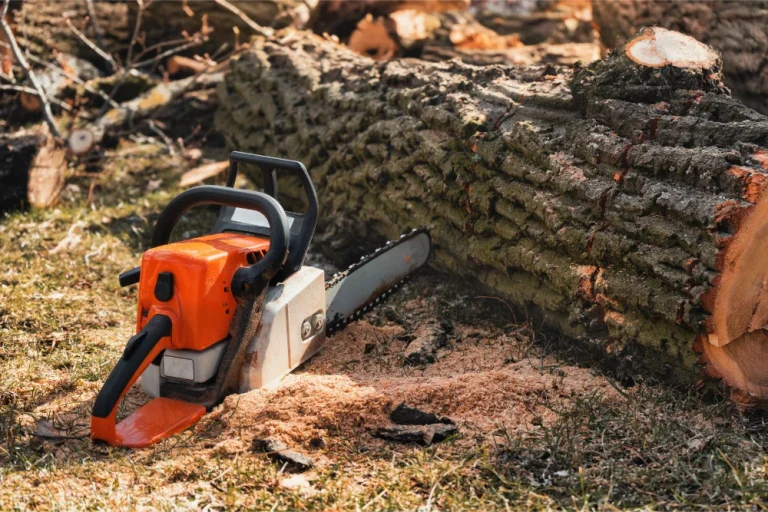
| Chainsaw | Primary cutting tool for trunk and large branches | Every removal job |
| Pole saw | Cutting high branches safely from the ground | Tall trees with high canopy |
| Stump grinder | Grinding the stump below ground level after removal | When stump removal is requested |
| Wood chipper | Processing branches and debris into wood chips | Debris cleanup on every job |
| Bucket truck | Reaching tall trees safely without climbing | Large or tall trees in open areas |
| Crane | Lifting and removing large sections in tight spaces | Trees near structures or power lines |
| Climbing ropes and rigging | Controlled lowering of cut sections | Complex removals requiring precision |
| Hard hats and safety harnesses | Protecting the crew throughout the job | Every removal job without exception |
| Wedges and sledgehammers | Guiding the direction of the fell | Directional felling on every job |
What Happens to the Stump and Roots After Removal?
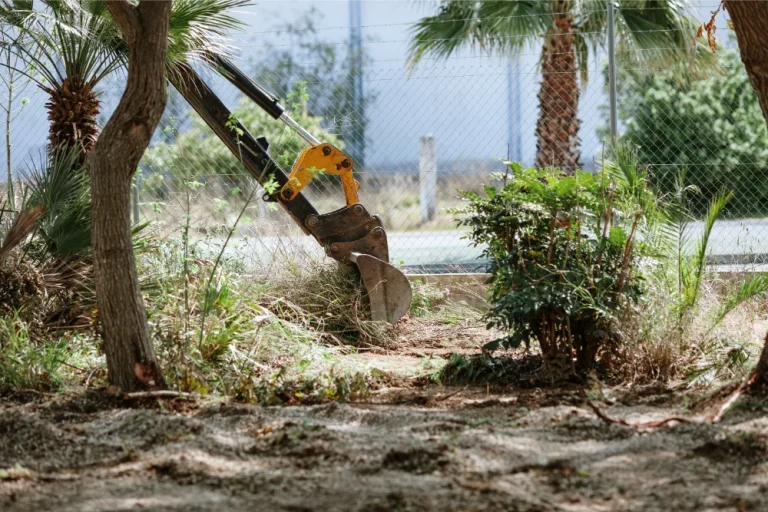
Once the tree is down, the stump and root system remain in the ground and need to be addressed separately. Stump grinding is the most common option — a machine grinds the stump into wood chips just below the surface — while full tree root removal involves extracting the entire root system, which is more invasive but necessary when roots are causing structural damage to your foundation, pipes, or driveway.
Additional Considerations for Ottawa Property Owners
Beyond the basics, there are a few important factors specific to Ottawa that every property owner should be aware of before scheduling a removal.
Do You Need a Permit to Remove a Tree in Ottawa?
In Ottawa, whether you need a permit depends on factors like the tree’s size, species, location, and whether the property is residential or commercial. The City of Ottawa has bylaws in place to protect certain trees, particularly those on public property or within regulated zones. Before removing any tree, it’s always worth checking with your local municipality or having your arborist confirm the requirements — skipping a required permit can result in fines and legal complications.
Tree Removal for Landscaping
Sometimes removing a tree is not about safety at all — it’s about improving your outdoor space. Tree removal for landscaping can open up room for new construction, patios, gardens, or simply let more sunlight reach areas of your yard that have been shaded for years. The right removal, done by tree service experts, can completely change the look and functionality of your property.
How Much Does Tree Removal Cost in Ottawa?
The cost of tree removal in Ottawa varies depending on several factors, but having a general idea of what to expect helps you plan and avoid surprises. Here is a breakdown of the main pricing factors along with estimated ranges based on Canadian market rates:
| Factor | Details | Estimated Cost (CAD) |
|---|---|---|
| Small tree (under 30 ft) | Less equipment and time required | $300 – $700 |
| Medium tree (30–60 ft) | More crew and equipment needed | $700 – $1,500 |
| Large tree (over 60 ft) | Heavy machinery, longer job | $1,500 – $3,000+ |
| Stump grinding | Grinding stump below ground level | $100 – $400 |
| Full root extraction | Complete removal of root system | $200 – $600 |
| Emergency removal | Urgent storm damage or hazard | $500 – $2,500+ |
| Permit fees (Ottawa) | Where required by the city | $100 – $300 |
The best way to get an accurate number for your specific situation is to contact a certified arborist directly for a free on-site quote.
Frequently Asked Questions
Tree removal can involve several steps, considerations, and costs. It often requires professional services to ensure safety and compliance with local regulations.
Conclusion
Understanding what is tree removal is vital for maintaining both the safety and appearance of your property. Before proceeding, assess the tree’s health, consider safety measures, and decide if professional help is needed for the removal and stump management. Proper planning and post-removal care ensure the process is done safely and efficiently while preserving the integrity of your landscape.
If you did not understand what is tree removal and you need help removing your trees, we are here to help you.
Do you Need Safe and Efficient Tree Removal ?
Need a tree removed safely? Contact our experts today for fast and reliable tree removal services!