Early in the growing season, some trees begin to show leaves that don’t look twisted, thickened, or discolored in ways that seem out of place. It’s easy to assume it’s a temporary reaction to weather or soil conditions, especially since the damage often appears suddenly. In many cases, though, this kind of distortion points to leaf curl, a disease that affects how leaves develop from the very start. In this article, we’ll break down how to identify leaf curl, what causes it, and the most effective ways to treat and prevent it.
What is leaf curl disease?
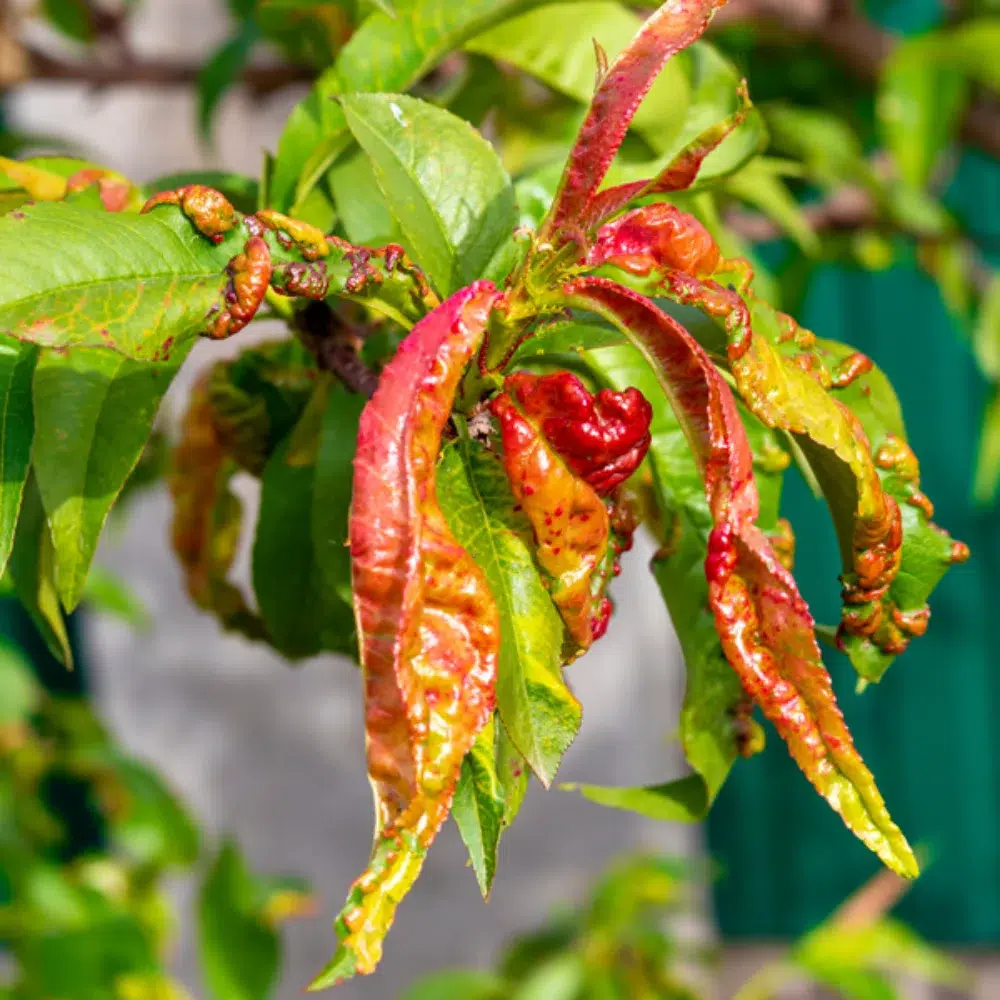
Leaf curl is a fungal disease that affects trees during the earliest stages of leaf development, often just as buds begin to open in spring. Instead of forming normally, infected leaves emerge distorted, thickened, and discolored due to the presence of fungal spores that have overwintered on the tree.
Unlike many other tree diseases that spread throughout the growing season, leaf curl infections occur during a very specific window.
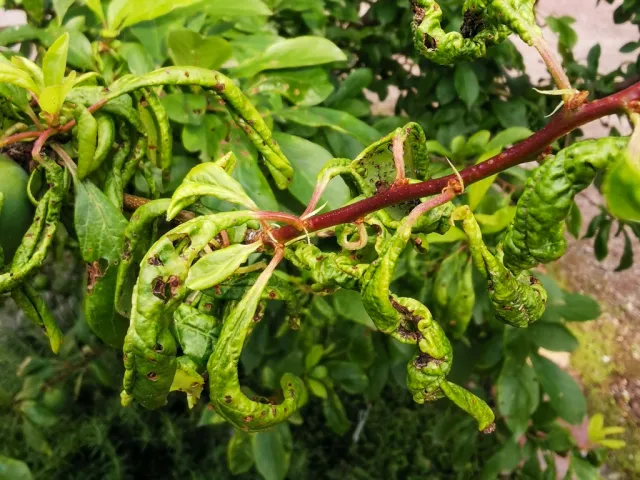
Because this damage happens so early, it can limit the tree’s ability to produce energy for the rest of the season, something that’s especially important for fruit trees, where it can directly affect yield and fruit quality.
Common trees affected by leaf curl in Canada
Leaf curl is most commonly associated with stone fruit trees, though its presence can vary depending on local climate and seasonal conditions. In Canada, it tends to show up most often in regions that experience cool, wet springs.
Commonly affected trees include:
Because the disease relies heavily on environmental conditions, trees in sheltered or poorly ventilated areas may be more prone to repeated infections.
Leaf Curl Causes & Impact on Health
To understand why leaf curl appears so suddenly, it helps to look at how the fungus survives and when it becomes active. Unlike diseases that spread continuously, this one is tied closely to seasonal timing.
Are Your Trees Losing Leaves Too Early This Spring?
Leaf curl can weaken trees and reduce fruit production fast. Spinblade provides expert diagnosis and prevention services throughout Ottawa and nearby communities.
How to identify leaf curl disease in your trees
Identifying leaf curl is relatively straightforward once you know what to look for, especially because its symptoms are quite distinct and appear early in the season. The key is recognizing both the appearance of the leaves and the timing of when symptoms show up.
Main visual symptoms to look for
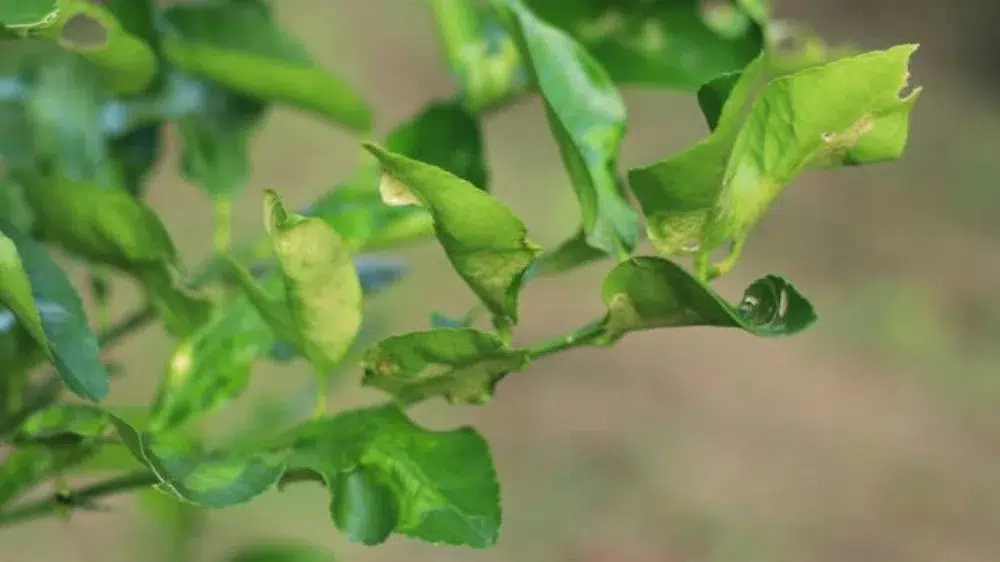
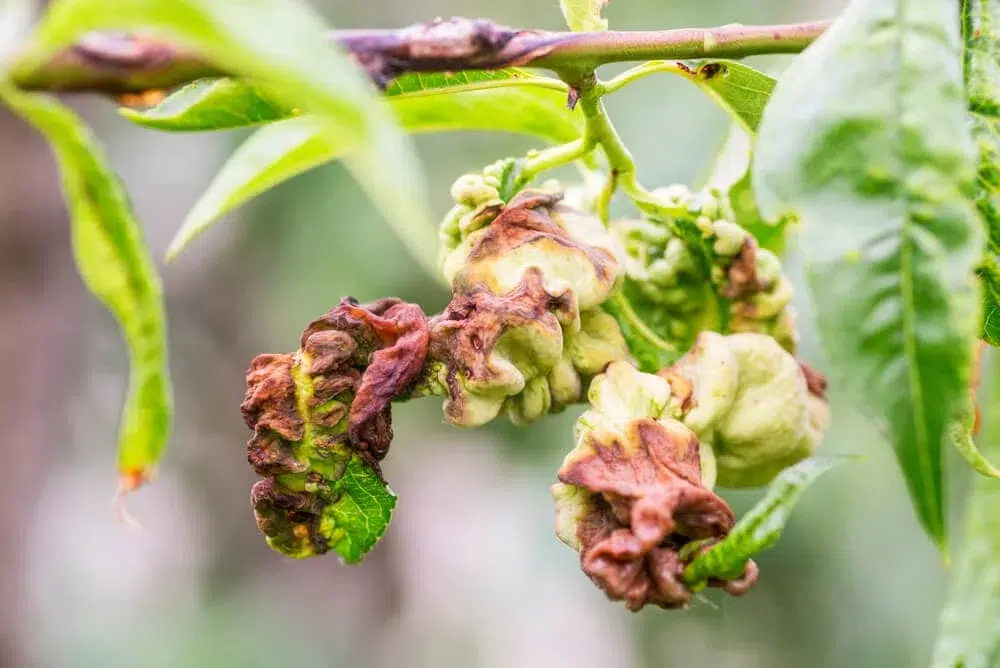
The most noticeable sign of leaf curl is the way it alters the shape and texture of leaves as they develop.
Common symptoms include:
As the disease progresses, affected leaves may dry out and drop earlier than expected.
When symptoms appear
One of the most important clues in identifying leaf curl is when the symptoms show up.
You’ll typically notice:
This timing is what separates leaf curl from many other diseases that develop or spread throughout the growing season.
Early vs advanced symptoms
| Stage | Leaf Appearance | Impact on Tree |
|---|---|---|
| Early | Slight curling, light discoloration | Minimal |
| Mid-stage | Pronounced curling, red/yellow tones | Reduced vigor |
| Advanced | Leaf drop, more widespread distortion | Ongoing stress |
In early stages, symptoms may be subtle, but they quickly become more pronounced as leaves continue to develop improperly.
What to Rule Out
When assessing symptoms, it helps to first rule out more common conditions that can create similar visual changes.
The key distinction is that leaf curl affects both the shape and structure of leaves early in the season, while most other conditions affect color, surface, or overall health in different ways.
How to treat leaf curl disease in trees
Once leaf curl appears, the focus shifts from trying to “fix” the current leaves to preventing future infections. Because the fungus infects leaves as they emerge, most of the damage you see during the season has already happened. Effective treatment is all about timing and prevention, not reacting after symptoms show up.
Preventative treatment (the most important step)
The single most effective way to manage leaf curl is through dormant-season fungicide applications. This targets the fungus before it has a chance to infect new growth.
Key steps:
Timing is critical here, once buds open, treatments are no longer effective for that season.
What to do during the growing season
Once symptoms are visible, there’s little that can be done to reverse them, but you can still support the tree’s overall health.
Helpful steps:
Many trees will produce a second flush of healthier leaves later in the season if conditions improve.
When to call a professional
If leaf curl returns year after year or affects a valuable tree, professional care can make a difference, mainly by ensuring treatments are applied at the right time.
You may want expert help if:
Professional treatment plans focus on prevention scheduling, which is the key to keeping the disease under control.
Don’t Let Leaf Curl Ruin Your Growing Season.
Early damage can affect tree health and fruit production for months. Spinblade helps homeowners across Ottawa and surrounding areas stay ahead with proper timing and prevention.
Frequently Asked Questions
Here are common questions homeowners have when trying to identify tree problems:
In Short,
Leaf curl is one of the more predictable tree diseases once you understand its timing. While it can’t be reversed during the season, proper preventative treatment and early identification make it manageable year after year.