Leaf discoloration is one of the most common signs that something isn’t right with a tree, but not all patterns point to the same cause. Sometimes, what looks like uneven yellowing or patchy color isn’t related to soil or weather at all. Mosaic Virus is one of those conditions that can quietly affect how a tree grows and functions over time. Because it can be difficult to recognize early on, this article breaks down how to identify Mosaic Virus, how it spreads, and what you can realistically do to manage it.
What is Mosaic Virus disease?
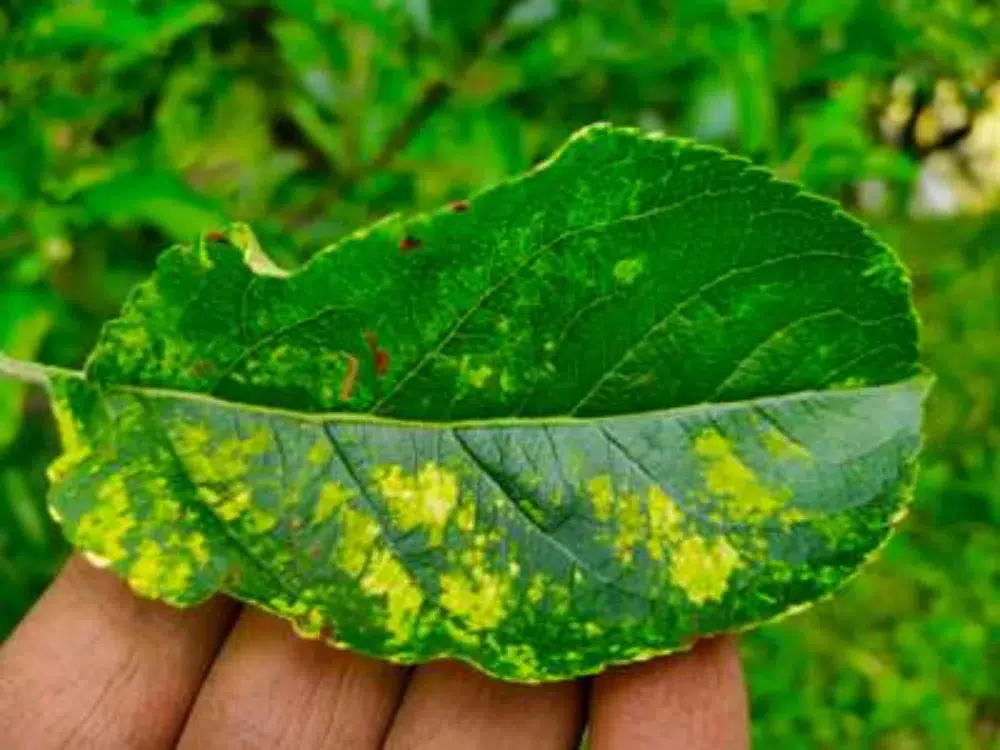
Mosaic virus is a plant disease caused by a group of viruses that interfere with a tree’s ability to produce chlorophyll properly. Instead of healthy, evenly colored leaves, infected trees develop irregular patterns of light and dark green or yellow areas, giving a mottled or “mosaic” appearance. Within the broader category of types of tree diseases, mosaic virus stands out because it affects leaf pigmentation and growth patterns rather than causing structural damage or visible lesions.
Unlike bacterial or fungal issues, viral infections like mosaic virus live within the plant’s cells and cannot be treated directly. This makes early identification especially important, as management focuses on limiting spread and reducing stress rather than eliminating the disease itself.
Common trees affected by mosaic virus in Canada
Mosaic virus can affect a range of trees and ornamental plants, though its visibility and impact can vary depending on the species and growing conditions. In Canada, it is most commonly observed in trees and shrubs that are frequently propagated or exposed to insect activity.
Commonly affected trees include:
Because the virus is often introduced through propagation methods like grafting or spread by insects, its presence is more likely in managed landscapes, nurseries, and areas with higher plant density.
Mosaic virus Causes & Impact on Health
Understanding how mosaic virus spreads helps explain why it can persist in a landscape and affect multiple plants over time. Unlike soil-borne diseases, it relies on direct transfer between plants or through vectors.
Noticing Strange Leaf Patterns on Your Trees?
What looks like minor discoloration could be mosaic virus. Spinblade helps homeowners in Ottawa and nearby communities diagnose the issue and take the right next steps.
How to identify mosaic virus disease in your trees
Identifying mosaic virus relies heavily on observing leaf patterns and how they develop over time. Because symptoms can resemble other common issues, careful attention to detail is important before drawing conclusions.
The most recognizable sign: mottled leaf patterns
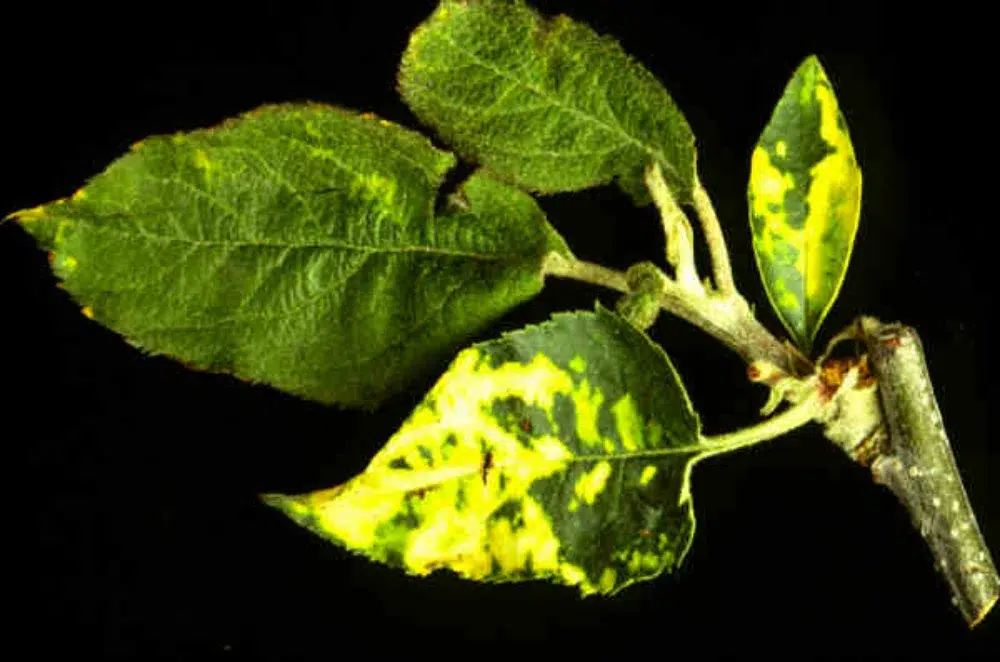
The defining characteristic of mosaic virus is its effect on leaf coloration. Instead of uniform green leaves, infected trees develop irregular, patchy patterns.
Typical symptoms include:
These patterns are often consistent across multiple leaves rather than isolated to one area, which helps distinguish the condition from localized damage.
What patterns to look for over time
One of the clearest indicators of mosaic virus is how symptoms persist and repeat. Unlike temporary stress-related discoloration, the patterns tend to follow a consistent behavior.
You may notice:
Because the virus is internal, new growth often carries the same visible traits as the plant continues to develop.
Early vs advanced symptoms
| Stage | Leaf Appearance | Impact on Tree |
|---|---|---|
| Early | Light mottling, slight discoloration | Minimal |
| Mid-stage | Clear mosaic pattern, mild distortion | Reduced vigor |
| Advanced | Smaller leaves, more distortion | Long-term weakening |
In early stages, the symptoms may be subtle enough to overlook. As the condition progresses, the patterns become more defined and can begin to affect overall growth.
What mosaic virus is often confused with
Because mosaic virus primarily affects leaf color and pattern, it’s often mistaken for other common foliage issues. The challenge is that many conditions can cause discoloration, but the type of pattern and how it develops over time are what set mosaic virus apart.
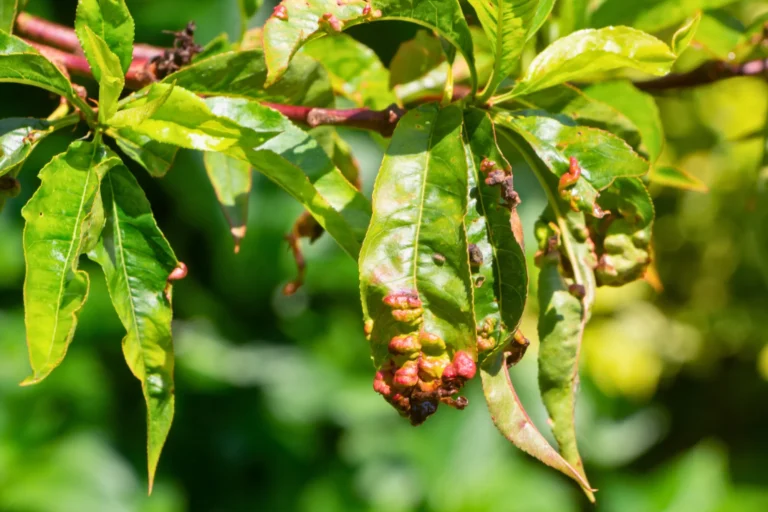
One common point of confusion is leaf curl, as both can lead to distorted or abnormal-looking leaves. However, mosaic virus typically creates a mottled pattern of light and dark areas, while leaf curl causes more pronounced curling, thickening, or puckering of the leaf surface.
Other conditions that can appear similar include:
A key distinction is that mosaic virus produces irregular, repeating patterns across multiple leaves, rather than isolated damage or surface-level coatings.
How to treat mosaic virus disease in trees
Once mosaic virus is identified, the focus shifts from treatment to management. Because it’s a viral disease, there is no direct cure, so the goal is to reduce stress, limit spread, and maintain overall tree health.
What you can do to manage it
For most trees, especially established ones, the priority is supporting the tree so it can continue functioning despite the infection.
Helpful practices include:
These steps help the tree remain resilient, even if the virus remains present.
Preventing spread
Limiting the spread of mosaic virus is just as important as managing an infected tree.
Key prevention steps:
Since the virus spreads through sap and vectors, small habits can make a significant difference over time.
When removal should be considered
In many cases, trees can live with mosaic virus for years. However, professional tree removal may be worth considering in certain situations:
Deciding whether to remove a tree often comes down to its condition, location, and role in the landscape.
Concerned About a Failing Tree on Your Property?
When a tree becomes a risk, timely removal matters. Spinblade provides expert tree removal services throughout Ottawa and nearby areas.
Frequently Asked Questions
Here are common questions homeowners have when trying to identify tree problems:
In Short,
Mosaic virus is easy to overlook at first, but its impact on leaf function and long-term tree health makes it important to recognize early. While it can’t be cured, understanding how it spreads, how to identify it accurately, and how to manage its effects can help you maintain healthier trees over time.