


In the quiet of an early spring morning, you might step outside and notice your backyard trees looking a little different, a branch hanging oddly, a patch of missing bark, or subtle changes in leaf colour. These small signs often mean it’s time for a proper tree inspection. A good inspection isn’t just about spotting problems; it’s about understanding a tree’s health, ensuring safety, and preserving its life for years to come. This guide will walk you through everything you need to know about inspecting trees, from what to look for to when professional help is the safest choice.
What Is A Tree Inspection?
A tree inspection is a systematic look at a tree’s overall condition, focusing on structure, stability, and signs of stress or decline. It usually involves checking the trunk, branches, roots, and surrounding soil to identify both visible defects and subtle health issues. While not as in-depth as lab testing or advanced diagnostics, a standard inspection gives you a reliable picture of whether a tree is safe, healthy, and likely to thrive.

Why Should I Inspect My Tree?
Regular inspections offer are more than just routine. They play a critical role in safety, maintenance, and long-term planning for your property.
Benefits of Tree Inspections include:
Common Problems Inspections Catch
A routine tree inspection is often the difference between a manageable fix and a dangerous, costly failure. Many tree issues develop slowly and can go unnoticed until the damage is advanced. Regular inspections make it possible to identify these problems early and take corrective action before they threaten safety or tree health.
By keeping an eye out for these issues, inspections turn potential emergencies into manageable maintenance tasks.
Worried about the safety and health of your trees?
From detailed visual checks to full structural assessments, our team can help identify risks and preserve your trees for years to come. Contact us today and take the first step toward protecting your property and its natural beauty.
When to Inspect (Timing & Triggers)
Inspections aren’t just a one and done task. They should be part of ongoing tree care.
How Often: Basic Schedules by Tree Age/Type
Not all trees need the same inspection frequency. Younger trees grow quickly and may need more frequent checks, while mature trees often require focused but less frequent reviews. The table below gives a simple guide for planning.
| Tree Age/Type | Suggested Inspection Schedule |
|---|---|
| Young trees (<10 years) | Annually to guide structure and catch early defects |
| Mature trees (10–50 years) | Every 1–2 years for health and safety |
| Old or heritage trees (50+ years) | Biannually or after major weather events |
| Recently transplanted trees | At least once per season during first 2 years |
Tools, PPE & What You’ll Need
A successful tree inspection doesn’t require a truckload of equipment, but having the right basics on hand makes the process safer and more effective. Homeowners can manage with a simple toolkit, while professionals may bring advanced gear to get a clearer picture of structural and health issues.
Basic Homeowner Toolkit
You don’t need arborist certification to take a meaningful look at your tree, but a few tools will make the inspection easier and more thorough.
Helpful items include:
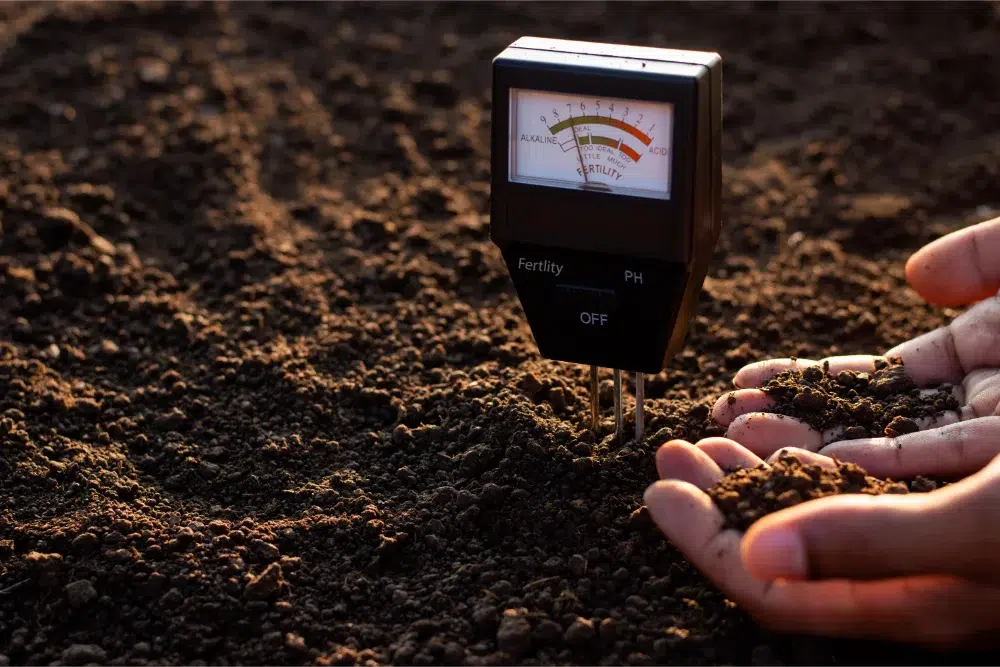
While testing soil, it’s also smart to check moisture levels as part of regular tree watering practices.
Safety Gear & Ladder Best Practices
Personal safety should always come first during a tree inspection.
Basic protective gear such as gloves, sturdy shoes, and a helmet can prevent small injuries, while proper ladder use is critical for canopy checks. Never lean ladders against branches or attempt to climb high into the crown. If defects are beyond safe reach, that’s a clear signal to call in a professional.
Professional Diagnostic Gear
Certified arborists often bring tools that provide a deeper look into tree structure and integrity. Instruments like resistographs (to measure internal decay), sonic tomography devices (to map hollow areas inside trunks), and detailed soil analysis kits can uncover problems not visible to the eye. These advanced tools aren’t necessary for a homeowner’s routine check, but they highlight the value of professional assessments when red flags are found.
Assessments Involved (What You’re Evaluating)
A thorough tree inspection involves assessing different aspects of the tree to decide on the best course of action. These evaluations help determine whether the tree is safe to keep, needs maintenance, or requires removal.
Tree Health Assessment
A tree health assessment focuses on the tree’s overall vigor. Inspectors look for steady growth, healthy leaf coverage, and strong budding patterns, while also checking for pests, diseases, and signs of decline. This allows for easier plan treatments before small issues escalate.
Structural Risk Assessment (Failure Potential)
This part of a tree inspection estimates the likelihood that a branch, trunk, or entire tree might fail, and what damage it could cause if it does. Inspectors prioritize risks based on both the severity of defects and their proximity to people, property, or power lines.
Soil & Root Health Checks
Roots are the unseen anchor of the tree, and soil is their foundation. Inspections in this area focus on soil compaction, drainage, and root depth, with further testing recommended if conditions suggest weakness or decline underground.
Checklist: How to do Tree Inspection
Carrying out a tree inspection works best when you approach it methodically. Think of it as a walk-around that moves from the ground up, taking notes as you go. By following a consistent order, you’ll avoid missing important details and create a record you can compare over time.
1) Site Survey & Context
Start by looking at the tree’s surroundings. Construction, changes in soil grade, drainage issues, or heavy foot traffic can all stress roots and set the stage for future problems.
2) Trunk & Bark Checks
Examine the trunk closely for cracks, cankers, decay pockets, oozing sap, or bark that is peeling away. These are early indicators of structural weakness or disease.
3) Root Zone & Base Inspection
Check the soil at the base of the tree for signs of root heave, fungal collars, compaction, or girdling roots wrapping around the trunk. These conditions often hint at hidden stability issues.
4) Canopy & Branch Inspection
Using binoculars, scan the canopy for deadwood, weak branch attachments, crossing limbs, or pest activity. This helps you assess both safety risks and overall canopy health.
5) Leaves, Buds & Foliage Evaluation
Look for discolored leaves, sparse budding, or uneven growth patterns. These can signal nutrient deficiencies, water stress, or disease progression.
6) Structural Defects and Risk Signs to Note
Prioritize red flags like large trunk splits, deep cavities, visible fungal conks, sudden leaning, or significant root loss. These are high-risk problems that often require professional intervention.
7) Documenting Findings
Take photos of any defects, label them clearly, and write short notes about severity. A simple low-to-high risk scale will help you track changes between inspections.
Remediation & Maintenance
Once a tree inspection is complete, the next step is acting on the findings. The results of an inspection will dictate whether simple safety measures, ongoing maintenance, or full removal is needed. Addressing problems early keeps risks low, saves money, and supports the tree’s health.
Immediate Safety Actions Homeowners Can Take
If your inspection reveals loose or dead branches, minor cracks, or surface-level defects…
Pruning, Cabling, Bracing, and When They Help
If your inspection shows weak branch attachments, overcrowded limbs, or minor structural instability…
Soil and Mulching Practices
If your inspection notes poor soil health, compacted roots, or uneven moisture…
When Removal Is the Right Call
If your inspection uncovers deep structural decay, severe root loss, irreparable disease, or a high-risk lean…

When to Call a Professional
Not every tree inspection can or should be handled by a homeowner. When serious defects or safety concerns appear, a certified arborist has the expertise, equipment, and legal clearance to deal with them properly.
Red Flags That Require a Pro ASAP
What a Pro Will Do Differently (Diagnostics & Remedies)
Professionals can use advanced diagnostic tools, climb or rig safely for removals, and handle permits or legal requirements that go beyond DIY capabilities.
Our Approach to Tree Inspection
At SpinBlade, we take a careful and professional approach to tree inspection, ensuring every check delivers clear insight into tree health, safety, and long-term care needs.
Our Methods
Certified Arborists: Our inspections are carried out by certified arborists trained to detect early warning signs, assess risk accurately, and advise on the safest next steps.
Commitment to Safety, Health, and Longevity
We prioritize your trees’ safety and vitality, safeguarding your property while enhancing your landscape’s value and beauty. Through expert inspections and practical recommendations, we help you protect your trees for years to come.
Learn more about our professional tree inspection services.
FAQ: Tree Inspections
Here are answers to common questions about tree inspections that aren’t fully addressed in the main text:
In Short,
A regular tree inspection is one of the most effective ways to protect your trees, your property, and your peace of mind. By catching issues early, you can save on costly repairs, extend the life of your trees, and reduce the risk of dangerous failures. Whether you handle the basics yourself or call in a professional for complex cases, consistent inspections turn tree care into a proactive, long-term investment.
Worried about the safety and health of your trees?
From detailed visual checks to full structural assessments, our team can help identify risks and preserve your trees for years to come. Contact us today and take the first step toward protecting your property and its natural beauty.


