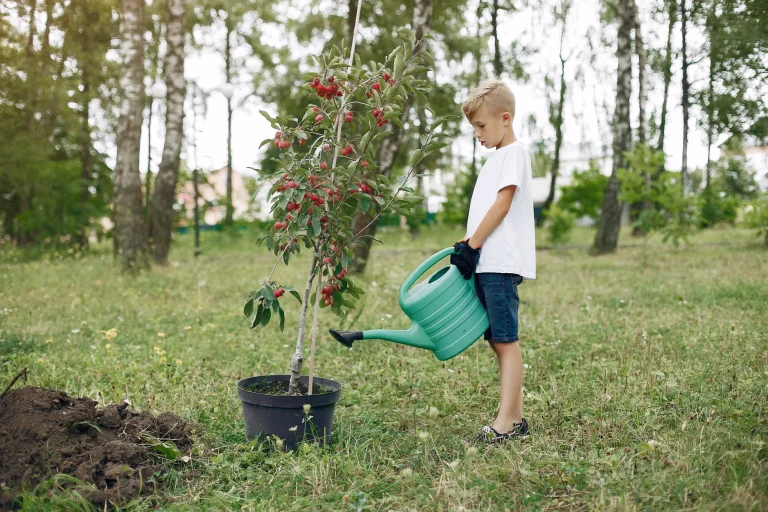
Want a yard full of healthy, thriving trees? Tree Mulching is one of the simplest yet most effective ways to give your trees a stronger foundation. By adding a protective layer around the base of a tree, you can improve soil quality, prevent damage, and help young trees establish strong root systems. This article will cover what tree mulching is, why it matters, and how to do it the right way. By the end, you’ll know exactly how mulching can make a difference for your landscape.
What Is Tree Mulching?
At its core, tree mulching involves spreading organic or inorganic materials around the base of a tree to protect the soil, regulate conditions, and promote healthier growth. Common materials include wood chips, bark, compost, or even gravel. While it may seem simple, how you apply mulch can significantly influence its effectiveness.

What Can Tree Mulching Do for My Tree?
In the larger scope of tree care, alongside practices like tree health assessments and fertilization, mulching is one of the most cost-effective and straightforward steps homeowners can take. It supports both young and mature trees, bridging the gap between basic maintenance and more specialized treatments.
1. Moisture Retention
Mulch helps soil hold water for longer, cutting back on how often you need to irrigate and protecting roots during dry or hot stretches.
2. Temperature Regulation
A layer of mulch works like insulation, keeping roots cooler in summer heat and shielding them from harsh winter freezes.
3. Weed Suppression
Mulch blocks sunlight at the soil surface, limiting weed growth so your tree doesn’t have to compete for water and nutrients.
4. Soil Improvement
Organic mulch breaks down over time, enriching the soil with nutrients and improving structure for stronger roots.
When to Use Tree Mulching
Not every tree needs mulching, and doing it at the wrong time or in the wrong way can cause more harm than good. Before applying mulch, it helps to think about your tree’s age, environment, and overall condition. A quick tree inspection or consultation with an arborist can confirm whether mulching is the right move for your landscape.
Use Tree Mulching On…
Not sure if your trees need mulching?
Book a professional tree inspection and let our experts guide you with safe, effective Tree Mulching services that support long-term health and growth.
What to Know Before Tree Mulching
Timing and circumstances matter when applying mulch. Spring and fall are typically the best seasons since soil is moist and temperatures are mild. Avoid piling mulch during very wet seasons, which can trap excess moisture and harm roots.
Tree Species That Benefit from Mulching
Not every tree requires the same mulching approach. Some thrive with mulch, while others don’t benefit much. Here’s a quick breakdown:
| Tree Species | Benefit from Mulching | Notes |
|---|---|---|
| Maples, Oaks, Elms | Yes | Helps with moisture retention and soil health. |
| Fruit Trees (Apple, Pear) | Yes | Prevents weeds and improves yield. |
| Pine Trees | Limited | Naturally create their own mulch with needles. |
| Desert Species (Mesquite, Palo Verde) | No | Adapted to dry soil; mulching can cause over-moisture. |
Best Time to Apply Mulch
Tree mulching is most effective during seasons when soil conditions support healthy root growth. The two best windows are spring and fall, when temperatures are moderate and moisture levels are steady.
Mulching during the peak of summer droughts or in waterlogged winter soils can create stress instead of relief. Applying mulch in sync with the tree’s natural growth cycles ensures the best results.
Tree Age and Mulching
Tree age plays an important role in deciding how and when to mulch:
How To Do Tree Mulching
Tree mulching isn’t just about throwing down wood chips, the right materials, depth, and application techniques make all the difference. This section walks you through everything from choosing mulch types to applying it properly so your trees actually benefit.
1. Choosing the Right Mulching Materials
The type of mulch you use directly impacts soil and tree health. Materials generally fall into two categories: organic and inorganic.
How to Choose:
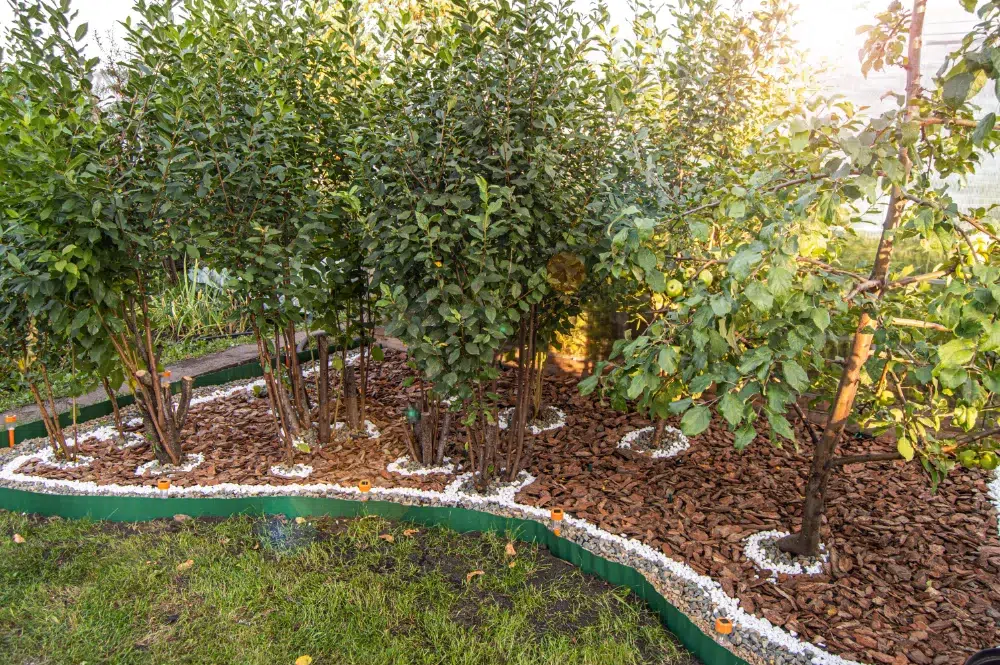
2. Preparing the Site
Before spreading mulch, proper site preparation will help maximize benefits and avoid harm to your tree.
2.1. Remove Existing Weeds or Turf
2.2. Loosen Compacted Soil
2.3. Ensure Proper Drainage
By preparing the site thoroughly, you set the stage for tree mulching to work effectively, protecting roots, improving soil health, and preventing problems before they start.
3. Applying Mulch Properly
How you apply mulch matters just as much as what you use.
- Spread mulch in a wide, even circle: Extend the mulch layer out to the tree’s drip line, the area directly beneath the outermost branches. This gives the roots the most coverage and protection.
- Keep mulch 3–4 inches deep: A moderate layer retains moisture and regulates soil temperature without suffocating roots or blocking oxygen. Layers thicker than 4 inches can harm root health.
- Always keep mulch 3–6 inches away from the trunk: Avoid piling mulch against the bark, which creates “mulch volcanoes.” These can trap moisture, cause bark rot, attract pests, and encourage fungal growth.
- Refresh mulch every 1–2 years: Mulch breaks down over time, so topping up is necessary. Add a thin layer on top of the old mulch rather than piling on a heavy layer, which can smother roots.
From spreading to proper placement, we do the mulching for you.
Our team applies mulch the right way, protecting roots, improving soil, and keeping your trees healthy year-round.
Common Mistakes in Tree Mulching (and What to Do Instead)
Tree mulching is simple in theory, but it’s easy to make mistakes that undo the benefits. Here are some of the most common errors and better practices to replace them.
| Common Mistake | Why It’s a Problem | What to Do Instead |
|---|---|---|
| The Mulch Volcano | Piling mulch high against the trunk traps moisture, encourages rot, and attracts pests. | Keep mulch pulled back 3–6 inches from the base of the tree. |
| Too Much Mulch | Layers thicker than 4 inches can suffocate roots and block water and oxygen. | Spread mulch evenly 2–4 inches deep. |
| Wrong Materials | Fresh grass clippings or plastics can damage roots and prevent air flow. | Use organic wood chips, bark, or compost for best results. |
| Ignoring Renewal | Mulch decomposes over time, losing its benefits. | Refresh mulch every 1–2 years with a thin layer rather than piling it thickly. |

When to Hire a Professional Arborist
While tree mulching can be done as a DIY project, there are situations where professional help makes a big difference. Consider hiring an arborist if:
Professional arborists ensure mulching is done correctly to maximize benefits while avoiding common mistakes that could harm your trees.
Our Approach to Tree Mulching
At SpinBlade, we take a thoughtful, professional approach to tree mulching to ensure lasting benefits for your trees and landscape.
Certified Arborists: Our Tree Mulching services are carried out by certified arborists trained to apply mulch safely, prevent over-mulching, and support long-term tree health. Learn more about our professional tree care services.
FAQ: Tree Mulching
In Short,
Tree mulching is one of the most effective, low-cost ways to support your trees and improve your landscape. By applying it properly and avoiding common mistakes, you’ll give your trees stronger roots, healthier soil, and long-lasting protection. Whether you’re caring for a single sapling or an entire yard, tree mulching offers benefits that make it a cornerstone of smart tree care.