Not all struggling trees are dying, but knowing the difference can save you time, money, and sometimes an entire landscape. The signs of a dying tree often appear gradually, and many are easy to miss or misinterpret without context. Some symptoms are harmless or seasonal, while others signal serious internal problems that need immediate attention. This guide breaks down how to recognize early and advanced warning signs, when to act, and when professional help is the only safe option.
How Trees Decline: Stress vs. True Dying
Before assuming the worst, it’s important to understand how trees decline and why not every symptom points to irreversible damage. Many signs of a dying tree overlap with temporary stress responses, which is why trees are frequently misdiagnosed as dying when they’re actually recoverable.
Tree stress is typically caused by environmental or care-related issues such as drought, compacted soil, overwatering, or recent construction nearby. True decline, on the other hand, involves ongoing internal damage—often tied to structural failure or an underlying tree disease—that worsens over time instead of stabilizing.
Understanding this distinction helps you decide whether monitoring is enough or whether intervention is needed.
Temporary Stress Symptoms (Often Reversible)
Some warning signs look dramatic but don’t automatically mean a tree is dying. These symptoms often show up suddenly and may improve once the underlying issue is corrected.
Common stress-related symptoms include:
In many cases, proper watering, soil correction, or time is enough to restore normal growth.

First Signs of a Dying Tree (When To Take Action)
Early intervention is the difference between saving a tree and losing it. The early signs of a dying tree tend to be subtle, inconsistent, and easy to rationalize away, but they are also the most important to catch.
At this stage, the tree is under significant stress, but recovery may still be possible depending on the cause and overall health.
Early Sign #1: Canopy & Leaf Changes
The canopy is often the earliest and most honest messenger of trouble. Leaves respond quickly to stress in water transport, nutrient uptake, and internal decay, which makes canopy changes some of the most reliable early signs of a dying tree, when if you know how to read them.
One key distinction at this stage is pattern. Temporary stress tends to affect the canopy evenly, while decline usually shows up unevenly or progressively.

Early Signs #2: Bark & Branch Red Flags
When symptoms move beyond leaves and into the tree’s structure, the stakes rise quickly. Bark and branch damage often indicate that internal decay, infection, or circulation failure is already underway.
Unlike foliage issues, these are rarely cosmetic.
Seeing Signs of Decline? Find out if Your Tree Can be Saved.
SpinBlade experts identify early signs of dying trees and structural issues—so you can act before damage occurs. Schedule your assessment now!
Advanced Signs of a Dying Tree (Professional Assessment Needed)
When decline reaches this stage, symptoms become harder to reverse and easier to misjudge. The signs here tend to involve structure, stability, and internal failure rather than surface-level stress. At this point guessing becomes risky, both for the tree and for people nearby.
Late Signs #1: Structural Failure & Trunk Issues
The trunk is the tree’s primary load-bearing structure and its main pathway for water and nutrients. When decline becomes visible here, it usually means internal damage has progressed past the point where surface-level care can help.
Late Signs #2: Root System Collapse
Root failure is one of the most dangerous forms of decline because it progresses largely out of sight. By the time symptoms become visible above ground, the damage is often advanced, which is why these warning signs can feel sudden and severe.
Why root failure is especially serious:
Once a tree begins to lose its root stability, recovery is unlikely. Root collapse directly affects both nutrient uptake and structural support, making it one of the clearest late-stage signs of a dying tree and a major risk factor for sudden collapse
Bonus: Symptoms That Look Bad, But Often Aren’t
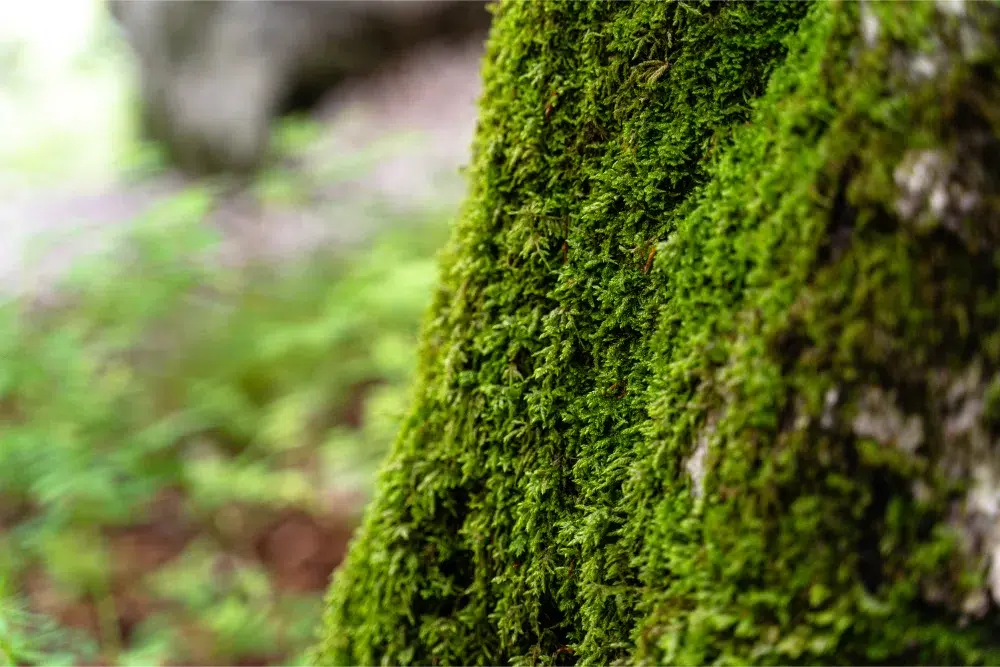
One of the most common mistakes homeowners make is assuming cosmetic or seasonal changes are signs of a dying tree, when in reality the tree is functioning normally.
Trees don’t all follow the same seasonal rhythms, and many normal species-specific behaviors can look alarming without proper context. Understanding which trees commonly show these traits helps prevent mistaking normal growth patterns for serious decline.
How to interpret these symptoms:
When these behaviors appear in isolation and stabilize over time, they are usually normal or stress-related. When the same symptoms intensify, spread to new areas, or combine with structural damage, they are far more likely to indicate real signs of a dying tree.
When There’s Nothing More You Can Do
This is the hardest section to read, and the most important to be honest about. Some signs of a dying tree indicate that recovery is no longer realistic, regardless of care or intervention.
Irreversible Decline Indicators
Certain thresholds, once crossed, mean the tree’s internal systems can no longer support life.
When decline reaches this stage, the issue is no longer diagnosis but risk management. Leaving a severely compromised tree standing can pose hazards to people, property, and nearby healthy trees,. Owners should contact a certified arborist immediately to evaluate whether removal, pruning, or other stabilization measures are necessary.

When to Call a Tree Care Professional
Even if you’ve spotted early signs of a dying tree, deciding whether to act alone or call a professional can be tricky. Professional arborists provide expertise in diagnosis, safety assessment, and treatment options that go beyond what homeowners can safely do.
| Situation | What to Look For | What a Certified Arborist Will Do |
|---|---|---|
| Rapid canopy decline | Loss of 20–30% of foliage in one season, spreading leaf dieback | Diagnose underlying causes, assess overall tree health, and suggest treatment options to halt further decline |
| Structural or trunk issues | Vertical cracks, large cavities, peeling bark, leaning trunks | Evaluate structural stability, identify risk of failure, and recommend pruning, bracing, or removal as needed |
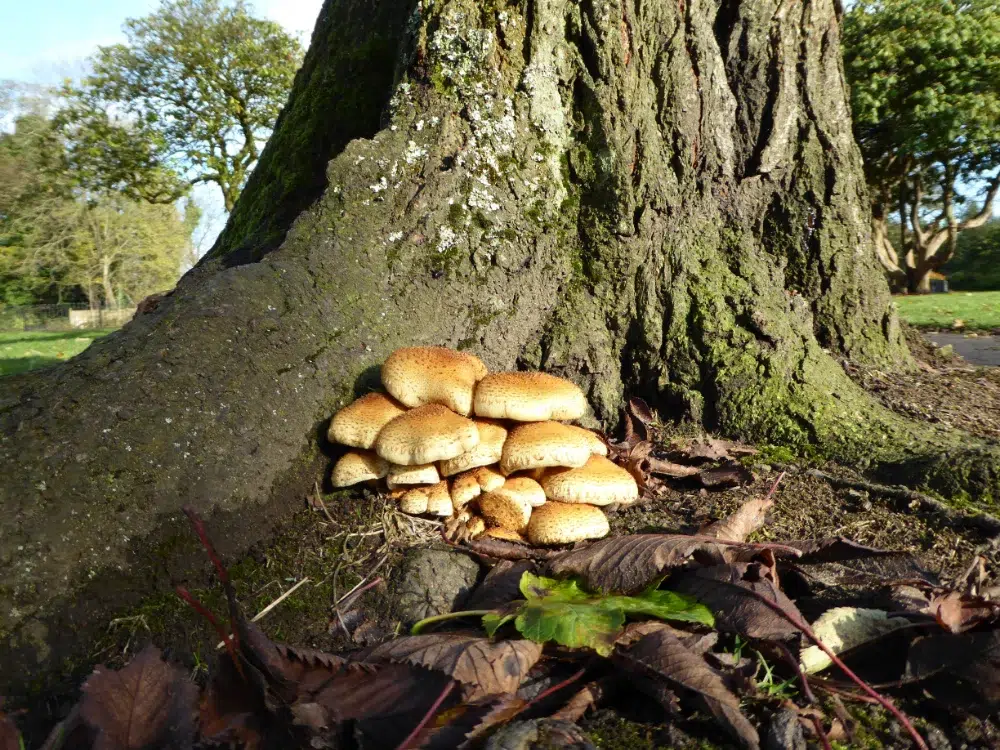
| Root instability | Mushrooms at the base, exposed or heaving roots | Examine root health, determine risk of uprooting, and suggest stabilization or safe removal if necessary |
| Repeated failure to leaf out | No new growth after a growing season | Assess energy reserves and overall viability, and provide guidance on recovery options or removal |
Calling a certified arborist ensures your tree is properly assessed for safety and health, with expert guidance on treatment, stabilization, or removal depending on the severity.
Seeing Signs of Decline? Find out if Your Tree Can be Saved.
SpinBlade experts identify early signs of dying trees and structural issues—so you can act before damage occurs. Schedule your assessment now!
FAQ: Signs of A Dying Tree
Even with careful observation, homeowners often have lingering questions. Here are answers to some of the most common concerns about tree decline:
In Short,
Recognizing the signs of a dying tree is critical for protecting your landscape, property, and safety. Early stress can often be managed with proper care, but advanced structural or root decline usually requires professional assessment. By distinguishing normal seasonal or species-specific behaviors from genuine warning signs, homeowners can make informed decisions about intervention, treatment, or removal. Staying observant, documenting changes, and consulting certified arborists ensures your trees live as long and safely as possible.