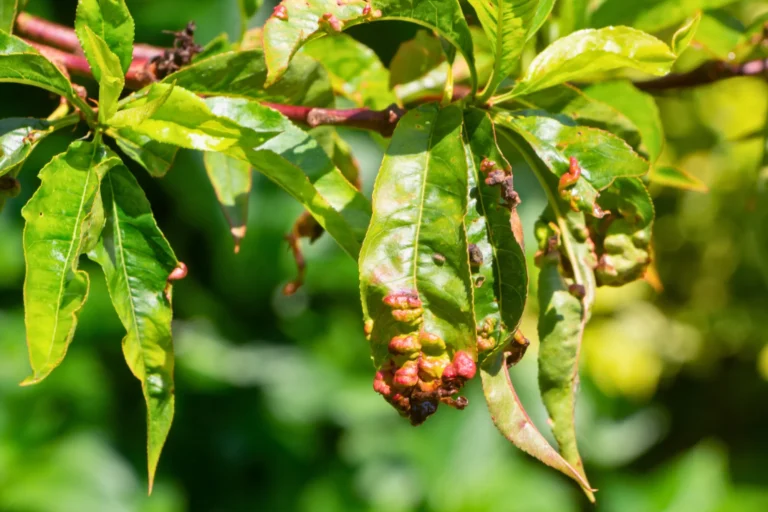
Trees usually decline gradually, which is why a tree disease often goes unnoticed until visible damage appears. Homeowners usually start searching when something looks “off,” but they’re unsure whether it’s serious or temporary. This guide explains how to tell if your tree is at risk, and when professional help is needed. It’s designed as a clear starting point, with deeper resources linked where more detail matters.
What to Do If You Suspect a Tree Disease
When a tree disorder is suspected, acting too quickly can be just as harmful as doing nothing at all. The goal early on is to avoid making the problem worse while you assess what’s actually happening.
Steps to Take Right Away
The first step is restraint. Avoid pruning, fertilizing, or treating the tree until you understand what you’re dealing with. Cutting branches or disturbing roots can accelerate the spread of disease, especially if tools aren’t disinfected between uses.
It’s also best to limit foot traffic and equipment near the tree’s base. Soil compaction and root damage reduce the tree’s ability to respond to stress at a time when it needs stability most.
Quick Tip:
If you’ve recently pruned multiple trees, clean your tools before using them again. Many tree health issues spread mechanically, not just biologically.

When to Monitor vs. When to Call a Professional
Some symptoms develop slowly and can be observed for a short period, while others signal a need for immediate evaluation. At this stage, accurate tree disease identification becomes important. Many different conditions cause similar symptoms, and treating the wrong problem often adds stress rather than relief. A professional assessment helps determine whether the issue is infectious, environmental, or structural, and how urgent it really is.
| Situation | What It Usually Means | Recommended Action |
|---|---|---|
| Mild leaf discoloration with no spread | Seasonal stress or minor environmental issue | Monitor for changes over several weeks |
| Sparse growth but no dead branches | Temporary stress or early decline | Observe and improve growing conditions |
| Rapid canopy thinning or dieback | Possible advanced health issue | Call a professional for evaluation |
| Dead or falling branches | Structural weakness or internal decay | Seek immediate professional assessment |
| Splitting bark or oozing sap | Infection or internal damage | Professional inspection recommended |
| Sudden changes affecting multiple trees | Potential spreading tree infection | Stop work and consult an expert |
When Removal Becomes the Safest Option
In advanced stages, a tree disease can weaken internal structure long before external collapse is obvious. Dead limbs, hollowing trunks, or root decay increase the risk of sudden failure, especially during storms.
When safety becomes a concern, tree cutting may be recommended as a preventative measure rather than a reaction to damage. While removal is rarely the preferred outcome, delaying it in high-risk situations can create avoidable hazards for people and property.
Is Your Tree Showing Signs of Disease? Act Now
Early intervention can save your tree and protect your property. Let our expert arborists inspect your tree and recommend the best next steps.
How to Tell If Your Tree Is at Risk
Assessing risk is more about keeping track of patterns than individual noticing one-off symptoms. This section focuses on changes that, when combined, may indicate a developing health problem.
Visible Warning Signs
Some signs are easy to spot once you know what to look for. These include unusual leaf color, early leaf drop, thinning canopies, dead branches, or abnormal growths on the trunk or roots. Many of these overlap with the early signs of a dying tree, which is why timing and progression matter as much as appearance.
One isolated symptom may not point to a tree disease, but multiple changes appearing together usually suggest declining health.
Common Visual Changes

Less Obvious Red Flags
Not all warning signs are obvious. Some indicators develop slowly and point to underlying stress that can make a tree more vulnerable to ailments over time.
These subtle shifts are easy to overlook, but they often appear weeks or months before visible decline.
What Tree Diseases Are (and Aren’t)
After addressing immediate concerns, it helps to understand what a tree disease actually is. This context makes it easier to judge severity and avoid unnecessary or harmful responses.
Disease vs. Environmental Stress
Not every struggling tree is diseased. Drought, compacted soil, poor drainage, mechanical damage, and improper pruning can all cause symptoms that resemble health issues without involving an infection at all. These stressors weaken a tree’s defenses, sometimes creating conditions where disease can take hold later.
Environmental stress usually:
- Appears evenly across the tree rather than in isolated branches
- Coincides with recent changes like drought, construction, pruning, or soil issues
- Stabilizes or improves once conditions are corrected
- Affects multiple nearby trees in similar ways due to shared conditions
Tree disease usually:
- Starts in specific areas and spreads progressively
- Worsens even when watering or care improves
- Produces recurring or seasonal symptoms
- Affects one tree more severely than others nearby
This distinction matters because treating stress like disease—or disease like stress—often leads to wasted effort and additional harm.
Common Causes and Types of Tree Disease
When a health issue is present, it’s typically caused by fungi, bacteria, or pests that exploit weakened trees. Some remain localized, while others spread through soil, water, insects, or contaminated tools.
| Disease | Affected Trees | Primary Impact |
|---|---|---|
| Dutch elm disease | Elm | Vascular blockage, canopy dieback |
| Oak wilt | Oak | Rapid leaf loss, tree death |
| Fire blight | Fruit trees | Blackened shoots, branch dieback |
| Anthracnose | Shade trees | Leaf spotting, early defoliation |
| Powdery mildew | Many species | Reduced photosynthesis |
| Armillaria root rot | Many species | Structural root decay |
A full breakdown of causes, patterns, and progression is covered in our guide to types of tree diseases, where each category is explained in detail.
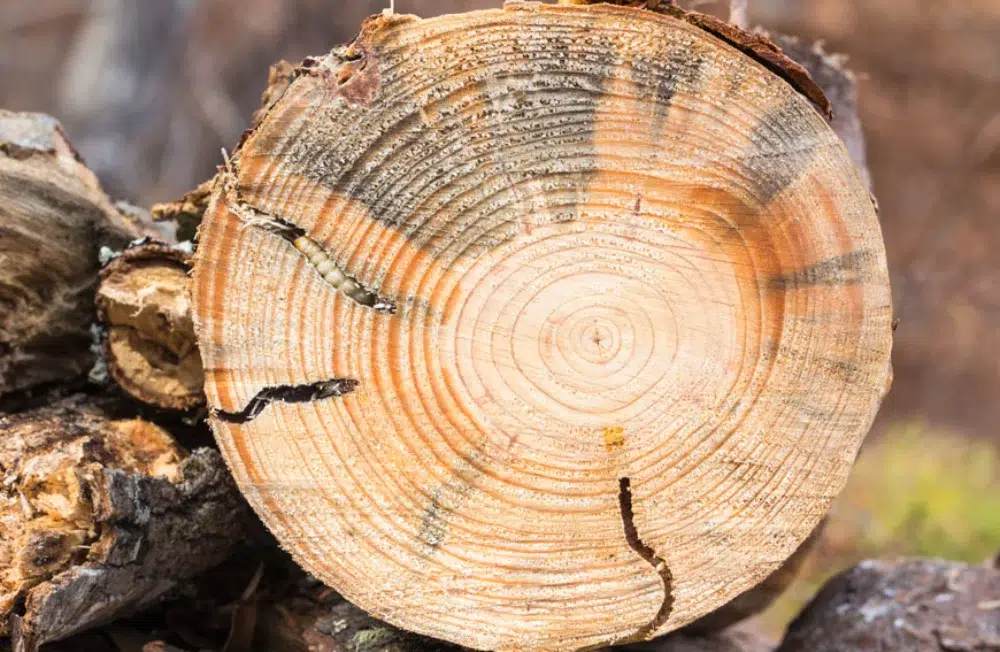
Preventing Tree Disease Long Term
Prevention doesn’t require constant treatments or aggressive intervention. In most cases, reducing the risk of infection or infestation comes down to creating stable growing conditions and avoiding stress that weakens a tree’s natural defenses.
Foundational Tree Care Practices
Healthy trees are better equipped to resist disease because they can compartmentalize damage and respond to infections more effectively. Foundational tree care focuses on supporting those internal defense systems rather than forcing rapid growth. A routine tree health assessment is one of the most effective ways to stay ahead of problems, catching early stress, structural weaknesses, or developing infections before they require serious intervention.
Proper Watering
Consistent, deep watering encourages roots to grow downward and remain resilient during dry periods. Shallow or overly frequent watering keeps surface roots stressed and oxygen-deprived, which weakens root systems and increases vulnerability to health problems.
Aggressive or Improper Pruning
Removing too much foliage at once forces a tree to redirect energy toward recovery instead of defense. Large or poorly placed cuts also create open pathways for pathogens, increasing the likelihood of infection.
Root Damage from Landscaping or Construction
Even minor root damage can disrupt water and nutrient uptake for years. Since roots regenerate slowly, the effects of construction or soil disturbance often appear long after the activity has ended, increasing vulnerability over time.
Improper Mulching
Piling mulch directly against the trunk traps moisture and encourages decay at the bark surface. This practice weakens the tree’s natural protective barrier and creates favorable conditions for fungal infections at the base of the tree.

Mistakes That Increase Disease Risk
Many tree diseases begin with well-intended actions applied at the wrong time or in the wrong way. These mistakes often weaken trees gradually, making the connection between cause and effect easy to miss.
Overwatering
Excess moisture in the soil limits oxygen availability to roots and creates ideal conditions for root-related infections and decay. Because symptoms often resemble drought stress, overwatering is frequently misdiagnosed and unintentionally worsened by additional watering.
Aggressive or Improper Pruning
Removing too much foliage at once forces a tree to redirect energy toward recovery instead of defense. Large or poorly placed cuts also create open pathways for pathogens, increasing the likelihood of health problems development.
Root Damage from Landscaping or Construction
Even minor root damage can disrupt water and nutrient uptake for years. Since roots regenerate slowly, the effects of construction or soil disturbance often appear long after the activity has ended, increasing vulnerability to long-term decline..
Improper Mulching
Piling mulch directly against the trunk traps moisture and encourages decay at the bark surface. This practice weakens the tree’s natural protective barrier and creates favorable conditions for fungal fungal infections at the base of the tree.
Need to Know if your tree is at risk?
Our experts evaluate your tree’s health and identify potential risks before they become serious. Schedule a professional assessment today.
FAQ: Tree Diseases
Tree diseases can be confusing, especially when symptoms overlap or progress slowly. These common questions address concerns homeowners often have after noticing changes.
In Short,
Tree disease can stem from many causes, but the response follows a consistent pattern: limit disturbance, assess risk, and act based on accurate identification. Understanding the difference between stress and disease, recognizing early warning signs, and avoiding common care mistakes all play a role in protecting tree health. While some issues resolve with improved conditions, others require professional intervention to prevent safety risks or spread. Approached thoughtfully, many tree health problems can be managed before they escalate into permanent loss.