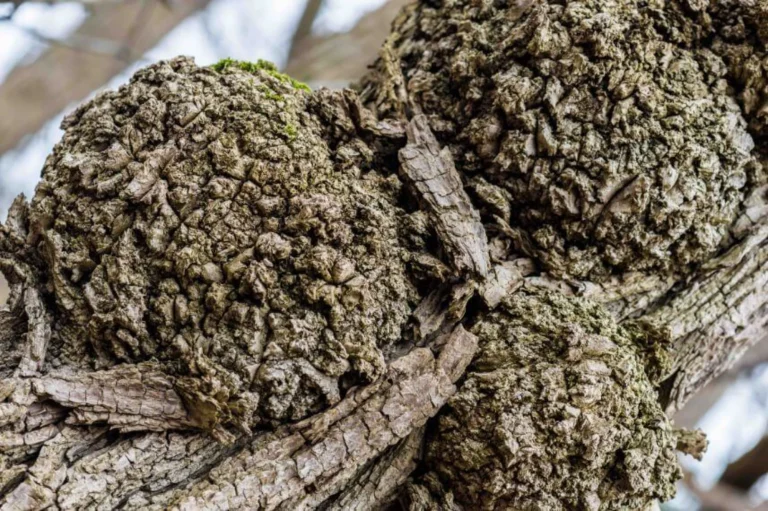
Every spring, some Canadian homeowners notice strange orange growths on nearby cedars or bright spots spreading across apple tree leaves. What looks sudden is actually part of a long, hidden cycle involving two completely different types of trees. Cedar apple rust is a fungal disease that moves back and forth between hosts, often going unnoticed until weather conditions trigger visible symptoms. This guide explains how it develops, how to recognize it early, and what practical steps can help prevent long-term damage.
What Is Cedar Apple Rust?
Cedar apple rust is a fungal plant disease that requires two completely different host trees to complete its life cycle. Unlike many other types of tree diseases that spread within a single species, this one alternates between juniper-family trees and members of the apple family, moving back and forth seasonally. Because both host groups are common in Canadian landscapes, the disease appears frequently in residential areas, orchards, and mixed urban plantings.
In Canada, infections are most common in regions with humid spring weather and widespread ornamental junipers, particularly across southern Ontario, Quebec, the Maritimes, and parts of British Columbia.
Common Varieties Affected by Cedar Apple Rust in Canada
The disease depends on two separate tree groups to survive. Without both present within spore-travel distance, the infection cycle cannot continue.
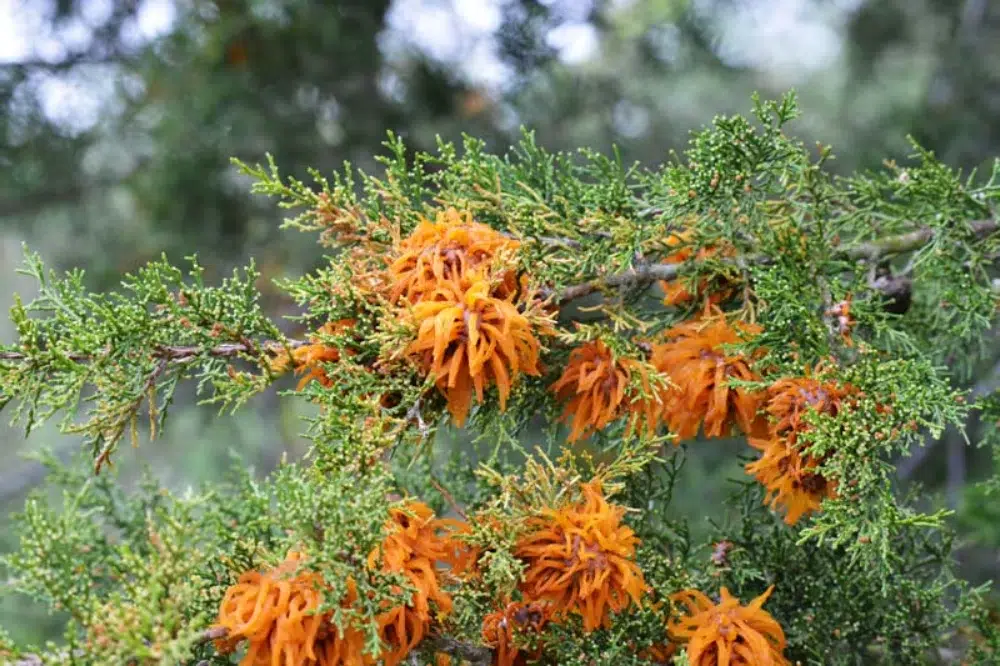
Juniper & Cedar Hosts (Winter Stage)
These hosts rarely suffer severe damage, but they play a critical role in harboring the fungus year after year.
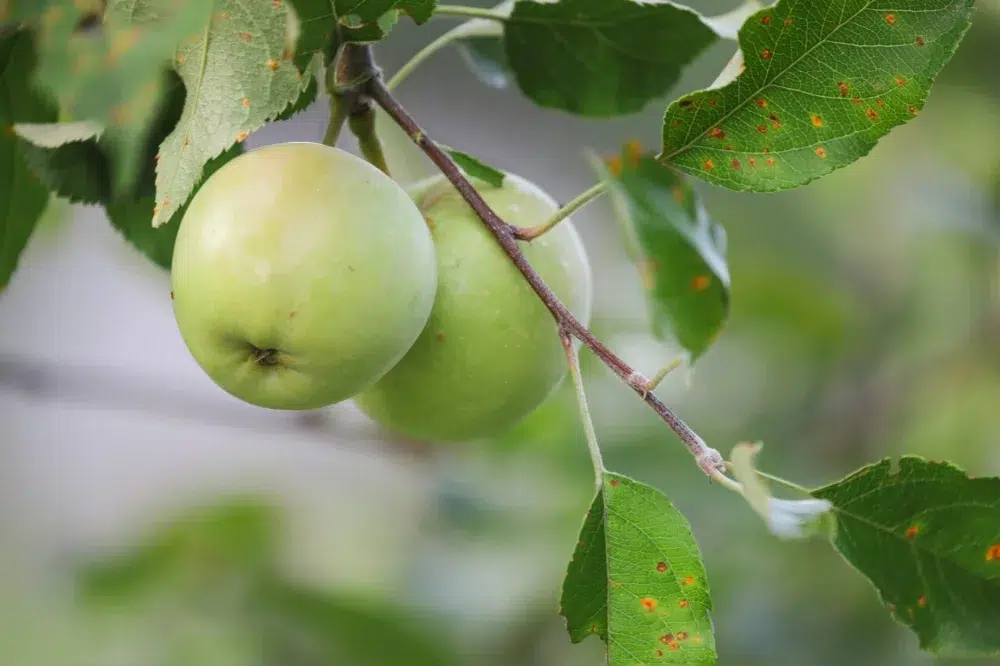
Apple-Family Hosts (Spring & Summer Stage)
These trees typically show the most visible symptoms:
Because crabapples and junipers are both popular ornamental plantings in Canadian neighborhoods, cedar apple rust often appears in suburban settings where homeowners may not realize the two hosts are unintentionally planted close together.
How It Develops and Spreads
Understanding the disease’s spread is key to controlling it, because its lifecycle depends entirely on seasonal timing and environmental conditions.
Impacts on Tree Health
Although cedar apple rust depends on two hosts to survive, it does not affect them equally. From a biological standpoint, junipers function mainly as a long-term reproductive base for the fungus, while apple-family trees serve as the site of active infection and tissue damage. This difference explains why symptoms often look dramatic on fruit trees but relatively mild on cedars, even though both are essential to the disease’s lifecycle.
The disease affects hosts differently:
| Host Tree Type | Typical Impact |
|---|---|
| Cedars & junipers | Usually minor cosmetic damage |
| Apple & crabapple trees | Leaf drop, reduced vigor |
| Fruit trees | Lower fruit quality and yield |
Repeated infections can gradually weaken apple-family trees by reducing their ability to photosynthesize efficiently. Over multiple growing seasons, this stress can compound, making trees more susceptible to drought, insect activity, and other opportunistic pathogens.
Worried About Cedar Apple Rust Spreading in Your Trees?
Early action can prevent recurring infections and long-term stress on your landscape. Our arborists can identify the source, treat affected trees, and help stop the cycle before it worsens.
How to Identify Cedar Apple Rust in Your Trees
Because this disease alternates between two very different hosts, its appearance changes dramatically depending on which tree you’re looking at and what time of year it is. Recognizing these distinct symptom patterns is essential, since early identification allows for preventive treatment before the next infection cycle begins. Cedar apple rust is often easiest to detect in spring, when moisture triggers the most visible stage of fungal growth.
Signs on Cedar and Juniper Trees
On cedar and juniper hosts, the disease typically goes unnoticed for most of the year because the fungal structures resemble ordinary plant growth. The most distinctive symptoms appear during wet spring weather.
Key indicators include:
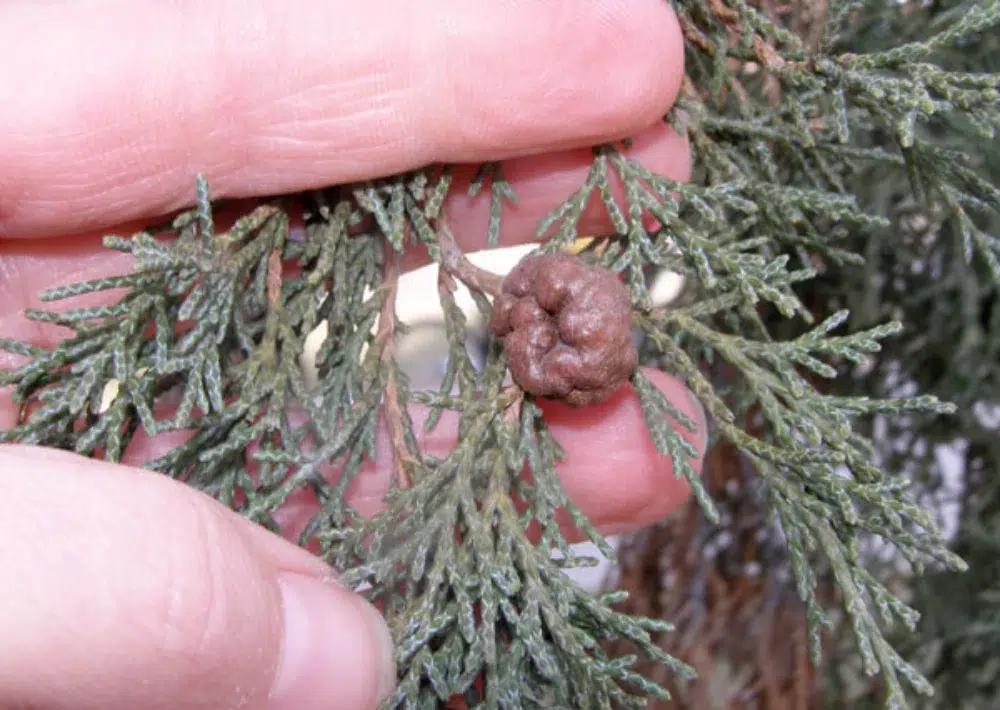
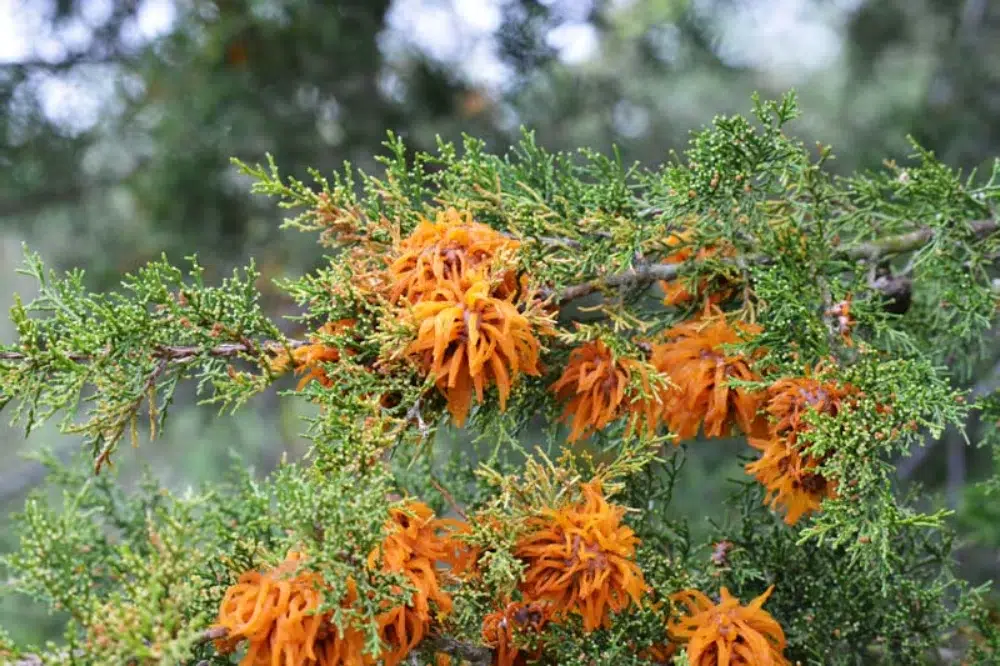

These orange structures are not the infection itself but rather the reproductive stage, releasing spores that can infect nearby apple-family trees. Cedar apple rust rarely causes serious harm to junipers, though heavy gall formation may slightly reduce vigor in young or stressed plants.
Signs on Apple and Crabapple Trees
Symptoms on apple-family hosts appear very different because the fungus infects living leaf tissue rather than forming woody structures.
Common symptoms include:
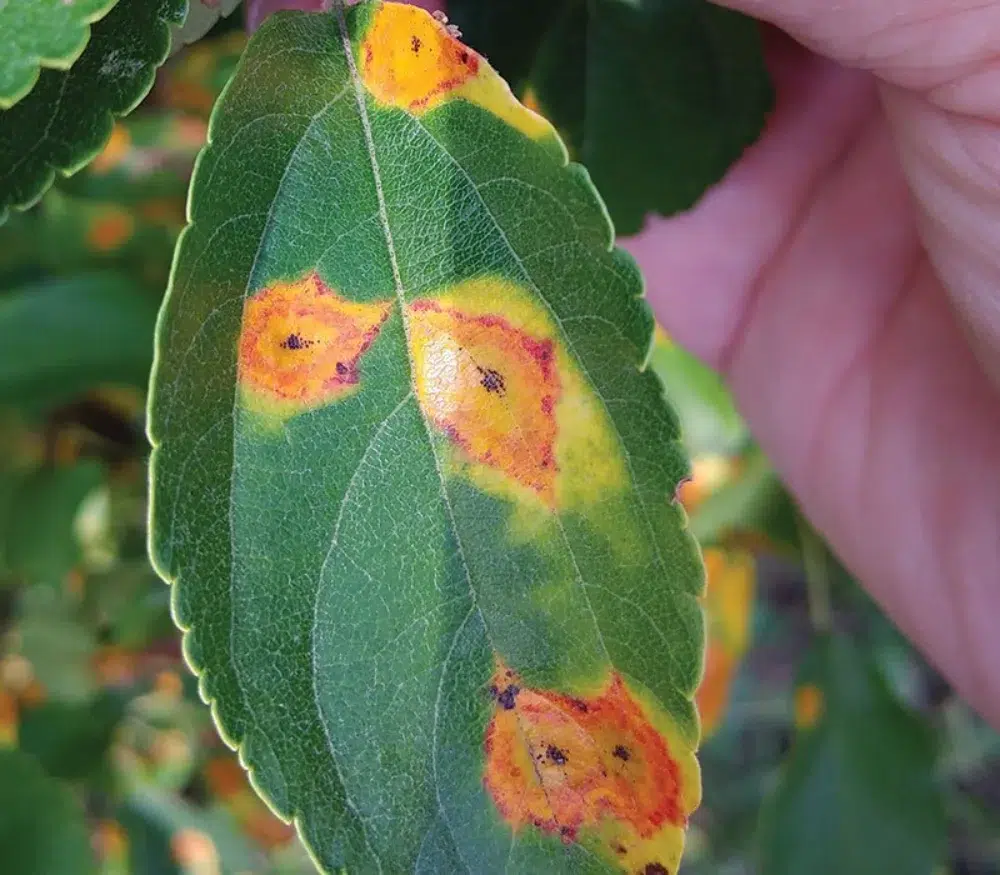
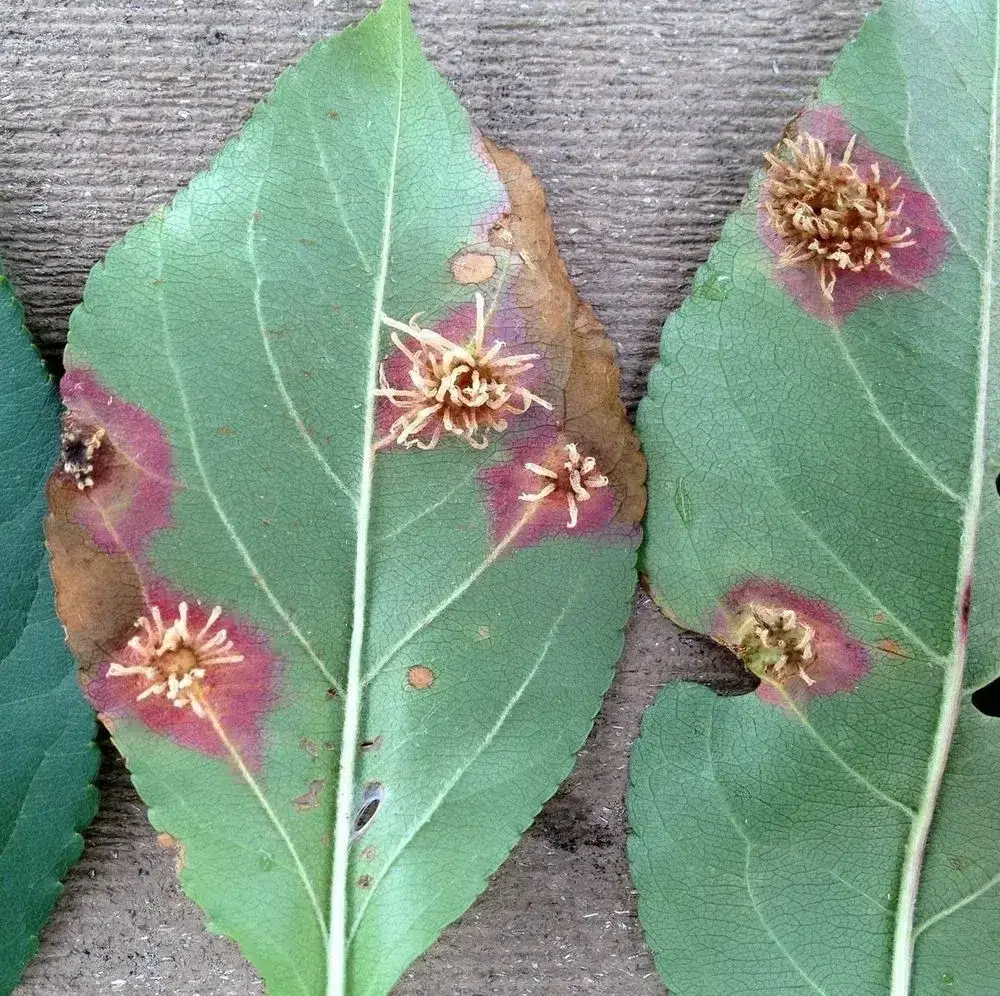
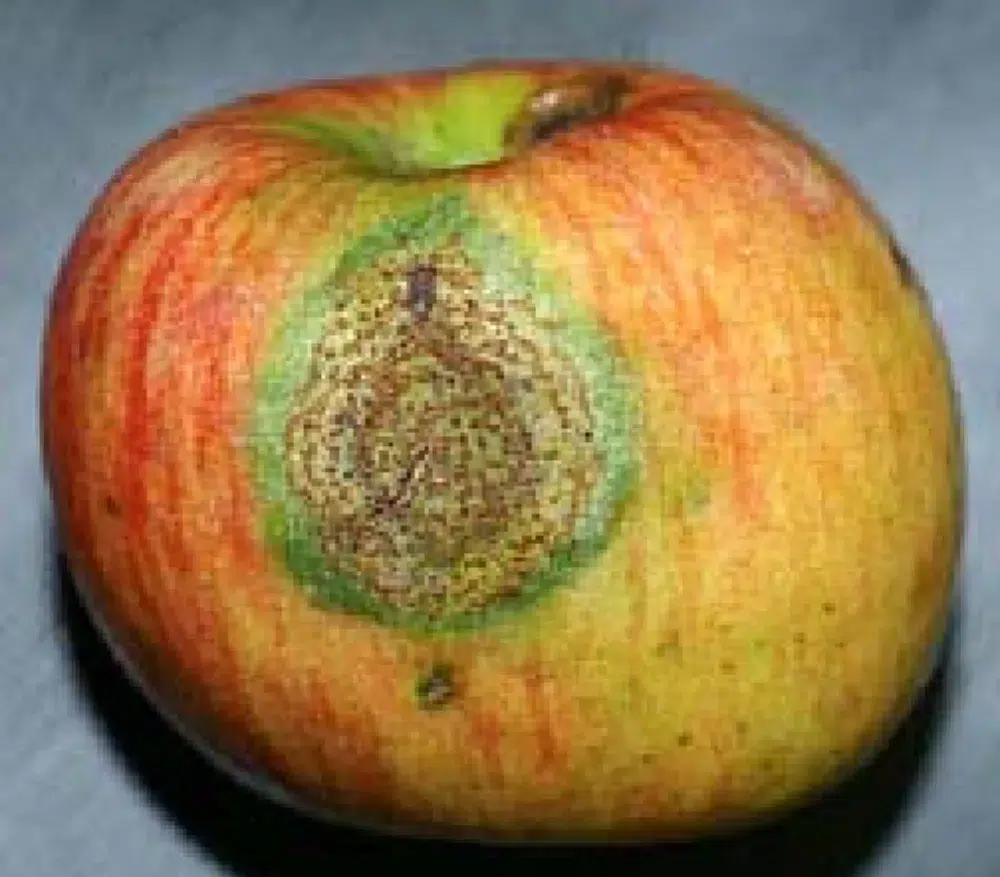
In some cases, lesions may also appear on fruit, causing cosmetic damage or deformities that reduce market quality. While cedar apple rust rarely kills mature fruit trees outright, repeated infections can significantly weaken their overall health over time.
What Cedar Apple Rust Could Be Confused With
The key reason confusion occurs is that many foliar diseases begin with non-specific symptoms. Without the more distinctive orange lesions associated with cedar apple rust, early-stage infections are easy to misidentify as other common fungal leaf diseases.
One common example is fire blight, a bacterial disease that affects many of the same host trees. Unlike cedar apple rust, fire blight causes blackened, scorched-looking shoots and wilting branches rather than bright orange leaf spots.
Anthracnose can also seem like a cause of symptoms, especially in the early stages, since it also produces spotting and premature leaf drop on affected foliage. In both cases, the damage may appear suddenly during the growing season and spread across parts of the canopy.
However, the presence of orange lesions or gelatinous growths is a clear indicator of a fungal rust disease rather than a bacterial infection.
Can You Treat Cedar Apple Rust in Trees?
Managing this disease is less about eliminating it completely and more about interrupting its lifecycle. Because the fungus depends on two hosts and specific seasonal conditions, effective control focuses on prevention, timing, and reducing opportunities for spores to move between trees.
Prevention Through Tree Care and Placement
The most reliable way to limit infections is to reduce the chances of spores reaching susceptible hosts in the first place. Since cedar apple rust cannot survive on a single species alone, managing proximity between host trees plays a major role.
Practical prevention steps include:
Distance matters. While spores can travel several kilometers under ideal wind conditions, infection risk drops significantly when host trees are not planted close together.
Fungicide Treatments and Timing
Chemical control can be effective, but success depends heavily on precise timing because fungicides protect new plant tissue rather than curing infections that have already developed. Cedar apple rust infects young leaves during a relatively short window in spring, which means treatments must be applied before or during this early growth stage.
Several types of fungicides are commonly used to manage the disease on apple-family trees:
Applications are usually most effective when:
- Timed to coincide with early leaf development
- Applied before cedar galls begin releasing spores
- Repeated according to label intervals during prolonged wet conditions
Once visible leaf lesions appear, treatment mainly helps prevent further spread rather than reversing existing damage, since the fungus has already established itself within infected tissue.
When to Call a Professional Arborist
Professional assessment becomes important when infections are widespread, recurring yearly, or affecting valuable fruit trees. Arborists can confirm diagnoses, develop treatment schedules, and evaluate long-term tree health risks.
In many cases, specialists also help distinguish cedar apple rust from other serious conditions such as Dutch Elm Disease or structural decline issues that may require more intensive intervention. Early expert guidance can prevent mismanagement and reduce long-term stress on affected trees.
Stop Cedar Apple Rust Before It Returns Next Spring
Once this disease establishes itself, it tends to come back year after year. Professional assessment and targeted treatment can protect both your ornamental and fruit trees.
Frequently Asked Questions
Here are common questions homeowners have when trying to identify tree problems:
In Short,
Cedar apple rust is a unique fungal disease defined by its unusual dependence on two host trees and seasonal environmental conditions. While it rarely causes severe damage to cedars, repeated infections can weaken apple-family trees over time if left unmanaged. Understanding how cedar apple rust develops, spreads, and can be controlled allows homeowners to take practical steps that protect both ornamental and fruit-bearing trees.