


Tree health problems often start subtly. A few wilted blossoms or a darkening shoot might seem harmless at first, but in some cases those early signs point to a disease capable of spreading quickly through an entire tree. Fire blight is one of the most destructive bacterial diseases affecting apple, pear, and ornamental trees across Canada. Understanding how it develops, what it looks like, and how to respond early can make the difference between saving a tree and losing it.
What Is Fire Blight Disease?
Fire blight is a bacterial disease that infects certain fruit and ornamental trees, causing blossoms, shoots, and branches to blacken and die. It is caused by the bacterium Erwinia amylovora, which spreads through blossoms, wounds, rain splash, and insects. Among the many types of tree diseases that affect Canadian landscapes, fire blight is notable for how quickly it can move through young growth during warm, humid weather.
The disease is widely present throughout southern Canada, especially in regions where apple and pear trees are commonly grown. Areas of Ontario, Quebec, and British Columbia see frequent outbreaks during springs that combine warm temperatures with rainfall. These conditions allow the bacteria responsible for fire blight to multiply rapidly and move between blossoms and new shoots.

Common Trees Affected by Fire Blight in Canada
Fire blight mainly targets trees in the rose family (Rosaceae), which includes many popular fruit and ornamental species. Some trees are particularly vulnerable because their flowers and young shoots provide easy entry points for the bacteria.
The trees most commonly affected in Canada include:
Trees planted in dense urban landscapes or humid backyard gardens may experience higher infection risk because moisture lingers longer on blossoms and leaves.
How It Develops and Spreads
Understanding how the disease spreads helps explain why it can move so quickly through a tree once infection begins. The bacteria responsible for fire blight rely on a combination of seasonal conditions, insects, and plant wounds to establish new infections.
Worried About Fire blight Spreading in Your Fruit Trees?
Early action can prevent recurring infections and long-term stress on your landscape. Our arborists can identify the source, treat affected trees, and help stop the cycle before it worsens.
How to Identify Fire Blight Disease in Your Trees
Correct identification is an important step in managing the disease because early action can prevent it from spreading to larger sections of a tree. While fire blight has some distinctive characteristics, symptoms often appear gradually and may first show up in blossoms or young shoots before spreading to branches.
Early Signs of Fire Blight
The first signs of infection usually appear shortly after trees bloom in spring. Blossoms that were healthy days earlier may suddenly wilt and darken as the bacteria begin moving through the tissue.
Early warning signs often include:
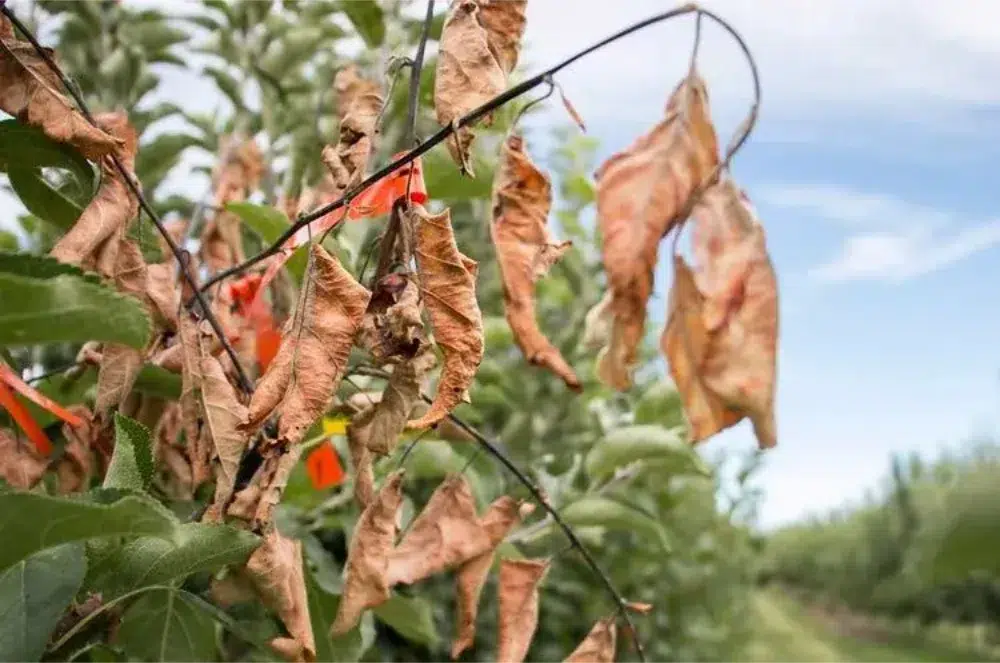
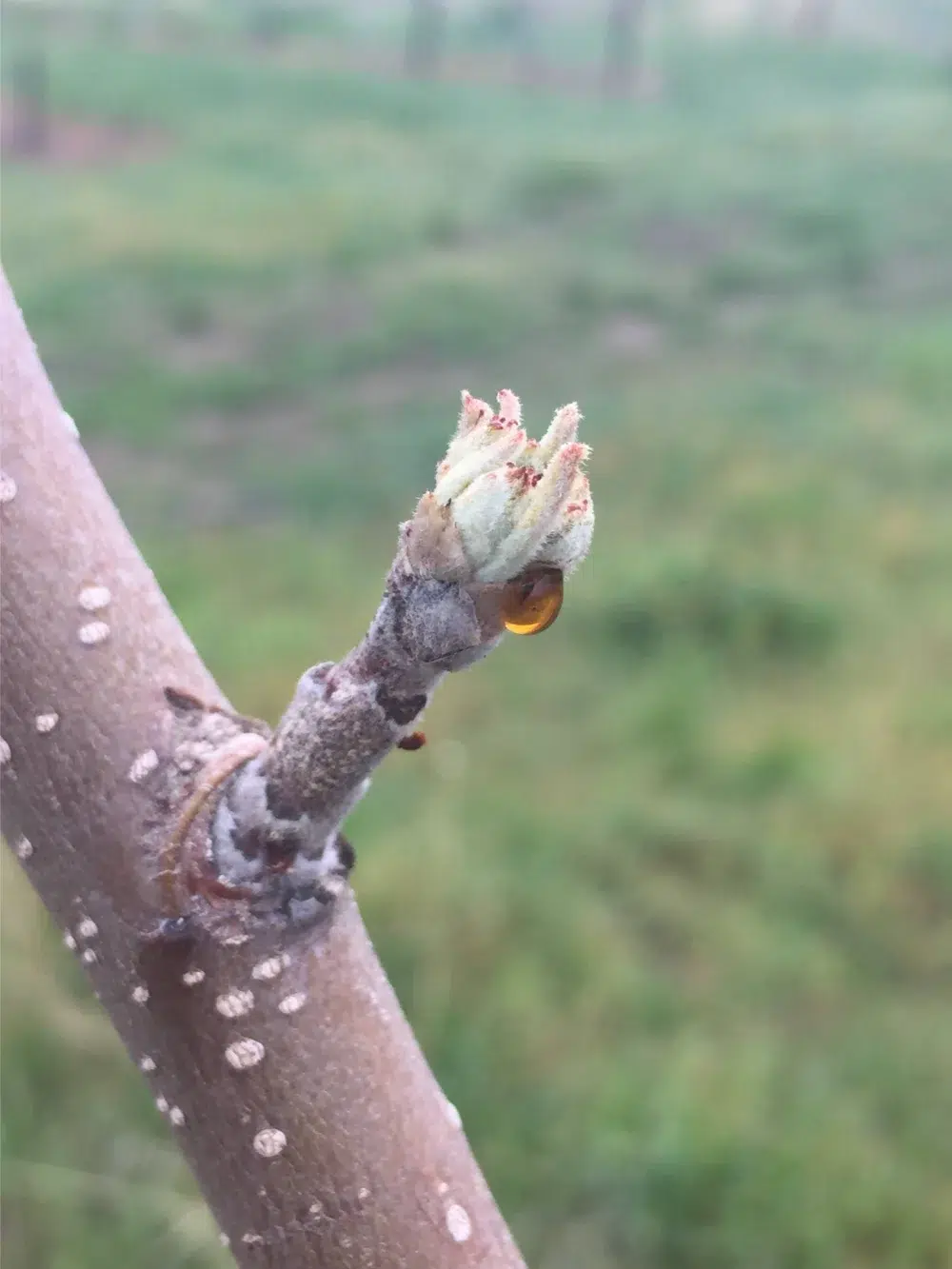
These symptoms tend to appear during warm, wet spring conditions, which allow the bacteria responsible for fire blight to spread easily between flowers.
Symptoms as the Disease Spreads
If the infection is not removed early, it begins moving into larger shoots and branches. Damage becomes easier to notice because the affected growth starts to die while remaining attached to the tree.
Common signs at this stage include:
At this stage, fireblight may affect multiple branches across the tree, especially if the bacteria entered through several blossoms earlier in the season.
Severe Signs of Fire Blight
In advanced cases, the infection spreads into larger limbs and sometimes the trunk. When this happens, the health of the entire tree can be at risk.
More serious signs may include:
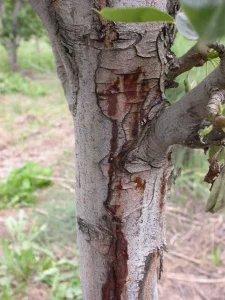
When fire blight reaches major limbs or trunk tissue, it becomes much harder to control and can eventually kill young trees.
What Fire Blight Can Be Confused With
Tree diseases can sometimes look similar at first glance, especially when leaves or branches begin to discolor or die back. Gardeners occasionally mistake early symptoms for environmental stress, fungal infections, or other plant problems.
Cold damage from late spring frost can sometimes resemble early fire blight symptoms because blossoms and new shoots may suddenly wilt or darken. However, frost damage usually appears evenly across exposed areas of the tree rather than spreading through branches over time.
Other tree health problems may affect similar species but produce very different symptoms. For example, cedar apple rust mainly causes orange or yellow leaf spots rather than shoot dieback, while bacterial leaf scorch gradually browns leaf edges as water movement in the tree becomes restricted.
Observing how quickly the damage spreads can provide an important clue. When symptoms move rapidly through young shoots and branches, the cause is more likely to be fire blight than environmental stress or slower-developing diseases.
How to Treat Fire Blight Disease in Trees
Managing the disease requires a combination of quick action and good long-term tree care. Because fire blight spreads through living tissue, treatment focuses on removing infected areas and reducing conditions that allow the bacteria to multiply and spread.
While it may not always be possible to eliminate the disease entirely, early intervention can significantly reduce damage and help protect the rest of the tree.
Pruning Infected Branches
Pruning is the most effective way to slow the spread once infection appears. Removing infected branches prevents Erwinia amylovora from moving deeper into the tree.
When pruning:
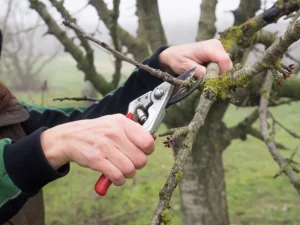
Pruning is usually most effective when done during dry weather, since moisture can help spread the bacteria to fresh wounds.
Preventive Tree Care Practices
Preventing infection is often easier than treating it after it spreads. Healthy trees are better able to tolerate minor infections and recover from pruning.
Some helpful practices include:
These steps cannot completely eliminate the risk of fire blight, but they can make trees less vulnerable during high-risk spring conditions.
When to Call a Professional Arborist
In some situations, professional help is the safest option. Large trees, severe infections, or disease that appears near the trunk may require specialized pruning or treatment.
Professional arborists may use additional management strategies such as targeted pruning, monitoring for overwintering cankers, or protective treatments during high-risk bloom periods. These approaches can help limit the spread of fire blight in valuable landscape or orchard trees.
Save Infected Trees Before the Damage Spreads
Fire blight can move quickly through blossoms and young shoots during warm spring weather. Professional pruning and preventative care can protect vulnerable trees and limit future outbreaks.
Frequently Asked Questions
Here are common questions homeowners have when trying to identify tree problems:
In Short,
Fire blight is a fast-moving bacterial disease that can cause serious damage to fruit and ornamental trees if it is not caught early. Recognizing the warning signs, pruning infected branches promptly, and maintaining good tree health are the best ways to limit the spread of fire blight. With careful monitoring and proper care, many trees can continue to grow and recover even after an infection.


