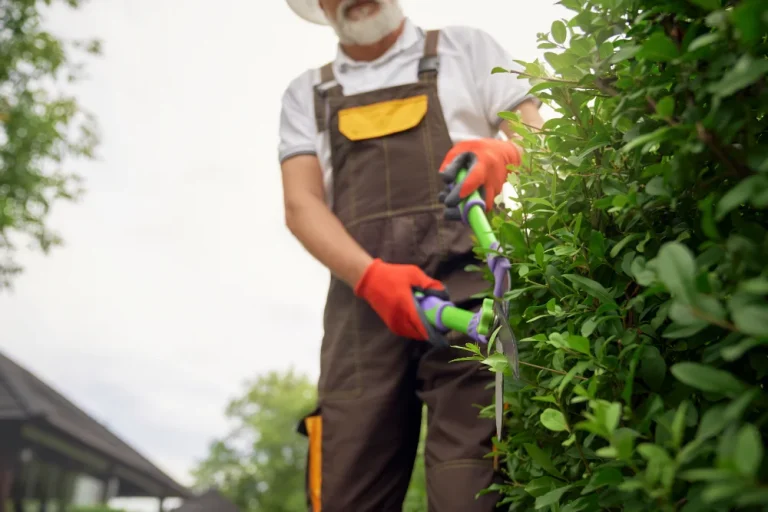
Imagine stepping into your backyard and seeing your fruit trees heavy with lush, ripe fruit—each branch perfectly balanced, thriving, and full of life. That’s the magic of pruning fruit trees done right. By carefully trimming away dead or overcrowded branches, you’re not just shaping your tree, you’re guiding its energy toward producing bigger, healthier, and tastier fruit.
Whether you’re a first-time gardener or someone looking to refine your skills, mastering pruning fruit trees will transform your harvest. Stick around, and we’ll walk you through the best techniques, timing, and tools to help your trees reach their full potential!
Understanding Pruning Basics
Pruning fruit trees is vital for maintaining tree health and maximizing fruit production. By learning the objectives, necessary tools, types of cuts, and techniques involved, you can ensure healthier growth and enhance your tree’s productivity.
Pruning Objectives
The main goals of pruning fruit trees is to enhance their health, productivity, and longevity. By removing dead, diseased, or damaged branches, you prevent the spread of pests and diseases while encouraging stronger growth. Pruning fruit trees also improves sunlight exposure and airflow, ensuring better fruit quality and supporting the tree’s overall vigor.
Pruning Tools
Having the right tools makes pruning fruit trees easier, safer, and more effective. Using well-maintained, sharp tools ensures clean cuts that promote faster healing and healthier growth.
Essential Pruning Tools:
- Hand Pruners: Best for cutting small branches and twigs with precision.
- Loppers: Ideal for thicker branches, providing extra leverage for a cleaner cut.
- Pruning Saw: Designed for cutting tough, woody branches too thick for loppers.
- Pole Saw: Helps reach high branches without needing a ladder.
- Tarp: Useful for collecting trimmed branches and keeping the workspace clean.
- Gloves & Safety Gear: Protects hands from sharp branches and rough bark.

Types of Pruning Cuts for The Tree
Pruning fruit trees involves specific cutting techniques that shape the tree, encourage healthy growth, and maximize fruit production. Understanding the right type of cut ensures your tree remains well-balanced and productive.
Key Pruning Cuts:
Training System (Take it in Consideration!)
Training your fruit tree from a young age ensures a strong structure, balanced growth, and optimal fruit production. The three main training systems—Central Leader, Modified Central Leader, and Open Center—each serve different tree types and growing conditions.
1. Central Leader Form
The central leader system features a single dominant trunk with evenly spaced lateral branches growing outward. This structure is commonly used for apples and pears, as it promotes strong branch attachment and allows even sunlight distribution throughout the tree. It encourages vertical growth, making it ideal for orchards where space efficiency is important.
2. Modified Central Leader Form
This system begins with a central leader but gradually transitions into multiple main branches as the tree matures. It is commonly used for nut trees and certain fruit trees like peaches and plums, as it offers a balance between height control and natural growth. The modified central leader form provides both stability and increased light penetration while maintaining a more manageable tree size.
3. Open Center Form
Unlike the other systems, the open center form does not have a central leader, creating a vase-like shape with several strong scaffold branches. This method is best for fruit trees such as peaches, plums, and cherries, as it maximizes sunlight exposure to all parts of the tree. With a lower, more open structure, it also makes pruning and harvesting easier while reducing the risk of disease by improving airflow.
Pruning Techniques
Pruning fruit trees involves different techniques, each serving a unique purpose, rejuvenation pruning revitalizes older trees, crown reduction controls size while maintaining shape, and selective pruning removes only necessary branches to improve health and productivity. Choosing the right method depends on your tree’s age, species, and growth goals. If you want to learn more, we’ve dedicated a full blog post about tree pruning techniques.
When to Prune Fruit Trees
Pruning fruit trees is essential for enhancing fruit production and maintaining tree health. Understanding the optimal timing and techniques for different stages of a tree’s life can significantly impact growth and yields.
Best Time for Pruning
Timing is crucial for successful pruning. The best period to prune fruit trees is during their dormant season, usually in late winter to early spring. This window allows you to remove dead or diseased limbs, improving air circulation and sunlight exposure. Winter pruning can help boost growth in the spring and shape the tree before new growth begins. Check out this guide to learn more about the seasonal considerations of tree pruning.
Pruning Young Trees
Formative pruning of young trees sets the foundation for their future structure. Begin this process during the first few years after planting. In the early spring, focus on establishing a strong central leader and balanced branch distribution. This early intervention will help prevent crowding and structural weaknesses in later years. Summer pruning is also beneficial for correcting the tree’s shape once it starts to actively grow. For guidance on how to prune young trees, this article is helpful.
Pruning Mature Trees
For mature trees, maintenance pruning is key. Conduct winter pruning to remove any dead, damaged, or diseased branches. This not only maintains the tree’s health but also encourages better fruit production. Rejuvenation pruning may be required every few years to refresh the tree’s vigour and productivity. Remove any excess or competing branches to promote a strong fruiting framework. This process is particularly important for trees that have shown signs of reduced yield.
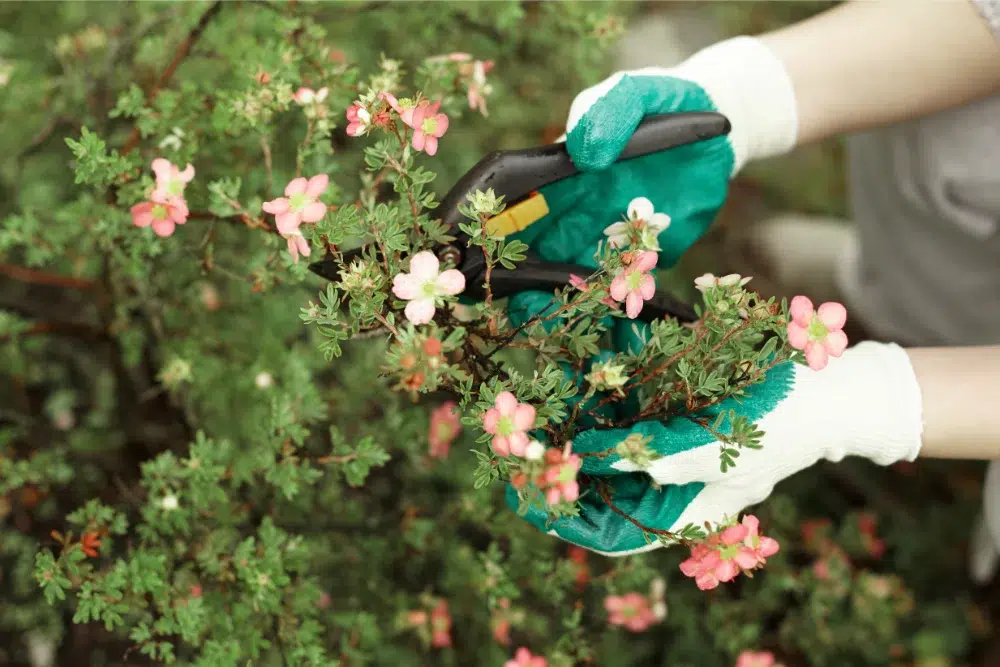
How to Prune Fruit Trees in 9 Steps
Tree pruning is essential for fruit trees to maintain their health and boost their productivity. By understanding the correct timing, using the right tools, and implementing effective techniques, you can enhance your fruit tree’s growth and fruit production.
1. Gather Your Tools
Proper tools make pruning efficient and safe. Invest in sharp bypass pruners for smaller branches and loppers or a pruning saw for thicker, mature branches. Ensure your tools are clean and sharpened to prevent disease transmission. A sturdy ladder may be necessary for higher branches, and wearing gloves can protect your hands from thorns or rough bark.
2. Inspect the Tree
Before making any cuts, thoroughly examine your fruit tree. Look for signs of disease, pest infestation, and growth patterns. Identify branches that cross or rub against each other, as these should be priorities for removal. By observing the tree’s natural shape, you can make informed decisions that respect its natural growth pattern while enhancing airflow and light penetration.
3. Remove Dead, Diseased, or Damaged Wood
Removing unhealthy wood is critical to reducing disease spread and encouraging healthy growth. Use your pruning tools to cut away any wood that appears dead, diseased, or damaged. Make cuts at the base of the affected area, ensuring you remove the entire infected section. This helps the tree redistribute its energy to healthy areas, promoting vigorous growth.
Need Pruning Fruit Trees!
Expert pruning keeps your trees healthy, safe, and looking their best. Let our professionals handle the job, click to get a free quote today!
4. Cut Off Suckers and Water Sprouts
Suckers and water sprouts divert valuable energy from the tree without contributing to its strength or fruit production. Suckers grow from the tree’s base, while water sprouts emerge from branches that are older or larger. Promptly prune these vigorous, unwanted growths to improve the tree’s overall structure and prioritize energy towards fruit-bearing branches.
5. Thin Out Overcrowded Branches
Dense branches can block light and airflow, creating a breeding ground for pests and diseases. Identify and remove excess branches, focusing on those growing inward or that cross others. This brightens the canopy, facilitating better fruit development. Thin out the centre of the tree to prevent overcrowding, enhancing sunlight and air circulation for a healthier tree.
6. Shape the Tree
Shaping helps maintain the tree’s size and aesthetic appeal. Start by identifying the central leader or main trunk, then focus on creating a balanced structure with evenly spaced branches. Aim for a vase or open centre structure, especially for trees like peaches and plums. This structure enhances light penetration and airflow, promoting even growth and robust fruit production.
7. Shorten Long Branches
Long branches can become brittle and snap under the weight of fruit, risking damage to the overall tree structure. Cut back lengthy branches by a third or a quarter to strengthen them. Make cuts just above a budding node so new growth is directed outward.
8. Preserve Fruiting Spurs
Fruiting spurs are crucial as they develop into fruit-producing flowers. Be cautious not to remove too many during pruning. Thin some newer spurs to balance future fruit yields while ensuring enough old and reliable spurs remain. Pruning too aggressively might reduce fruit production for a season, so aim to maintain a measured proportion of these spurs on the tree.
9. Clean Up and Dispose of Cuttings
After pruning fruit trees, it’s important to clean up all cuttings to prevent pests and diseases from thriving. Gather and dispose of cuttings in a compost pile away from the garden or burn them if disease is present. This step prevents any potential contamination in your garden. A tidy area, free of debris, helps maintain tree health, encouraging a vigorous growing season.
Frequently Asked Questions
Effective pruning can significantly enhance the health and productivity of fruit trees. It can help manage tree size, promote new growth, and prevent diseases.
When is the optimal time to prune fruit trees?
The best time for pruning is during late winter or early spring while trees are still dormant. This helps minimize stress and promotes vigorous growth in the coming season.
Can I prune fruit trees during winter months?
Yes, winter months are suitable for pruning, as trees are dormant. Pruning during this period limits sap loss and reduces the risk of disease.
What are the techniques for pruning fruit trees to manage height?
To manage height, focus on heading cuts that reduce size and encourage lateral growth. Thinning cuts help open up the canopy for better light penetration.
Are there any specific considerations for pruning young fruit trees?
For young trees, concentrate on establishing a strong structure. Remove damaged limbs and choose 3-5 scaffold branches to enhance the tree’s framework.
How do I avoid common mistakes when pruning fruit trees?
Common mistakes include over-pruning and using dirty tools. Limit canopy removal to 20-30% to prevent stress and use clean tools to avoid spreading disease.
What are the differences between pruning fruit trees in summer and in fall?
Summer pruning helps control size and remove new growth but can limit fruiting. Fall pruning should be avoided, as it can reduce winter hardiness.
Conclusion
Just like shaping a tree for a bountiful harvest, the right pruning techniques ensure its long-term health and productivity. Removing weak or overcrowded branches allows sunlight to reach every leaf, strengthening its structure and boosting fruit quality. Imagine stepping into your garden, year after year, to see your trees thriving and heavy with fruit, all because of a few well-placed cuts.
If you want expert hands to shape your trees for success, let us handle the job for you and book our pruning service today!
Need Pruning Fruit Trees!
Expert pruning keeps your trees healthy, safe, and looking their best. Let our professionals handle the job, click to get a free quote today!