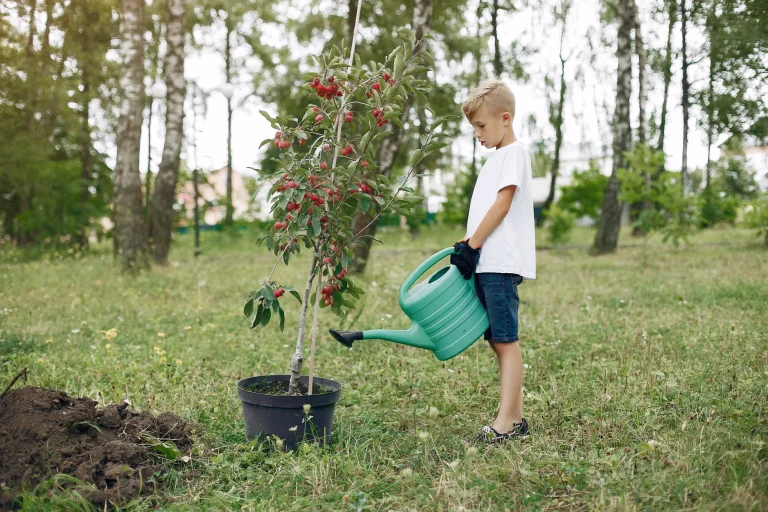
Imagine walking through a yard filled with lush, vibrant trees, their leaves glowing in the sunlight and branches stretching strong. The secret behind this thriving landscape isn’t just good soil or regular watering, it’s tree fertilization. By supplying essential nutrients, tree fertilization strengthens roots, boosts growth, and helps trees resist disease and environmental stress. In this guide, we’ll explore practical fertilization methods, their benefits, and complementary tree care practices, giving homeowners and arborists the tools to help trees flourish year after year.
What Is Tree Fertilization?
Tree fertilization is the practice of supplying essential nutrients to trees to support their growth, health, and resilience. Just like people need vitamins and minerals to stay strong, trees rely on nutrients such as nitrogen, phosphorus, potassium, and trace elements to perform vital functions. Without adequate nutrients, trees may exhibit slow growth, yellowing leaves, weak roots, or reduced flowering and fruiting.

What can Fertilization do for my trees?
In the broader context of tree health, fertilization plays a critical role alongside proper watering, pruning, soil care, and pest management. It ensures that trees can develop strong root systems, maintain vibrant foliage, and resist stress from drought, pests, and disease. Essentially, tree fertilization is a key pillar of proactive tree care, supporting everything from day-to-day growth to long-term stability.
Enhance Growth
Fertilized trees develop stronger branches, deeper roots, and more robust foliage. Nutrient-rich soil encourages consistent growth.
Disease Resistance
Proper fertilization strengthens a tree’s natural defenses, reducing susceptibility to pests, fungi, and other common threats.
Aesthetic Appeal
Trees that receive fertilization tend to have fuller canopies and vibrant leaves. This improves the look of yards, parks, ect..
Longevity
Consistent nutrient support helps trees live longer by maintaining structural stability and productivity.
When To Use tree fertilizer (& When Not To)
Not all trees require regular fertilization, and its effectiveness depends on the tree’s age, species, and growing conditions. Before applying any fertilizer, conducting a tree health assessment is recommended. This helps determine the specific nutrients your tree needs and prevents over- or under-fertilization.
Tree fertilization is most beneficial in the following situations:
Use On…
Avoid When…
In short, fertilization is a tool, not a cure-all. It works best when guided by soil testing and a broader tree care plan, not as a default “fix” for every issue.
Not sure what your trees need? Book a soil and tree health evaluation
From soil-testing to deep root fertilization, our team can help your trees thrive. Contact us today and discover simple ways to protect your property’s most valuable natural assets.
What To Know Before Fertilizing Trees
Before choosing a fertilization method, it’s important to understand that not all trees require the same approach. Two major factors, species and timing, play a big role in whether fertilization is effective or unnecessary:
Species-Specific Needs
Different tree species have different nutrient demands. For example, many native hardwoods like oak or maple are naturally adapted to local soils and often need little to no fertilization once established. On the other hand, fruit trees and ornamental species typically demand more nutrients to support flowering, fruit production, and vibrant foliage.
Knowing your tree type helps determine if regular fertilization will actually make a difference or if the tree can thrive without it.
Tree Fertilization by Species Type
| Tree Type | Fertilization Need | Why It Matters | Best Practice |
|---|---|---|---|
| Native Hardwoods (e.g., oak, maple, birch) | Low once established | Adapted to local soils, naturally resilient | Fertilize only if growth is poor or soil test shows deficiencies |
| Evergreens (e.g., pine, spruce, cedar) | Moderate | Need steady nutrients for year-round foliage | Light applications in spring and fall help maintain color and density |
| Fruit Trees (e.g., apple, pear, cherry) | High | Require extra nutrients for fruit and flower production | Annual fertilization supports strong yields and healthy blooms |
| Ornamental Trees (e.g., dogwood, magnolia, Japanese maple) | Moderate to High | Nutrients enhance vibrant foliage and flowers | Fertilize regularly during active growth for best results |
| Urban/Street Trees | Moderate to High | Often planted in compacted or nutrient-poor soils | Deep-root fertilization helps offset harsh growing conditions |
Timing
Fertilization is most effective during active growth cycles, usually in early spring as trees push out new leaves and in late fall when roots are storing energy for winter.
Fertilizing in the middle of summer droughts or deep winter dormancy won’t benefit the tree, and in some cases, it can even cause stress. Applying nutrients in sync with the tree’s natural rhythms ensures maximum absorption and growth support.

Types of Tree Fertilizers
Before choosing how to fertilize, it’s important to understand the main types of fertilizers available. Each type offers unique benefits, and selecting the right one ensures your tree gets exactly what it needs.
Tree Fertilization Methods
Not all tree fertilization is the same, each method influences how efficiently nutrients move into the soil, how quickly trees can absorb them, and whether the treatment corrects a mild nutrient deficiency or supports trees under serious stress.
Selecting the right method ensures your trees receive the proper balance of care, rather than wasting fertilizer on approaches that don’t match their needs.
1. Soil Fertilization
Soil fertilization involves spreading granulated fertilizer around the base of the tree, usually near the “drip line“, where roots can access the nutrients.
Steps:
- Perform a soil test to check for deficiencies.
- Select the right fertilizer blend (balanced, nitrogen-rich, or specialty).
- Apply evenly around the drip line, avoiding direct contact with the trunk.
- Water thoroughly to activate nutrient absorption.

When to Use:
2. Foliar Fertilization
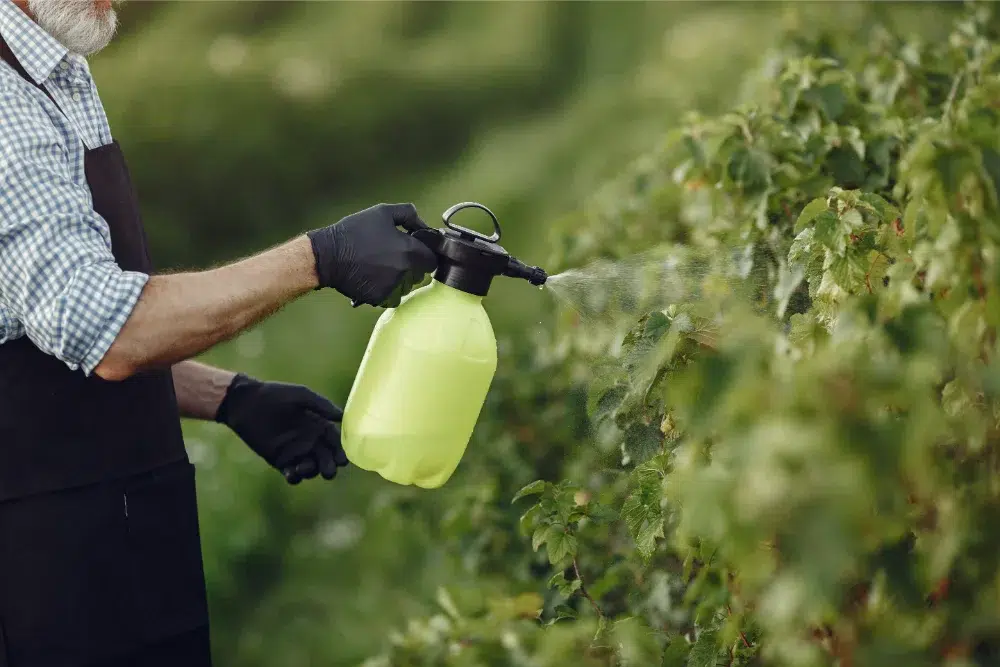
Foliar fertilization means spraying a liquid fertilizer directly on the leaves, allowing nutrients to be absorbed quickly through the foliage. This provides an almost immediate effect.
Steps:
- Mix liquid fertilizer according to manufacturer instructions.
- Apply using a sprayer during early morning or evening to avoid leaf burn.
- Cover leaves thoroughly, especially undersides where absorption is strongest.
- Repeat as needed, usually every 2–4 weeks depending on severity.
When to Use:
3. Deep Root Fertilization
Deep root fertilization involves injecting liquid fertilizer directly into the soil at a depth of 8–12 inches, targeting the root zone where absorption is most effective.
Steps:
- Use a soil auger or injection probe to access the root zone.
- Inject liquid fertilizer evenly around the drip line in multiple spots.
- Space injections 2–3 feet apart for thorough coverage.
- Monitor the tree over the next season for signs of recovery and growth.

When to Use:
Ensure your trees get the nutrients they need. contact us for expert fertilization services.
From soil-testing to deep root fertilization, our team can help your trees thrive. Contact us today and discover simple ways to protect your property’s most valuable natural assets.
Common Mistakes (& What to do Instead)
Improper fertilization can harm trees rather than help them. Recognizing common mistakes, and knowing how to avoid them, ensures that your efforts improve tree health instead of creating new problems.
| Mistake | What Can Happen | How to Avoid It | What to Do If It Happens |
|---|---|---|---|
| Over-Fertilization | Burns roots, damages leaves, and triggers unnatural growth spurts that weaken structure. | Follow label rates carefully. Apply smaller, consistent amounts instead of large, infrequent doses. | Water the area deeply to flush excess fertilizer from the soil; hold off on further applications until the tree recovers. |
| Wrong Fertilizer Choice | Using a one-size-fits-all mix can cause deficiencies or even nutrient toxicity. | Match fertilizer to the tree species and soil needs; do a leaf or soil test first. | Stop using the product immediately; consult an arborist for soil amendments to rebalance nutrients. |
| Skipping Soil Testing | Fertilizing blindly wastes money and may stress or harm the tree unnecessarily. | Get a professional soil test every few years to guide nutrient application. | Schedule a soil test as soon as possible; adjust future applications based on results. |
When fertilization is done correctly, it strengthens trees and supports their long-term health. But when uncertainty sets in, whether it’s about choosing the right product, identifying deficiencies, or applying advanced methods like deep root fertilization, it may be time to call in an expert.
Our Approach to Tree Fertilization
At SpinBlade, we take a careful and professional approach to our tree fertilization services, ensuring that each tree receives the right nutrients in the right way for lasting health and resilience.
Our Methods
Certified Arborists: Our fertilization services are carried out by certified arborists trained to recognize nutrient imbalances, apply treatments safely, and prevent over-fertilization.
Commitment to Safety, Health, and Long-Term Value:
We prioritize the long-term health of your trees, safeguarding your property, enhancing aesthetic appeal, and maintaining ecological benefits. By combining expert techniques with a focus on sustainability, we protect both your trees and your investment.
Learn more about our professional tree care services.
Supporting Tree Health Beyond Fertilization
While tree fertilization is an effective way to boost growth and correct nutrient deficiencies, it’s only part of the picture. Healthy trees thrive when fertilization is paired with good overall tree care practices that protect roots, maintain soil health, and prevent avoidable stress.
Tree Mulching for Root Protection:
Tree Mulching helps regulate soil temperature, conserve moisture, and reduce competition from weeds, all of which make fertilizer more effective.
For best results, apply a 2–4 inch layer of mulch around the drip line, keeping it a few inches away from the trunk to prevent rot.
Watering and Irrigation Practices
Consistent watering supports nutrient uptake, especially during hot summers or dry spells.
Deep, infrequent watering is usually more effective than frequent shallow watering, as it encourages roots to grow deeper and stronger.
Pruning and Structural Care
Tree pruning removes dead, diseased, or overcrowded branches, ensuring that the nutrients supplied by fertilization are directed toward healthy growth.
Regular pruning also improves airflow through the canopy, reducing the risk of fungal disease.
Seasonal Tree Care Tips
Different seasons call for different approaches to care.
For example, fertilization and mulching are best done in spring or fall, while pruning should generally be done in late winter when trees are dormant.
By pairing fertilization with proper watering, pruning, mulching, and seasonal tree care tips, you create the balanced conditions trees need to thrive long-term.
FAQ: Tree Fertilization
Here are answers to common questions about tree fertilization that aren’t fully addressed in the main text:
In Short,
Tree fertilization is a critical component of maintaining strong, healthy, and resilient trees. By understanding the different fertilization methods, applying them at the right time, and combining them with supportive practices, you can promote growth, enhance disease resistance, and ensure long-term vitality. A structured, informed approach to tree fertilization allows homeowners and arborists alike to protect and improve the natural beauty and environmental benefits of their trees.
Ensure your trees get the nutrients they need. contact us for expert fertilization services.
From soil-testing to deep root fertilization, our team can help your trees thrive. Contact us today and discover simple ways to protect your property’s most valuable natural assets.